SpaceX Reports Record Revenue but Shocks Investors With $16 Billion AI Spending Bill
The rocket company beat earnings expectations by a wide margin, then watched its share price drop 10 percent after revealing it spent nearly $16 billion on AI infrastructure in a single quarter.

Key points
- SpaceX posted quarterly revenue of $7.8 billion in its debut earnings report, well above the $6.82 billion analysts expected.
- The company recorded a net loss of roughly $541 million, far smaller than the $2.12 billion loss Wall Street had forecast.
- Capital expenditure (the money a company spends building physical assets) on AI reached nearly $16 billion, double the previous quarter.
- SpaceX shares fell 10 percent in early trading after the report landed.
- The company warned that spending at this level will continue for at least two more quarters.
SpaceX beat the market on almost every number that usually makes investors cheer. Revenue hit $7.8 billion, up 92 percent from a year earlier. Its net loss came in at around $541 million, a fraction of the $2.12 billion analysts had braced for.
Shares fell anyway.
What spooked investors?
One line did the damage: capital expenditure on AI hit nearly $16 billion. That was double what SpaceX spent the quarter before, and well above anything Wall Street had pencilled in. SpaceX said costs at this level will continue for at least two more quarters.
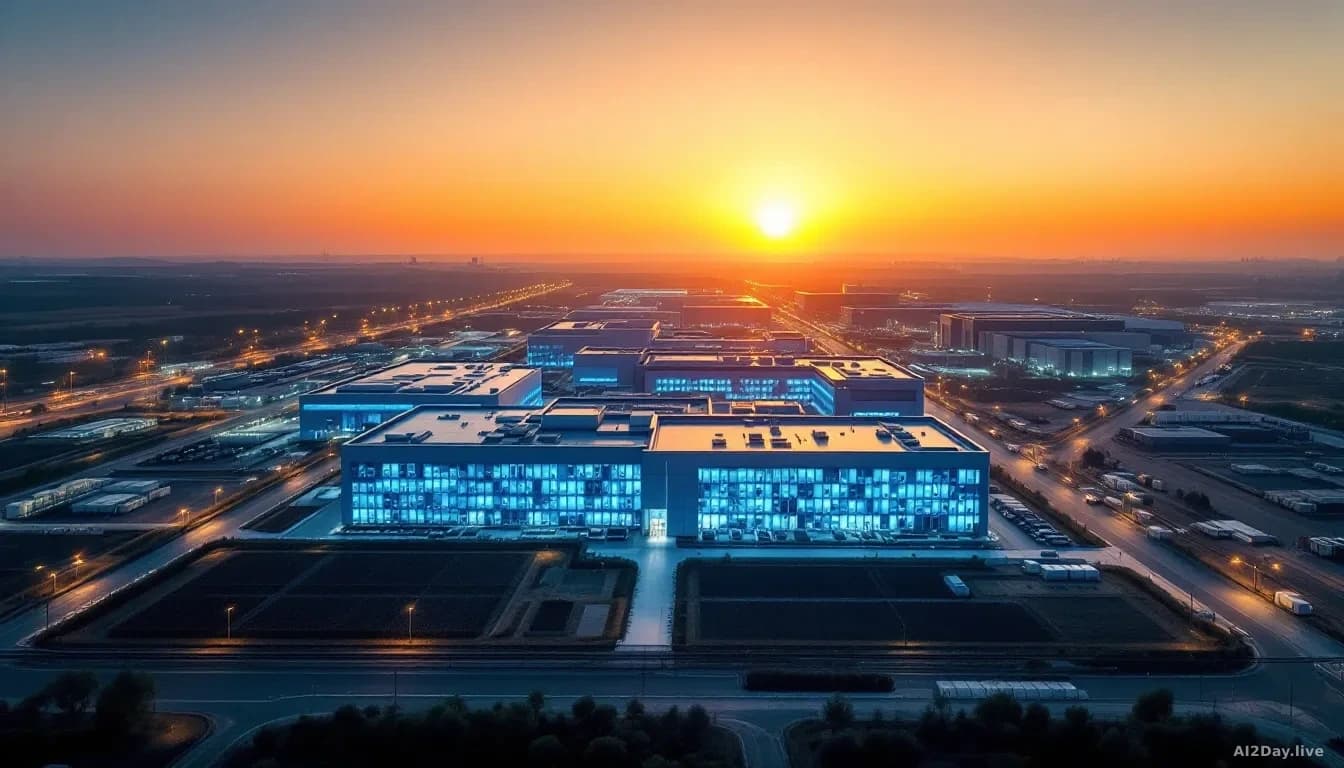
Investors can absorb losses when a company is growing fast. What makes them nervous is an open-ended commitment to vast spending with no visible ceiling. SpaceX is pushing to position itself as a supplier of AI data centres, the warehouse-scale facilities packed with specialist chips that train large AI systems. Building that infrastructure from scratch is extraordinarily expensive, as we noted on 4 August when we reported that SpaceX's AI division had tripled its revenue to $2.6 billion yet still lost $1.5 billion.
What does this mean for ordinary people?
For most people the direct effect is minimal. SpaceX is a private company, its shares trade on private markets rather than a public exchange, so ordinary retail investors can't easily buy or sell its stock.
The wider picture is harder to ignore. Communities near planned data centres face real questions about electricity demand and land use. Consumers who rely on cloud-based services may eventually feel pricing ripple through from infrastructure costs at this scale. The Tuesday report was SpaceX's first-ever public earnings release, giving outsiders their first detailed look at the business's finances.
What happens next?
Heavy AI spending looks like deliberate strategy rather than a one-off. SpaceX appears to be betting that demand for AI computing capacity will stay strong enough to justify a data centre business running alongside its rocket and satellite operations.
My read: the revenue growth is real and the loss is better than feared, but the spending commitment is genuinely open-ended and management offered no hard target for when it stabilises. Watch whether customers materialise fast enough to justify the next two quarters of outlay, and watch the power supply picture closely. Our 31 July story found that SpaceX's AI data centres near Memphis are running 69 unpermitted gas turbines, with removal not expected until mid-2027. Infrastructure at this pace carries costs that don't always show up in the earnings column.