Nvidia's RTX Spark Chip Powers the First Wave of AI-Focused Laptops and Mini PCs
New machines from Lenovo, Acer, Asus and others promise enough power to run AI entirely on your own hardware, no internet connection required. Prices will be steep.
Key points
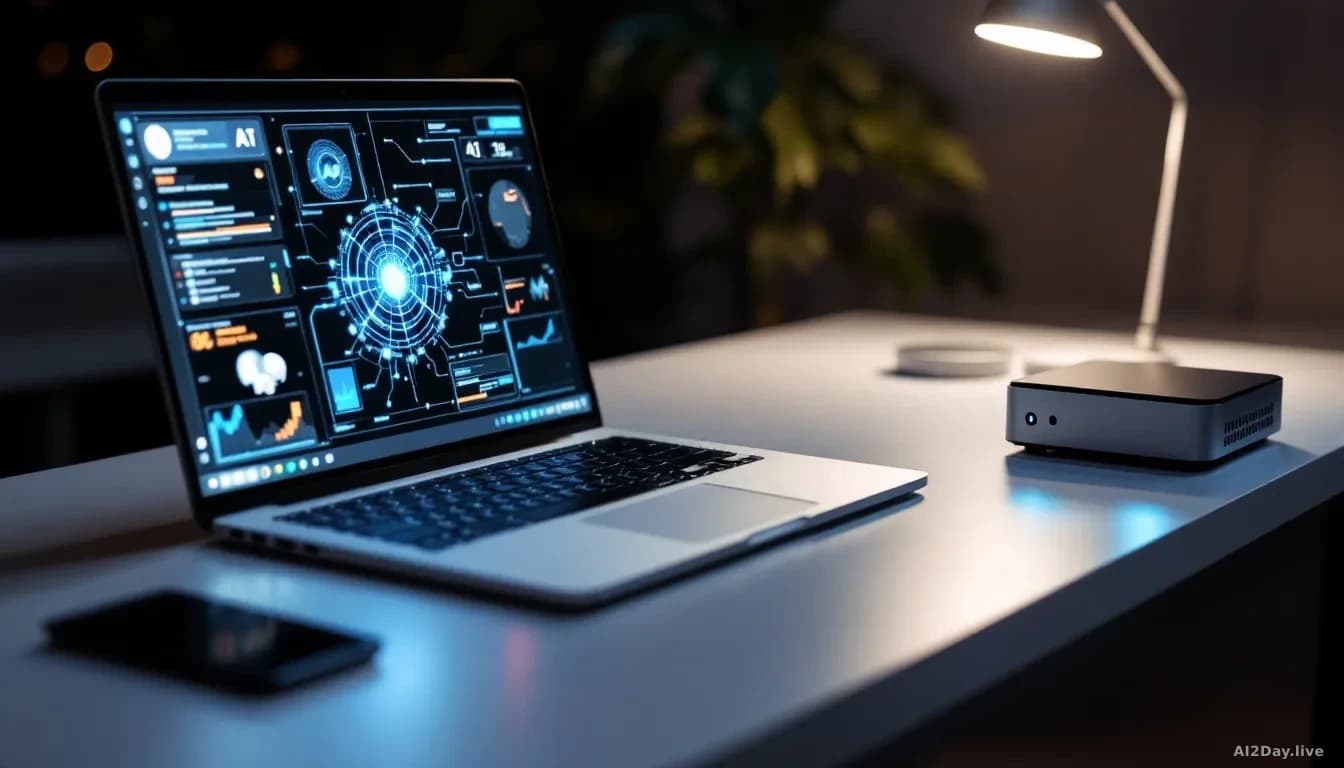
- Lenovo unveiled the Yoga 9n 2-in-1, a 16-inch laptop built around Nvidia's RTX Spark chip, at the IFA 2026 tech show in Berlin.
- The RTX Spark chip combines a CPU and GPU into one package, similar to the approach Apple uses in its Mac computers.
- The Yoga 9n 2-in-1 tops out at 64 GB of memory; the related Yoga Pro 9n reaches 128 GB.
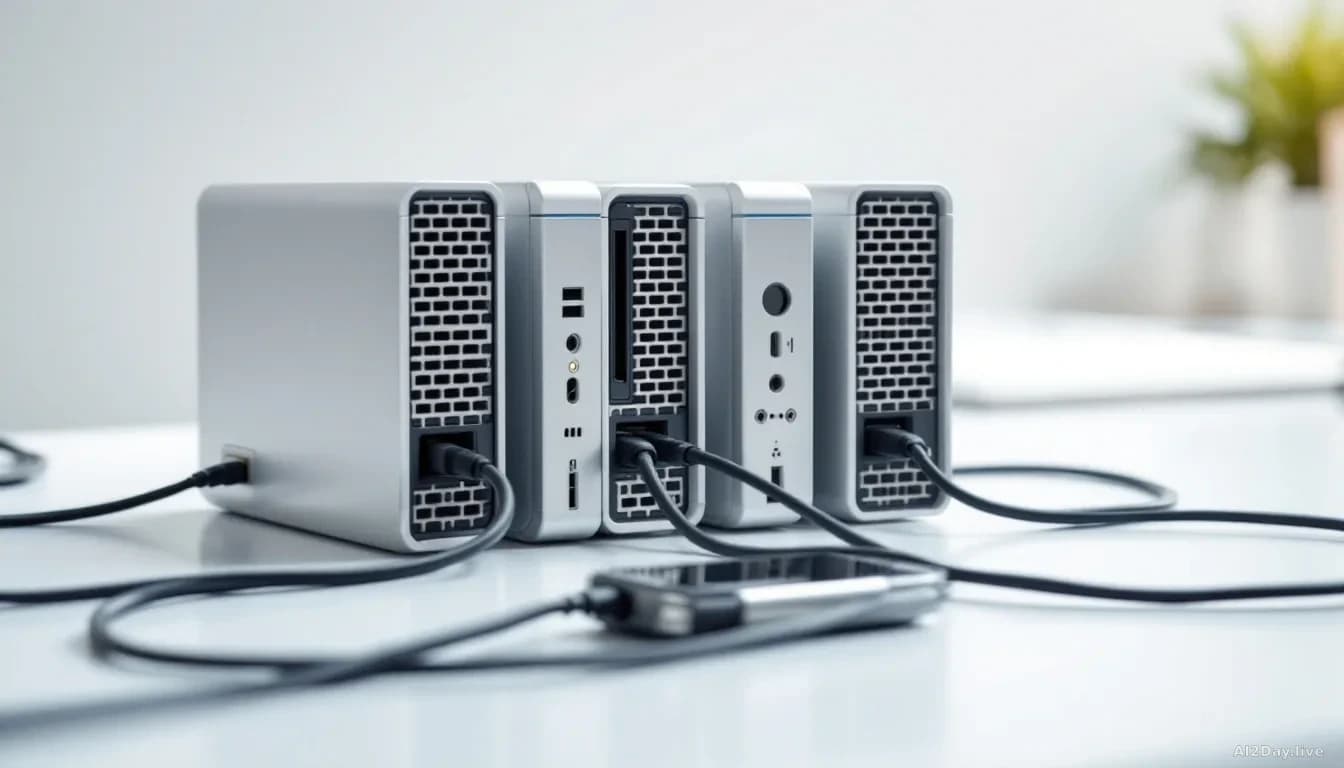
- Mini desktop PCs from Acer and Asus also use the RTX Spark chip and offer up to 128 GB of memory at roughly Mac Mini dimensions.
- Lenovo's AMD-powered ThinkCentre X Ultra starts at $3,699, giving the clearest price signal for this class of machine.
Berlin's IFA 2026 gave journalists hands-on time with the Lenovo Yoga 9n 2-in-1, first reported by Wired AI, and what emerged is a machine chasing Apple's MacBook Pro on almost every front. It's a direction that's been coming: our 27 August story on Perplexity's Portable Computer showed Nvidia already backing a device built to run AI agents without touching the cloud.
The Yoga 9n is 16 inches, 0.69 inches thin, with a 360-degree hinge, an OLED touchscreen, a six-speaker sound system and a 9.2-megapixel webcam. Apple's 16-inch MacBook Pro measures 0.66 inches thick. That gap has nearly closed.
What makes this chip different?
RTX Spark is a system-on-a-chip: processor, graphics unit and memory share a single piece of silicon rather than sitting as separate components on a circuit board. Apple does the same with its M-series chips, which is why MacBooks run cool and last long on a charge.
Nvidia's version pairs a Grace CPU with up to 20 cores alongside a Blackwell RTX GPU with up to 6,144 graphics cores. That GPU core count places it between a standalone RTX 5070 Ti and RTX 5080, the kinds of chips found in high-end gaming laptops today. Getting that power into a thin, quiet machine without a bulky dedicated graphics card is the engineering trick.
The Yoga Pro 9n, a 15-inch sibling not shown in Berlin, trims to 0.66 inches at its thinnest and supports configurations up to 128 GB of RAM (the fast working memory a computer uses to juggle tasks). The 2-in-1 model caps at 64 GB.
Why does memory matter so much for AI?
AI models are enormous files. Running one locally, on your own machine rather than a distant server, requires enough memory to hold the whole model at once. Sixty-four gigabytes is useful; 128 GB opens the door to much larger, more capable models. Our 21 August report found that a 27-billion-parameter model fitting on a high-end laptop could already match mid-tier cloud rivals on coding tests, which makes the memory ceiling on these machines a practical, not theoretical, concern.
When an AI model runs locally, your data never leaves your home. No cloud server sees your financial records or personal emails. For anyone handling sensitive information, that's not a minor point.
Mini desktops are entering this space too. Both the Acer SFF RTX Spark and the Asus ProArt Mini PC are roughly Mac Mini-sized boxes offering the same chip and up to 128 GB of memory. Lenovo also announced the ThinkCentre X Ultra, which uses AMD's Ryzen Max+ Pro 495 instead of Nvidia's chip and also reaches 128 GB, starting at $3,699 for its base configuration.
What will these machines cost?
No RTX Spark laptop prices have been confirmed. The ThinkCentre X Ultra's $3,699 base price is the clearest signal available, and that's not the 128 GB version. A 128 GB MacBook Pro currently costs $6,139. The floor on high-memory AI machines is already high, and it's reasonable to expect RTX Spark laptops to sit somewhere in between.
Other RTX Spark laptops confirmed for this autumn include the Dell XPS 16, Asus ProArt P16, Microsoft Surface Laptop Ultra and the HP OmniBook X 14, the only 14-inch model announced so far. Battery-life figures haven't appeared yet; a combined chip typically means better efficiency, but real-world numbers are still to come.
What to watch: the spec sheet looks strong, but whether a chip sustains that performance inside a hot, thin chassis under load is a different question from what the core count implies on paper.
Common questions
Do I need one of these machines to use AI?
No. For everyday tasks like writing help or image generation, a browser and a free account on any AI service is all you need. These machines target people who want to run large, private AI models without an internet connection.
Should you worry about the price before committing?
Yes. Wait for confirmed prices, battery-life results and independent benchmarks on real AI workloads before spending anything close to $3,699 or above.