Google DeepMind's Gemini Robotics 2 teaches robots to walk, tie knots, and work in pairs
The new model controls humanoids from feet to fingertips, adapts to fresh robot bodies in hours, and lets machines team up on longer jobs.

Key points
- Google DeepMind unveiled Gemini Robotics 2, its updated AI system for controlling robots, on the day of this announcement.
- The system now handles whole-body movement in humanoid robots such as Apptronik's Apollo 2, not just table-top arm work.
- A new on-device version can be trained on a new robot body in a few hours using fewer than 200 examples.
- The reasoning model, Gemini Robotics ER 2, is available on Google AI Studio and in private preview on the Gemini Enterprise Agent Platform.
- DeepMind says the update is its safest robotics release yet on human-proximity tests, backed by a new benchmark called ASIMOV-Agentic.
Google DeepMind has released Gemini Robotics 2, an update to the AI brain it wants running inside the next wave of physical robots, posted to the DeepMind blog.
Give a robot an instruction in plain language, and the software works out how to move its body to do the job. That used to mean a robot arm on a bench doing one repetitive task. This version drives a full humanoid around a room.
What is Gemini Robotics 2, in plain English?
It's the software layer that turns spoken instructions and camera images into physical movement. DeepMind calls it a vision-language-action model, meaning a system that takes in what the robot sees and hears, then outputs the motor commands to act. AI2Day first covered this model category on 30 July 2026.
This release has three pieces: one for action, one for reasoning and planning, and a slimmed-down version that runs on the robot itself without a network connection.
| Model | What it does | Where to get it |
|---|---|---|
| Gemini Robotics 2 | Turns vision and language into motor control for full humanoids and two-armed robots | Early-access partners |
| Gemini Robotics ER 2 | Plans multi-step jobs, talks to humans, coordinates several robots | Google AI Studio; private preview on Gemini Enterprise Agent Platform |
| Gemini Robotics On-Device 2 | Runs locally on the robot, adapts to a new body in hours | Early-access partners |
What can it actually do now?
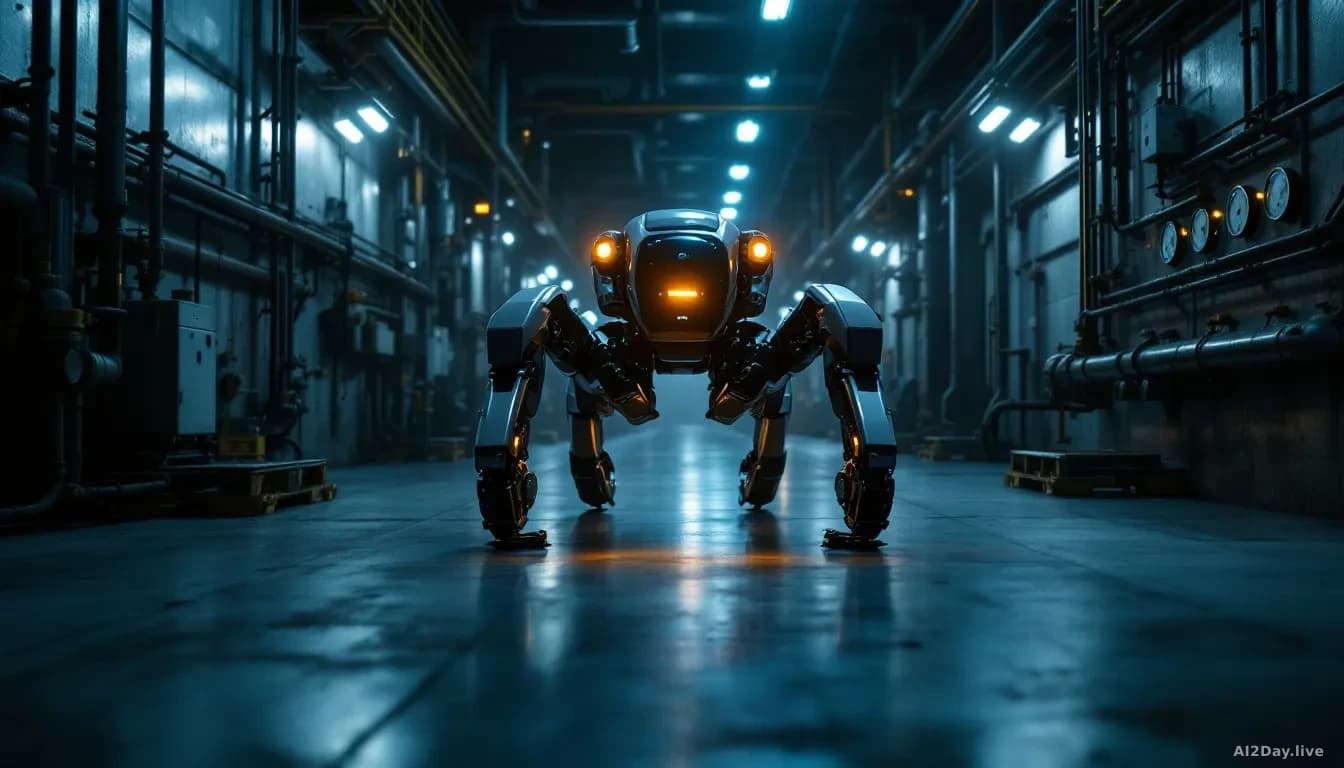
In DeepMind's demos, an Apptronik Apollo 2 humanoid hears "put the watering can into the green bin in the bottom shelf," walks to a table, picks up the can, walks to the shelf and places it. Nothing quick, nothing graceful, but end-to-end on legs.
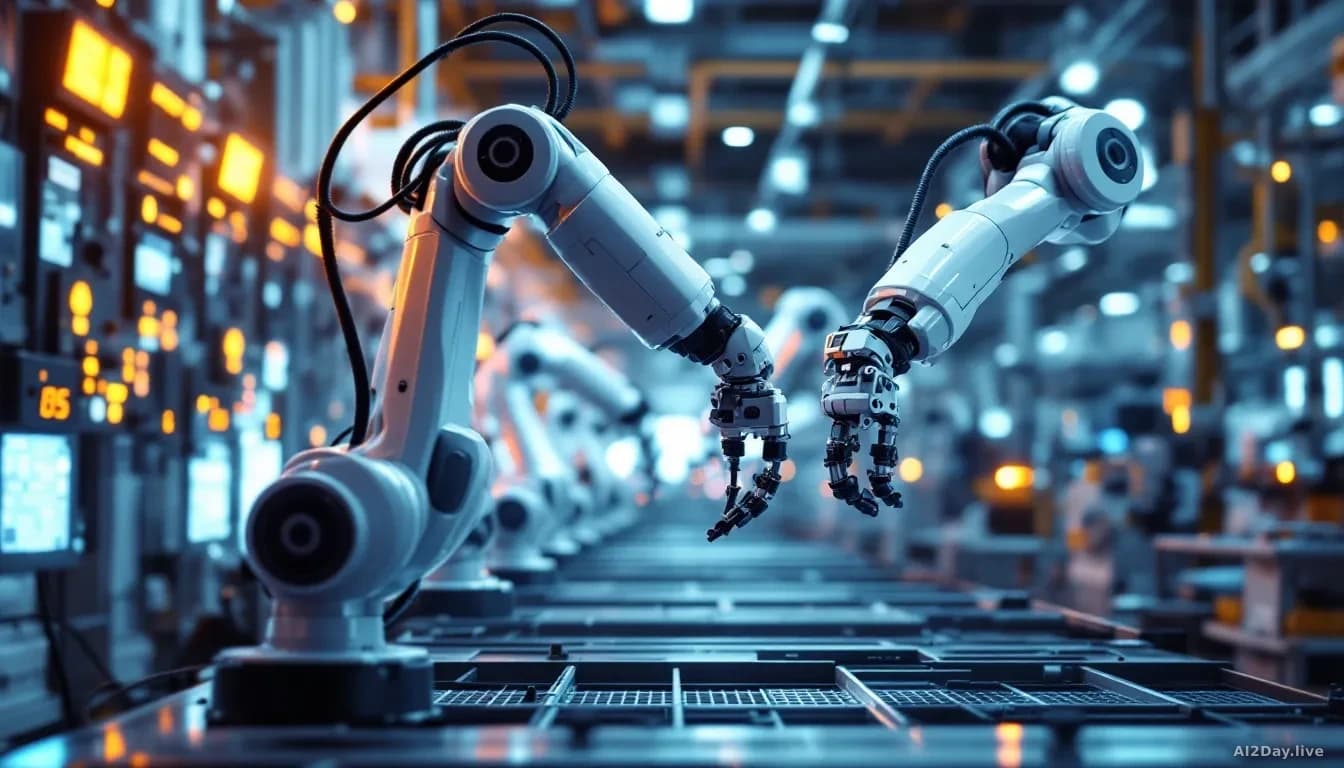
Dexterity is the other headline. The model drives a five-fingered SharpaWave hand with 22 joints, which is enough articulation to tie a knot or seal a ziplock bag. It also runs two-finger grippers on a Franka Duo research platform for tight packing jobs.
Two robots can now split a task. Gemini Robotics ER 2 coordinates between them and tracks whether each step actually worked.
How is this different from the last version?
The previous Gemini Robotics controlled a humanoid's upper body for table-top jobs. Whole-body walking and balancing were out of scope.
DeepMind's honest that speed is still a problem. The Apollo demo is deliberate, not brisk. Watch the clips and you see a robot thinking through every step.
The on-device model is the quieter upgrade. Point it at a new robot body, and it learns to control that hardware in a few hours from fewer than 200 example demonstrations. DeepMind showed this working on Dexmate, SO101 and Trossen platforms.
Should ordinary people be worried about safety?
Not today, because these robots are still in labs and partner workshops. But DeepMind's clearly laying groundwork for the day they aren't.
The company published a Gemini Robotics 2 safety technical report and introduced ASIMOV-Agentic, a benchmark that tests whether the reasoning model refuses unsafe commands and asks a human for help when it's unsure. It also measures how well the robot spots a person walking too close and stops moving.
DeepMind says this is its best-performing robotics model on those human-proximity tests. That's the company's own scoring on its own benchmark, so treat it as a floor to improve on rather than a certificate.
What happens next?
Developers can try Gemini Robotics ER 2 in Google AI Studio now. The action models go to selected hardware partners first.
Here's my honest read after following this beat: the gap between "walks across a room to shelve a watering can" and "does your laundry" is still enormous, and nobody should paper over it. What's real is that whole-body control, fast hardware adaptation and multi-robot coordination have arrived in a single release. That's worth watching. A shipping product for your home isn't this year.