Enigma raises $70 million to make robots as easy to control as a volume knob
The Israeli-American startup is letting anyone in the world command its robots online, hoping the data will reveal what a truly intuitive human-robot interface looks like.

Key points
- Enigma, a robotics AI startup, raised $70 million in seed funding led by Index Ventures and Ribbit Capital.
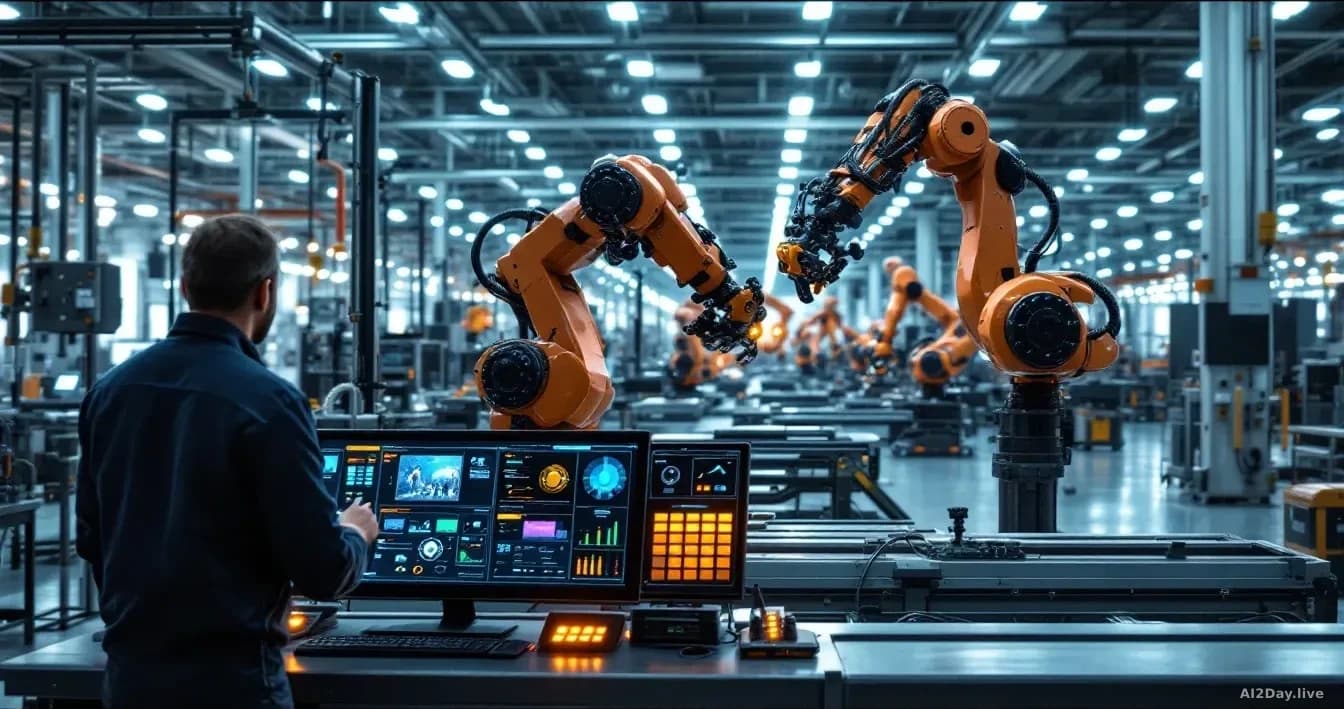
- The less-than-one-year-old company emerged from stealth on Monday with more than 100 robots housed in hangars in Israel and California.
- Anyone in the world can interact with those robots online as part of a large-scale experiment on how humans prefer to communicate with machines.
- Co-founders Jonathan Jacobi and Gal Niv met in hacking competitions as teenagers and later served together in Israel's elite military cybersecurity unit, Unit 8200.
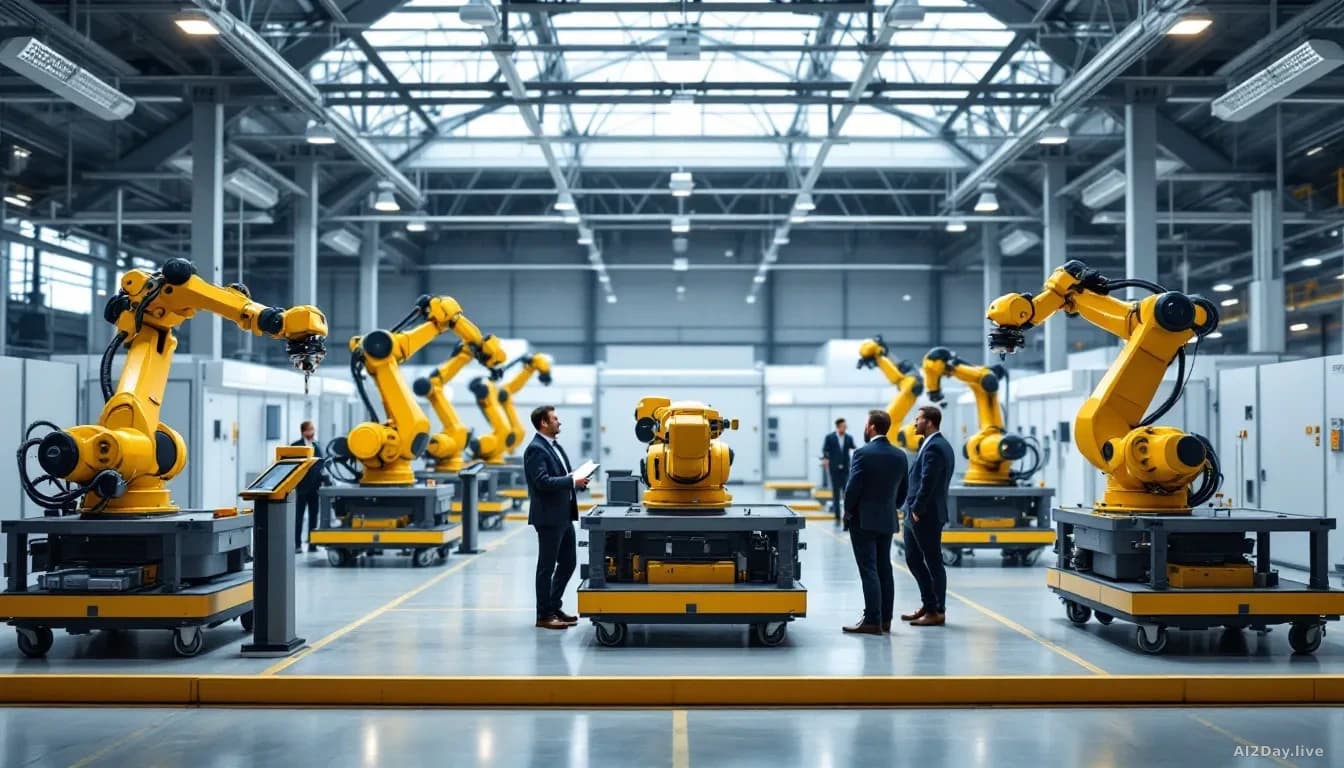
- Enigma is already partnering with companies in healthcare and logistics, though specific products have not been announced.
A brand-new robotics startup thinks the biggest unsolved problem in AI is not making robots smarter. It is making them easier to talk to.
Eniгma, which emerged from stealth Monday, has raised $70 million in seed funding to study how humans naturally want to communicate with machines. Index Ventures and Ribbit Capital led the round, with Sarah Guo of Conviction Partners also participating. First reported by TechCrunch AI, the raise is one of the largest seed rounds in robotics this year.
What is Enigma actually doing?
Eniгma is running a public experiment. Anyone with an internet connection can log on and give instructions to one of more than 100 physical robots the company has built from scratch.
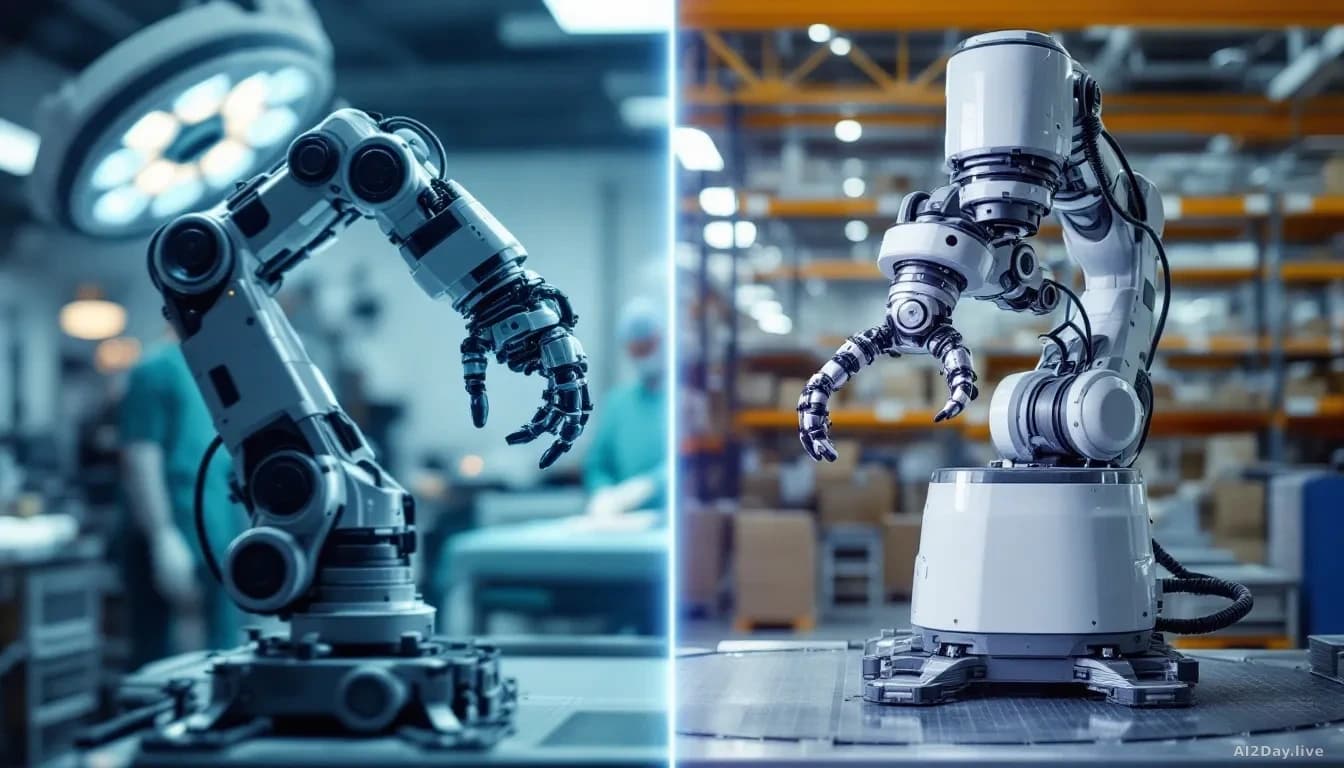
Those robots, sitting in hangars in Israel and California, can paint pictures, fence with small swords, and mix liquids in flasks. Enigma says it designed both the robot arms and the underlying AI models, the software that decides how the robot moves and responds, entirely in-house. Visitors can communicate however they prefer: typing, talking, uploading a short video, or tapping and dragging on a screen.
The goal is to find what co-founder Jonathan Jacobi calls the robotics equivalent of a car volume knob. Turning a dial is instant and obvious. Nobody has to think about it. Jacobi argues that controlling a robot should feel the same way.
"If you had to do your dishes and spent 15 minutes explaining to a robot where to put everything, everyone reaches the point of 'Forget it, I'll just do it myself,'" Jacobi told TechCrunch AI. "Right now, everyone is at that point, even with the most capable models."
Who built this company?
Jacobi became Microsoft's youngest-ever employee after being recruited by Wiz founder Asaf Rappaport. His co-founder, Gal Niv, is a longtime friend from their teenage years competing in hacking competitions. Both later served in Unit 8200, Israel's elite military cybersecurity and intelligence unit, a common launchpad for Israeli tech founders.
Neither has a robotics background. Index Ventures partner Shardul Shah says that is a feature, not a bug. "Someone who's an insider may start with the capability of teleoperation or dexterity, but Enigma is starting from a very different place," Shah said.
The team includes alumni from top AI research labs, winners of international mathematics competitions, and several researchers who left PhD programs to join. Index Ventures, notably, was the subject of our coverage on AI wealth redistribution on 18 July when partner Neil Rimer spoke about the firm's broader thinking on AI's social consequences.
Should you worry about where this is headed?
Not yet, but pay attention. Enigma has no consumer product, and its business plan remains thin on detail. Jacobi confirmed partnerships in healthcare and logistics, but declined to name them or describe specific use cases.
What the experiment does offer is a rare chance to shape how future robots work. Your interaction becomes data that may influence how the next generation of home or workplace robots behaves. That is a modest but genuine stake in the outcome.
The interface question matters more than it sounds. As our 24 July report on Generalist's GEN-1 model showed, robotic capability is advancing fast. Enigma is betting the bottleneck will shift from what robots can do to whether anyone can be bothered telling them to do it.