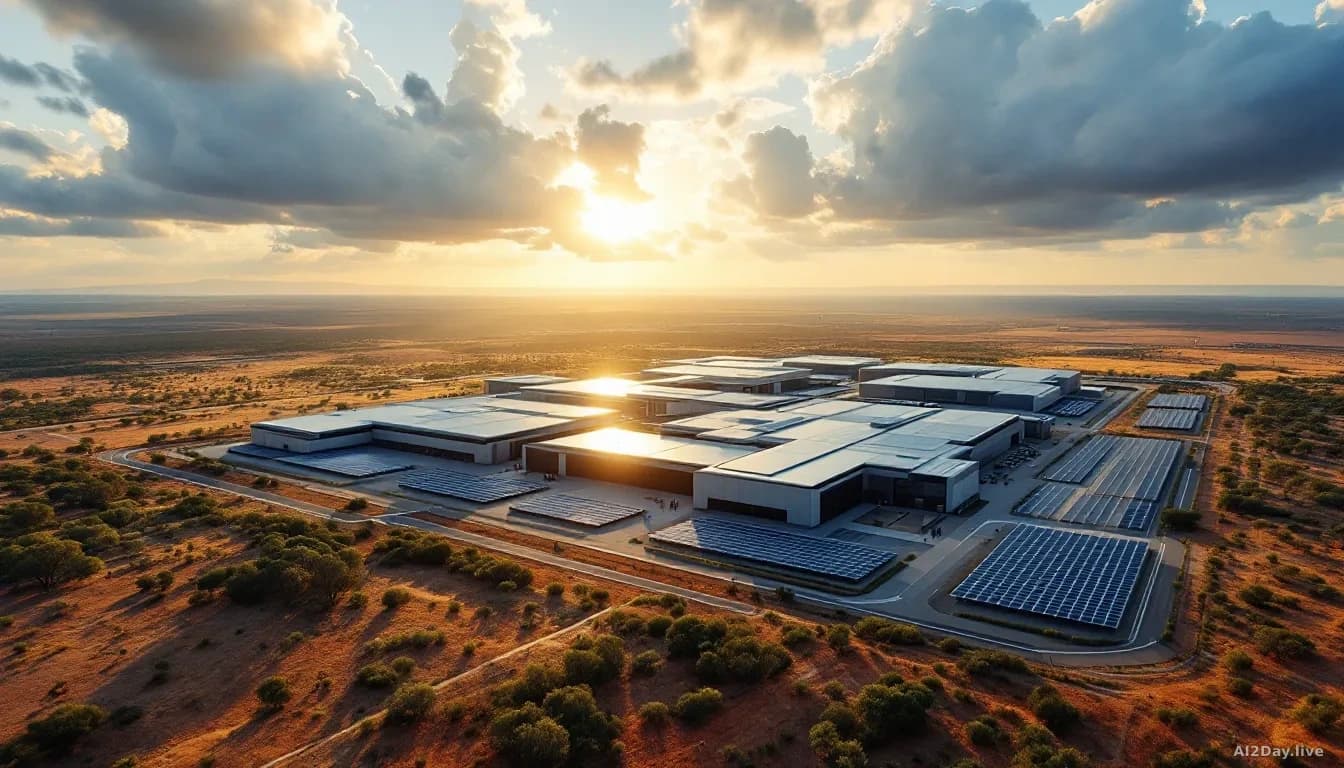
BP Puts North Sea Business Up for Sale as Middle East Crisis Squeezes Oil Markets
BP is seeking a buyer for its North Sea operations after Iran closed a critical shipping lane, sending oil prices sharply higher and forcing the company to rethink where it deploys capital.

Key points
- BP announced it is seeking a buyer for its entire North Sea oil and gas business in 2025.
- Iran closed the Strait of Hormuz, a narrow waterway carrying roughly one-fifth of the world's traded oil, following US-Israeli strikes on the country.
- International Airlines Group, owner of British Airways, reported a steep profit fall and expects no passenger capacity growth this year, citing the fuel price surge.
- BP said the North Sea "remains integral to the UK's energy system" but no longer fits its investment priorities.
BP confirmed on Thursday that it is looking to sell its entire North Sea business, framing the move as a focus on "highest-value opportunities" elsewhere. The backdrop is hard to ignore: oil markets are under severe strain after the US-Israeli strikes on Iran triggered one of the region's most consequential supply shocks in years.
What is the Strait of Hormuz, and why does it matter?
The Strait of Hormuz is a narrow sea channel between Iran and Oman, the only maritime exit for oil leaving the Persian Gulf. Iran shut it after the attacks, and roughly one-fifth of all globally traded oil normally flows through it, so even a brief closure moves prices fast.
The commercial damage spread quickly. International Airlines Group (IAG), which owns British Airways, reported a steep fall in profits and told investors it expects zero growth in the number of passengers it can carry this year. Higher jet fuel costs are the direct cause. IAG's own statement acknowledged that "disciplined cost control" can only partly offset what it called "a significant fuel price increase."
Why is BP selling the North Sea business now?
BP says it's reshaping its portfolio toward its most valuable assets, and the North Sea fields no longer rank at the top of that list despite producing real output.
BP's leadership described the North Sea business as having "world-class people" and "a proud heritage," and argued those qualities should attract a committed buyer. The company said it expects an outcome that "recognises that value," a signal it is not in a fire sale. Who buys it, and what they commit to investing, will determine whether production from those fields rises or holds over the next decade.
A political dimension complicates the picture. The UK government is in a dispute with BP and other operators over future drilling licences. Andy Burnham, whose early leadership challenges we outlined when he took office in July, has indicated he will take "a pragmatic approach" on North Sea policy, telling an earlier call that "when people are struggling, we can't ignore" the resource under British waters. That language is encouraging for operators but carries no firm commitment yet.
Should you worry about fuel and energy costs?
Higher oil prices feed through to pump prices and energy bills, though how fast and how far varies. IAG's results are an early, concrete sign of that pressure reaching companies ordinary travellers rely on.
For North Sea workers, new ownership is not automatically bad news. The fields aren't closing. What matters is the financial strength of whoever takes them on.
Watch for BP's shortlist of bidders and for UK government guidance on licences. Those two things will settle the production trajectory more than any statement BP makes this week.
The bluntest read on this: BP is using a crisis it didn't create to exit an asset it's wanted to shrink for years. The Middle East shock gave it cover, but the direction of travel was already set.