Alibaba's Profit Falls 75% as the Company Bets Big on AI
The Chinese tech giant is pouring money into data centres and chips. Investors are nervous, and shares slid 4% on the news.

Key points
- Alibaba's net income fell 75% in the quarter ending June 2025, compared with the same period a year earlier.
- Capital expenditure, meaning money spent on servers and chips, rose 75% to 67.7 billion Chinese yuan.
- Revenue at Alibaba's cloud division, the part of the business that sells computing power to other companies, grew 45% year-on-year to 48.4 billion yuan.
- U.S.-listed Alibaba shares dropped around 4% in early trading Thursday after the results were published.
Alibaba is spending heavily on artificial intelligence, and the bill has swallowed most of its profit.
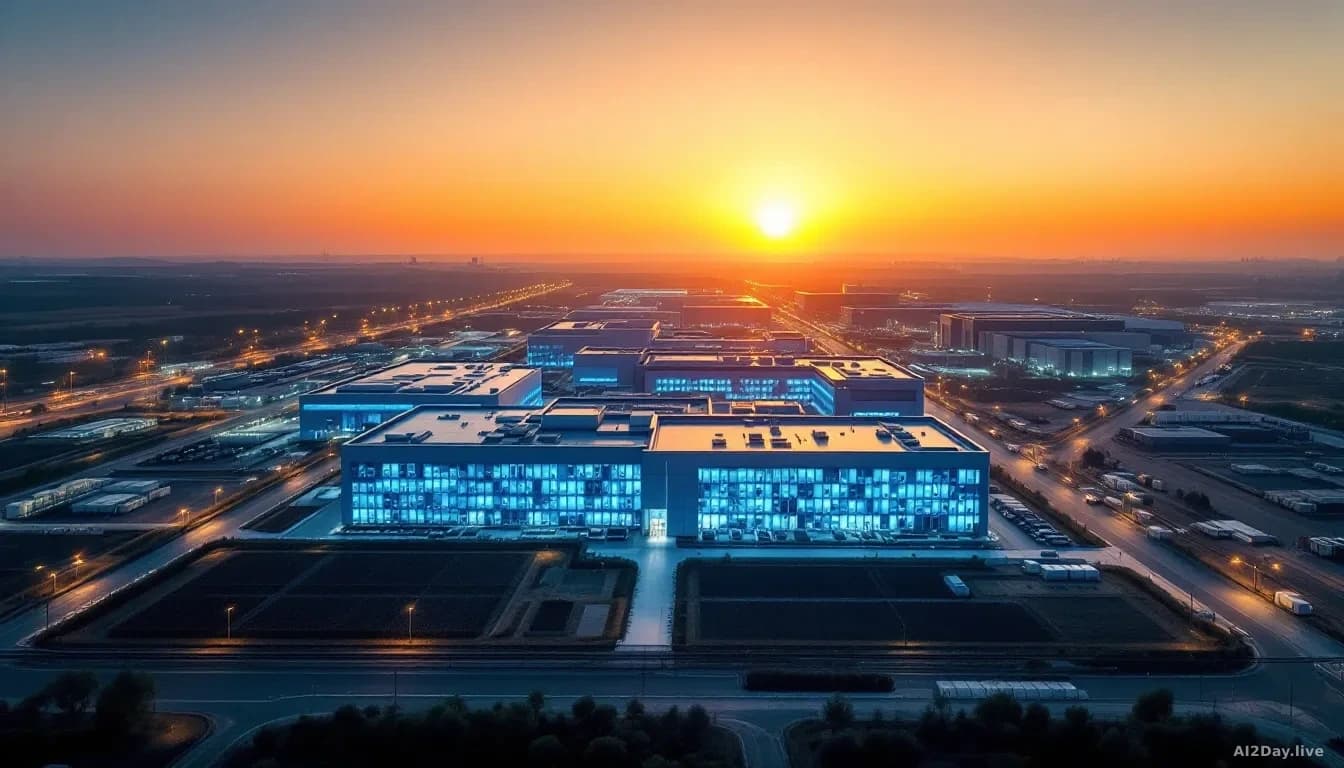
Net income, the money left after all costs are paid, crashed 75% in the April-to-June quarter. Falling sales weren't the cause. The culprit was the sheer cost of AI infrastructure: the warehouses full of servers and chips that AI services need to run.
What exactly did Alibaba spend the money on?
Capital expenditure jumped 75%, reaching 67.7 billion yuan in the quarter. Alibaba said the spike came from three factors: unpredictable timing of customer orders, a big increase in CPU capacity (CPUs are general-purpose processors that handle the bulk of computing work), and higher prices across a broad range of chip components.
Export restrictions on advanced U.S. Chips have pushed Chinese companies to pay premium prices for whatever they can source, and demand everywhere has outpaced supply.
Is the cloud business actually growing?
Yes, strongly. Cloud revenue hit 48.4 billion yuan, up 45% from a year ago. Investors watch this number most closely when judging whether AI spending will eventually pay off. We've tracked the same pattern at Microsoft and Amazon: both companies reported in late July and early August that surging cloud sales justified heavy infrastructure spending, even as costs climbed.
Alibaba's argument is identical: spend now, earn later.
What does this mean for ordinary people?
If you invest in Alibaba, or in funds that hold it, Thursday was a rough morning. Shares fell roughly 4% in premarket trading after results came out before the U.S. Market opened.
For everyone else, this is a useful window into how expensive the AI boom really is. Every chatbot response, every AI-generated image runs on racks of chips inside enormous buildings. Someone has to pay for those buildings, and right now that cost is big enough to turn a profitable quarter into a very lean one.
Whether the investment pays off depends almost entirely on whether cloud customers keep signing up at the current pace. That's the number worth watching next quarter.