Meet the Robot Bricklayer That Learned the Hard Way About Black Bricks
A U.S. construction startup called Monumental is sending teams of robots to lay bricks on real sites. What it has discovered on the job is reshaping how the industry thinks about automation.
Key points
- The Association of General Contractors reports that 92% of contractors struggle to fill roles, while the U.S. Is short 4.5 million homes.
- Monumental has built three robots, Pisa, Petra and Panama, that work as a team to lay bricks on live construction sites.
- Only 10% of the technology Monumental is building is specific to bricklaying; the rest applies to running robots on construction sites broadly.
- Bricklayers are the top job-shortage category in the U.K., the Netherlands and Germany, according to Monumental's CEO.
- A last-minute switch to pitch-black bricks during an early deployment forced the team to retrain its computer vision system before work could begin.
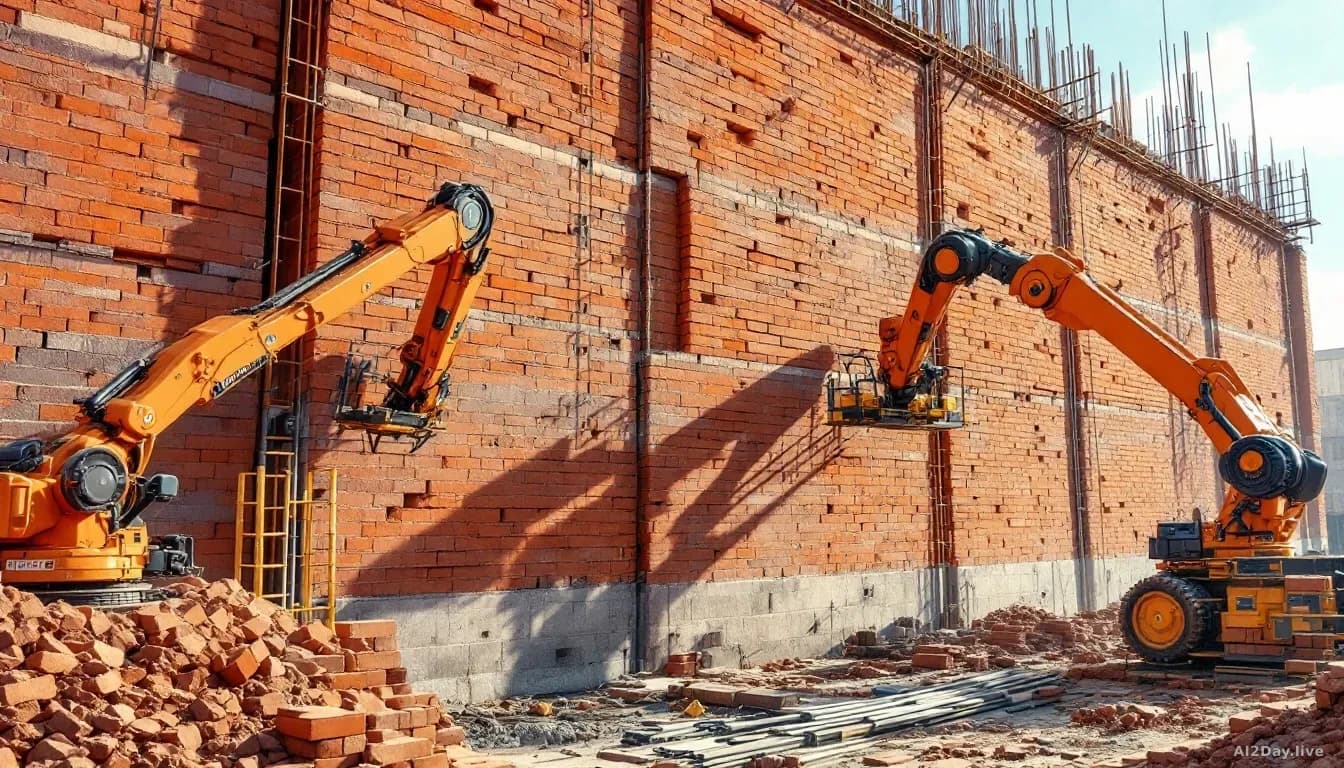
A construction site in the Netherlands. A robot arm picks up bricks, reads their corners, presses them into place. A second arm squeezes out mortar. No human bricklayer in sight.
That is Pisa, built by Monumental, a startup making the case that robots belong on building sites right now.
Why bricklaying?
Bricklaying is among the hardest construction tasks to automate, which is exactly why Monumental started there. Solve it, the thinking goes, and almost everything else gets easier.
Salar al Khafaji, Monumental's founder and CEO, told The Robot Report that the labor picture makes the case plainly. Bricklayers top the job-shortage rankings in the U.K., the Netherlands and Germany. In the U.S., the Association of General Contractors says 92% of contractors cannot fill open roles, while the country is simultaneously short 4.5 million homes.
"It's literally there's not enough people to do the work," al Khafaji said. "We desperately need this technology."
When we covered autonomous excavators on U.S. Sites in August, the story was about ground preparation, the earliest phase of construction. Monumental works the next phase: building the shell.
How the three robots actually work
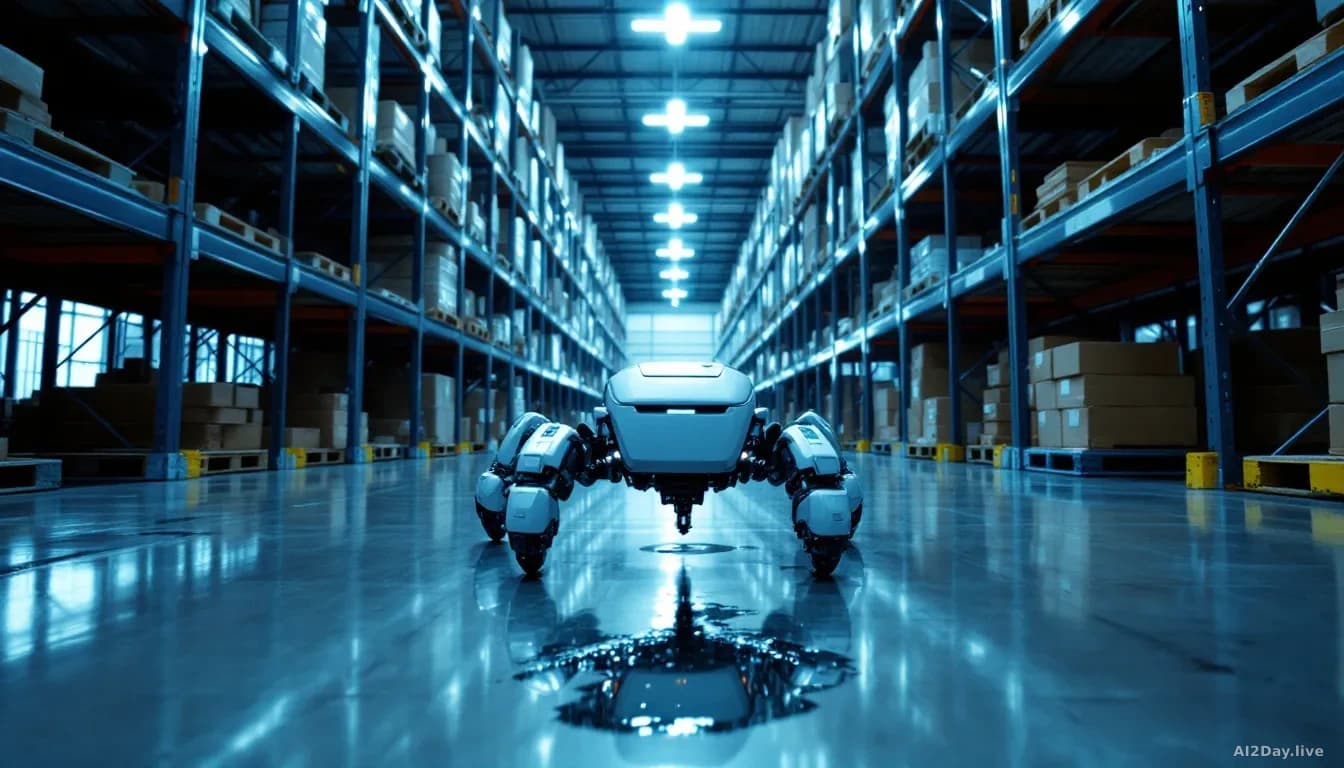
Pisa is the main act. Two arms sit on a non-humanoid body, one arm to place bricks, one to push mortar into the joints. Petra hauls bricks to the work area. Panama keeps the mortar flowing.
All three share the same underlying platform, so adding more robots later is straightforward. A mushroom-shaped device called Pathion sits on each site, combining 4G, 5G and Starlink to keep communications reliable. Construction sites are not office buildings; connectivity is not guaranteed.
Al Khafaji estimates just 10% of what Monumental is building is strictly about bricklaying. The other 90% is technology for running any robot on a construction site, which means the company's bet is bigger than it looks.
What surprised the team in the field
Monumental made a deliberate call to get robots onto real sites in its first year rather than refining them in a lab.
That decision paid off quickly, and uncomfortably. Weeks before one early deployment, the team learned the bricks on that job were pitch black. Their computer vision system, the software that lets a robot identify objects and measure their position, had been trained almost entirely on red and pale bricks. It could not recognise the dark ones.
The team gathered new images, retrained the model, and made the deadline. The lesson stuck.
"You get real-world data," al Khafaji said. "This is actually why it's great to do these deployments."
The company now knows it needs far more variety before it can scale confidently: different colours, different weather, different countries, different regulations.
What this means if you work in construction
Monumental arrives on site as a subcontractor, the same way a plumbing crew or flooring team would, except it sends robots instead of people. Whoever manages the site calls Monumental the same way they would call any other trade. No special integration required.
The catch is dependencies. If the bricks don't arrive on time, the robots sit idle. Technology doesn't fix a supply chain.
For workers, al Khafaji's framing deserves attention: this is not automation filling roles that people want. It is automation filling roles that nobody is taking. That distinction matters as the debate around construction robotics sharpens.
Watch for: sites where bricklaying crew shortages are delaying your build. Robotic bricklaying is still in early pilot stages, but real commercial deployments are happening now in Western Europe.