Massachusetts tells data centers: bring your own clean power or pay up
Governor Maura Healey has signed an order forcing large data centers to supply their own clean electricity, making Massachusetts the third state in three months to crack down on the industry's appetite for power.
Key points
- Massachusetts Governor Maura Healey signed an executive order in 2025 requiring data centers larger than 25 megawatts to supply their own clean power or pay into a fund that protects ordinary electricity customers.
- The clean-power threshold isn't 100%: by 2030, only 40% of a data center's power must come from approved clean sources such as wind and solar.
- Massachusetts paused applications for a data center sales tax exemption, effective last month, to give regulators time to set up the new rules.
- Texas and New York both imposed new data center restrictions in July and August 2026, making three states in three months to tighten the rules.
- A pro-AI political group funded by prominent tech investors is buying ads in swing states ahead of midterm elections to push back against the trend.
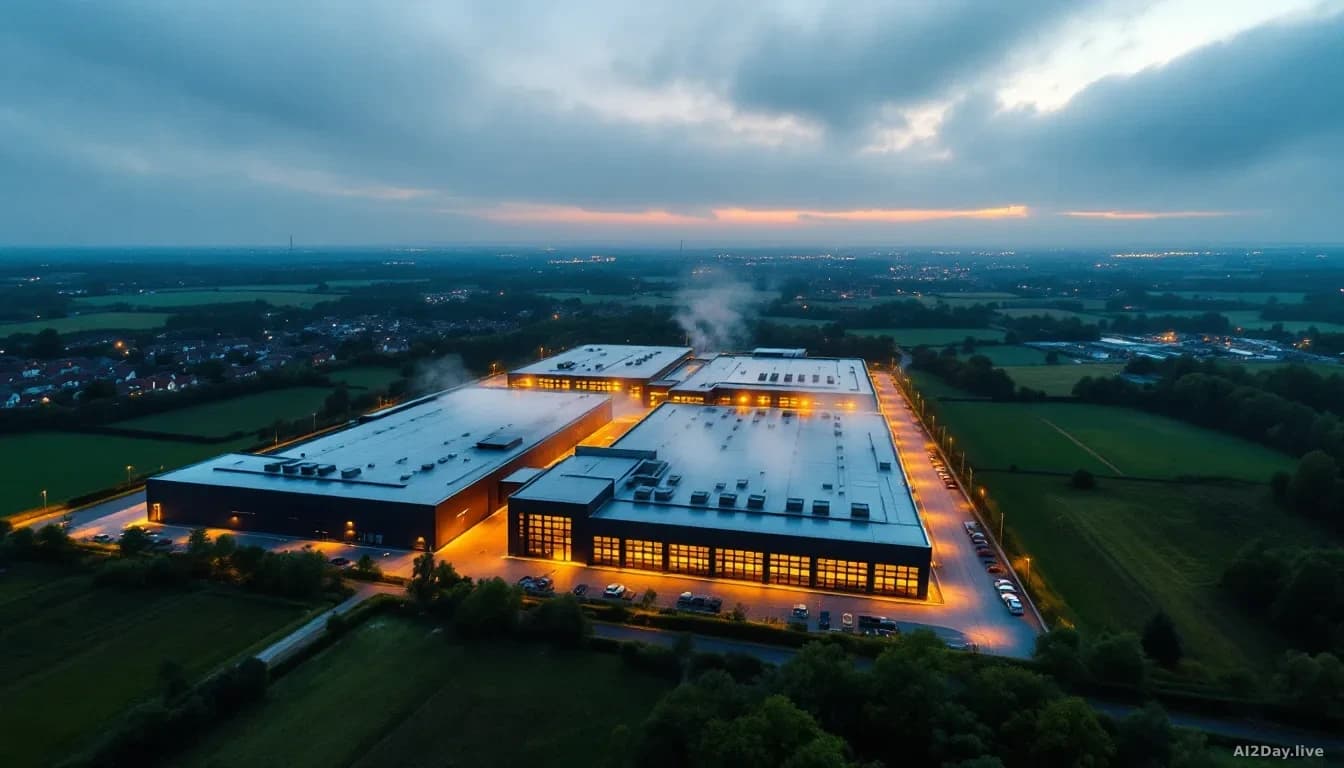
Data centers, the giant warehouse-sized buildings packed with computers that run everything from cloud storage to artificial intelligence, devour electricity at a scale that worries grid planners and residents paying monthly power bills. Massachusetts has decided it's seen enough.
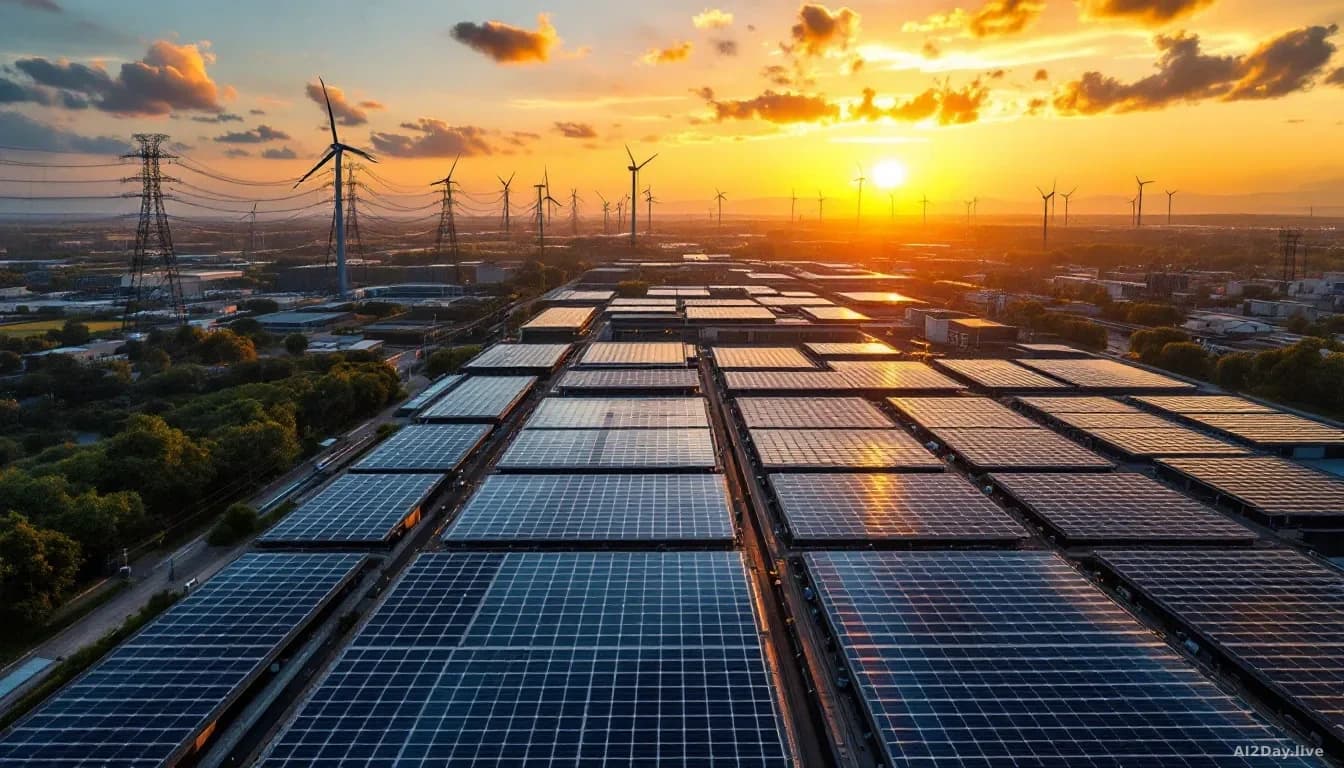
Governor Maura Healey signed an executive order requiring any new data center with a peak electricity demand above 25 megawatts to source its own clean electricity rather than drawing from the shared grid. First reported by TechCrunch, the order gives developers three routes: generate clean power on the same site, fund new clean generation nearby, or pay into a ratepayer protection fund, a pot of money used to shield ordinary customers from higher bills caused by the data center's demand. Our August story on Australia's data centres consuming up to 13% of national electricity by 2035 shows this isn't a local anxiety.
Does "clean power" mean 100% renewable?
No. The rules tie data centers to Massachusetts's existing clean energy standard, which requires a rising but still partial share of electricity from approved sources.
In 2030, that share reaches 40%, climbing each year after that. A data center won't ever be required to run entirely on renewables under this order. Critics may argue the standard is softer than the headline suggests; supporters say it still forces the industry to fund new clean generation that wouldn't otherwise exist.
The order also tells local communities to stop signing non-disclosure agreements with data center developers, agreements that have previously let companies keep project details hidden from the public.
Why now, and what changed?
Not long ago, states competed to attract data centers, dangling tax breaks and cheap land. The mood has flipped.
Massachusetts is the third state to act in three months. New York halted construction of data centers at or above 50 megawatts in July 2026. Then, in August 2026, Texas Governor Greg Abbott required all new data centers to submit to audits by the state's public utility commission and ERCOT, the Electric Reliability Council of Texas, which manages the state's power grid.
| State | Action | Date |
|---|---|---|
| New York | Stopped new data centers at 50 MW or larger | July 2026 |
| Texas | Required audits by utility regulator and grid operator | August 2026 |
| Massachusetts | Clean-power mandate or ratepayer fund payment | 2025 |
The tech industry is pushing back. Leading the Future, a political action committee funded by venture capitalists Marc Andreessen and Ben Horowitz and OpenAI co-founder Greg Brockman, is buying political ads in battleground states ahead of the midterm elections.
What does this mean for you?
If you pay an electricity bill in Massachusetts, the order is designed to stop data center growth from raising your rates. Whether it succeeds depends on how many developers choose to pay into the fund rather than build actual clean generation. That's the number worth watching: payments into a fund are quieter and cheaper than constructing real turbines or panels, and the order permits both.
Britain took a different but related approach; we reported in July that Ofgem wants data centre operators to put real money on the table before reserving a grid connection. The direction of travel across multiple jurisdictions is the same, even if the mechanisms differ.