Anthropic Signs $45 Billion Computing Deal with British Startup Nscale
The AI company behind Claude is locking up computing power at a pace that suggests it expects AI demand to keep climbing hard through the rest of the decade.

Key points
- Anthropic agreed to a $45 billion, six-year deal with Nscale, a British computing infrastructure company founded in 2024, for AI computing capacity.
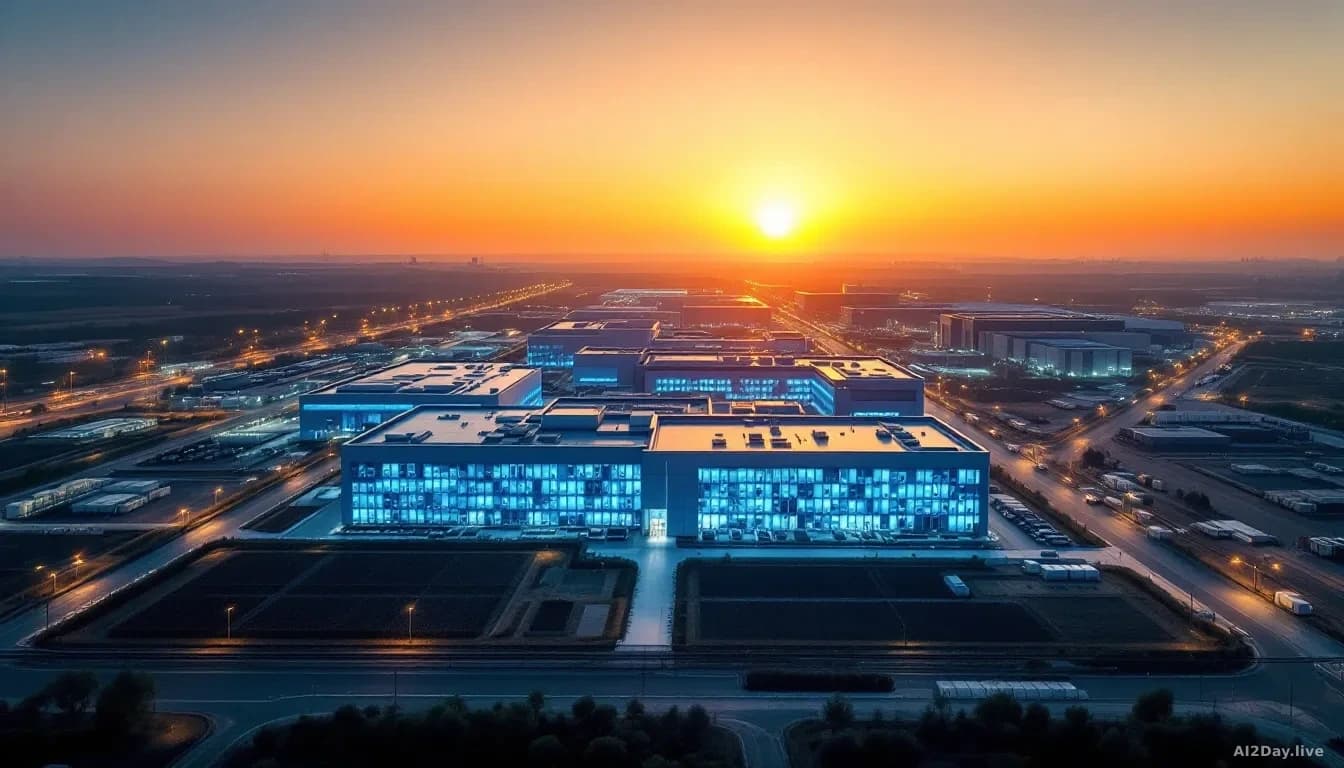
- Nscale will supply computing power through Nvidia Vera Rubin chips, Nvidia's most advanced chip system, from a data center in West Virginia.
- Computing capacity from the deal is expected to start running Anthropic's services in late 2027.
- Since April 2025, Anthropic has signed at least five separate large computing deals worth tens of billions of dollars combined.
- OpenAI, Google, and Meta are pursuing similar computing expansions.
Anthropoc has agreed to spend up to $45 billion renting computing power from Nscale, a British AI infrastructure company founded just last year, according to a source familiar with the agreement, first reported by Bloomberg. Six years, one flagship data center in West Virginia.
That capacity will come via Nvidia's Vera Rubin system, a next-generation chip setup (chips are the specialised pieces of hardware that do the heavy number-crunching AI needs to run) combining six different chips working together. It's Nvidia's most advanced chip design. None of it flows into Anthropic's systems until late 2027.
Why is Anthropic spending so much on computing?
More computing power means faster, more capable AI. Anthropic, the company behind the Claude family of AI assistants, is trying to close the gap with OpenAI and that requires a lot of hardware.
This is the largest single computing agreement Anthropic has announced, but it isn't the only one. The pace is hard to ignore.
| Date | Partner | Value | Notes |
|---|---|---|---|
| April 2025 | Amazon | Undisclosed | 5 extra gigawatts of computing capacity |
| April 2025 | Google / Broadcom | Undisclosed | Additional power capacity |
| May 2025 | SpaceX | ~$1.25 bn/month | Two SpaceX data centers |
| July 2026 | AMD | $5 billion | Computing-related deal |
| July 2026 | Volta | $10 billion | Six-year deal, Norway data center |
| 2025 | Nscale | $45 billion | Six-year deal, West Virginia |
Volta was founded only in January 2025, making it, like Nscale, barely a year old when Anthropic signed. Newer suppliers can skip waiting lists because they're building fresh capacity around the latest chips rather than retrofitting older infrastructure.
Anthropoc isn't alone. OpenAI and Meta are chasing the same hardware, and we covered the scale of OpenAI's own infrastructure push in our 19 August story on Nvidia's backing of a $600 billion computing deal anchored by a 20-year Ohio campus.
What does this mean for ordinary users?
Nothing changes today for people who use Claude. West Virginia doesn't switch on until late 2027, so any effect on speed or capability is two years away.
Longer term, more capacity generally lets AI companies train more powerful models and serve more users without slowdowns. Whether those improvements reach free-tier users or sit behind paid plans is a decision Anthropic hasn't made public for this capacity.
Common questions
Who is Nscale, and should I have heard of them?
Nscale is a British company that builds and operates data centers, the large facilities packed with computer hardware that AI companies rent instead of building their own. Founded in 2024, it's already signed deals with Microsoft and now Anthropic, making it one of the faster-growing players in AI infrastructure.
Why does Anthropic keep signing deals with brand-new companies?
Established computing suppliers have long waiting lists. Newer companies, often backed by large investors, can move faster to build fresh capacity specifically designed around the latest chips. Anthropic appears to be betting that getting in early with these suppliers locks in better access.