Microsoft's $2,599 Surface Laptop Ultra Puts a Full AI Workstation in a Portable Chassis
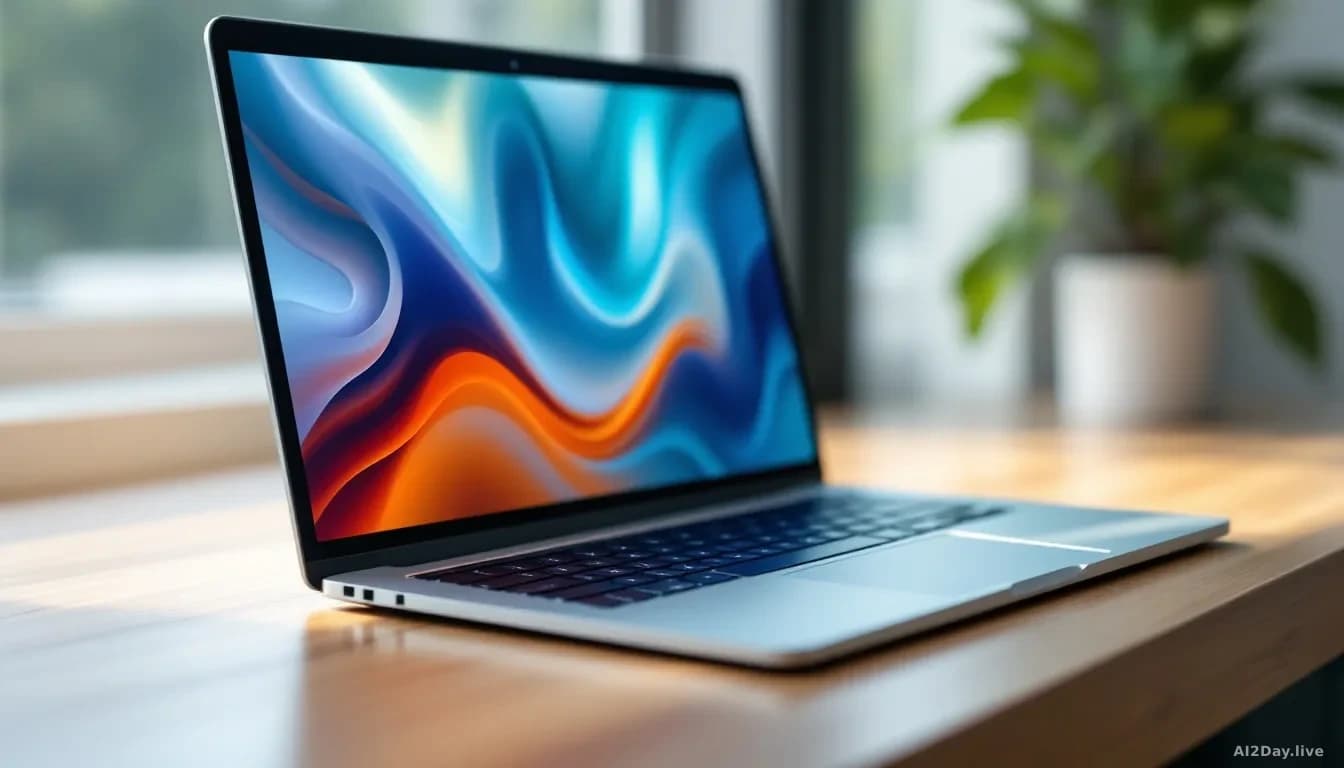
The Surface Laptop Ultra, shipping October 16, runs on Nvidia's new RTX Spark chip and can hold up to 128 GB of shared memory, letting one machine handle gaming, local AI models, and professional creative work at the same time.
Key points
- Microsoft's Surface Laptop Ultra starts at $2,599 and begins shipping October 16, 2026, making it the first laptop built around the Nvidia RTX Spark system-on-a-chip.
- The machine can be configured with up to 128 GB of LPDDR5x unified memory, a single pool shared between the processor and graphics, removing the fixed memory ceiling that limits traditional laptops.
- A companion desktop unit, the Surface RTX Spark Dev Box, targets software developers who want to run AI models locally without paying per-query cloud fees.
- Microsoft held its first live hardware event in two years to announce the devices, as first reported by Ars Technica.
- Our coverage of local AI hardware has run to 11 stories since July; this is the most significant piece of Windows-native kit we've seen in that stretch.
Microsoft's newest laptop tries to collapse a question most buyers have quietly accepted as unanswerable: why does serious creative work, local AI development, and capable gaming require three different machines?
The Surface Laptop Ultra runs on the Nvidia RTX Spark, a system-on-a-chip (meaning the processor, graphics, and memory all live on a single piece of silicon rather than as separate components). That design lets the laptop pool its memory freely. A traditional laptop keeps a fixed slice of memory reserved for the graphics unit, with the rest going to the main processor. Here, up to 128 GB of LPDDR5x unified memory flows to whichever task needs it most: rendering a 3D scene, running a large language model locally, or playing a demanding new release. Gears of War: E-Day was shown running on the system at the announcement event, so AAA gaming without a traditional discrete GPU isn't just a spec-sheet claim.
What does this mean for ordinary buyers?
For most people, the $2,599 entry price is the first hard stop. It's a professional machine. The audience Microsoft is clearly courting includes designers, developers, and video editors who currently carry two devices or pay large cloud bills to run AI tools remotely.
The local AI angle is real money. The Surface RTX Spark Dev Box, a separate desktop unit announced alongside the laptop, is explicit about the pitch: run inference and experimentation on your own hardware to cut the per-query API fees you'd otherwise pay to services like OpenAI or Google. For a freelancer or small studio running hundreds of AI queries a day, those costs compound quickly.
The Dev Box ships with Visual Studio Code, Windows Subsystem for Linux, and PowerShell 7 already installed, so a developer can open the box and start coding without a setup afternoon. It also supports Microsoft's Aion 1.0 Instruct model for text tasks and AI agent tool-calling, meaning software that can carry out multi-step tasks on its own without cloud connectivity. Our September story on Hugging Face's one-line local model runner showed how far Apple Silicon had pushed local AI; Microsoft is now swinging at the same target on Windows hardware.
Should buyers wait for a price drop?
Probably not if the use case fits. Unified memory designs at this scale are genuinely new territory for Windows laptops. A choice between a 5,120-core or 6,144-core Blackwell GPU, paired with up to 128 GB of shared memory, puts specs on the table that didn't exist in this form factor a year ago.
Survivorship bias is worth naming here. We'll hear a lot about the freelancers and indie studios who buy this machine and cut their cloud bills in half. We'll hear less about buyers who spend $2,599 and find their actual AI workloads fit fine on a cheaper laptop with a cloud subscription. If you're already paying meaningful monthly AI API fees and need a portable machine, the math on owning local compute starts to work. If you're buying on speculation about future AI projects, wait.
| Spec | Detail |
|---|---|
| Starting price | $2,599 |
| Ship date | October 16, 2026 |
| GPU options | 5,120-core or 6,144-core Blackwell GPU |
| Max unified memory | 128 GB LPDDR5x |
This announcement arrives at an interesting moment for Microsoft's public reputation. In the past two weeks alone, AI2Day covered a Copilot safety failure involving a British MP and a warning from Microsoft's own AI chief about AI systems acting without human oversight. Hardware you own and run locally doesn't fix software safety problems, but it does change the risk profile: a local model that misbehaves stays on your desk, not in a shared cloud environment.
For the local AI space, this is the most concrete reason yet to treat it as a real buying decision rather than a hobbyist experiment.