A robotics startup wants to fix America's housing shortage with automated mini-factories
Reframe Systems has raised $40 million to build homes using robots and software instead of dozens of subcontractors. Its first proper factory opens in Massachusetts this October.

Key points
- Reframe Systems raised $40 million in a funding round led by Energy Impact Partners, announced today.
- The U.S. Currently lacks 4.5 million homes, according to industry estimates.
- Reframe's first purpose-built factory, FAB1, opens in Billerica, Massachusetts on 5 October 2025.
- FAB1 cost under $5 million to equip and is designed to produce up to 500 apartments or 250 single-family homes per year.
- Reframe now targets 1 million homes built worldwide by 2040, five years ahead of its original schedule.
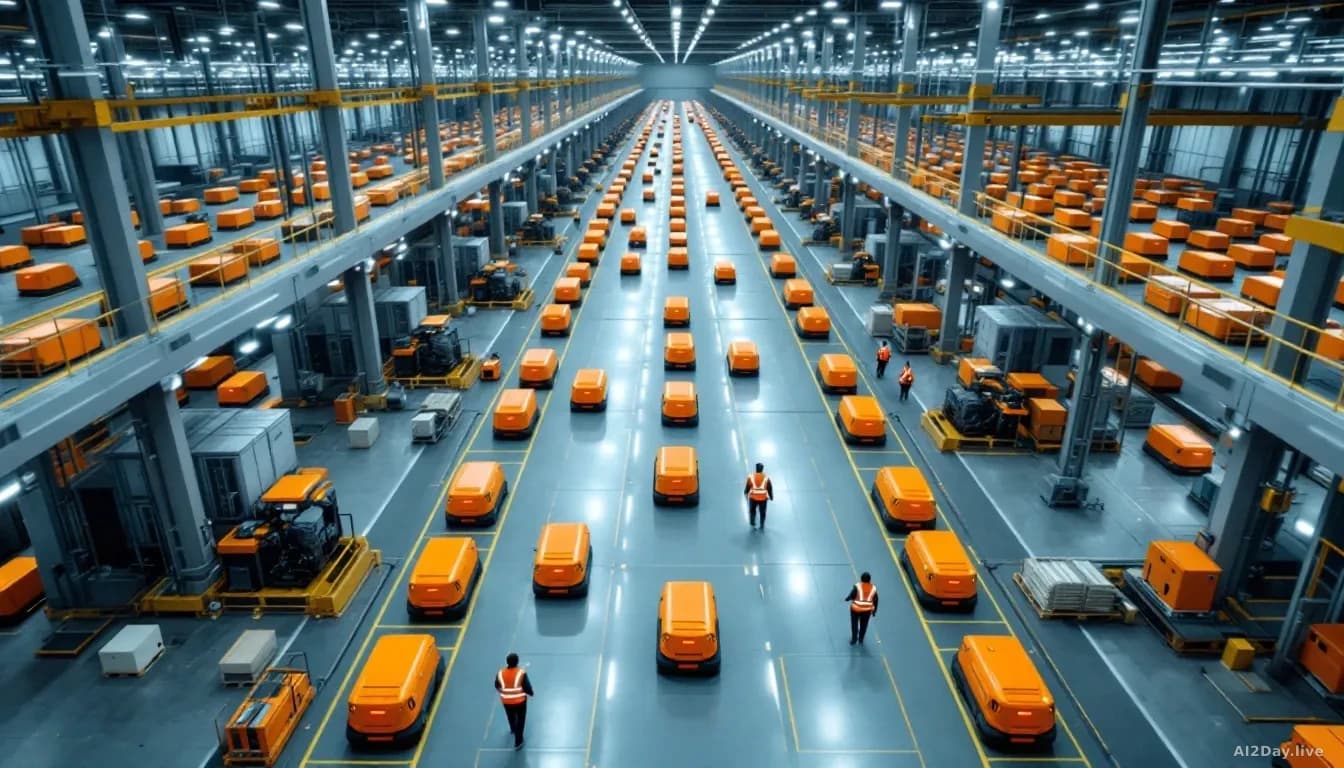
A Boston-area startup says it can help close America's enormous housing gap, not by hiring more construction workers, but by replacing much of the process with robots and software running inside small, purpose-built factories.
Reframe Systems, founded in 2022 by three former Amazon Robotics engineers, announced the $40 million raise today. The company builds homes by combining robotic assembly lines with its own "Pixels to Parts" software, a program that translates architectural designs into machine instructions. The news was first reported by The Robot Report.
Why does this matter to ordinary people?
The U.S. Is short 4.5 million homes, and that gap pushes rents and prices up for everyone.
Traditional home construction relies on 25 or more separate subcontractors coordinating on a single site, drawing on a shrinking pool of skilled tradespeople. That makes building slow and expensive. Reframe wants to move most of that work inside small automated factories near the communities that need homes, with each factory adjusting output to match local zoning rules and architectural styles.
CEO Vikas Enti put it plainly: "The housing shortage is an abstraction until you're the person who can't find a home in the community you want to live in."
What has Reframe actually built so far?
Ten homes are complete, eight already occupied.
The finished homes range from accessory dwelling units (small secondary homes built on an existing property, often called granny flats) to triple-decker apartments. Over the next year the company plans to deliver 114 more. Active projects include 12 units in Devens, Massachusetts, a five-storey apartment building in Roxbury, and a wildfire-resilient bungalow in Altadena, California, where a family lost their home in this year's fires.
Jonathan and Marisol Talbot, whose Altadena home was destroyed, said a traditional rebuild "could take years and could cost far more than we could afford." Reframe managed permits, coordinated with a contractor, and expects to finish in months.
What does the factory opening mean?
FAB1, opening 5 October 2025, is the clearest sign yet that Reframe is moving from pilot project to real production.
| Metric | Figure |
|---|---|
| Funding raised | $40 million |
| FAB1 opening date | 5 October 2025 |
| Equipment cost for FAB1 | Under $5 million |
| Annual capacity (apartments) | Up to 500 units |
| Annual capacity (single-family) | Up to 250 homes |
| Homes completed to date | 10 |
| 2040 target | 1 million homes |
The factory will reach full readiness just 70 days after the company got the keys. That's quick by any industrial measure. Investors include Energy Impact Partners, Counterpart Ventures, E12 Ventures, Global Brain, Thin Line Capital, Up Partners, the LACI Impact Fund, and a cohort of returning backers.
Reframe's three founders previously helped scale automation and place more than half a million robots across Amazon's global fulfilment network. That same learning-loop logic applies now: according to Enti, each home the system builds makes the next faster and cheaper, because the software, robots, and factory network accumulate experience across every project.
Robots building homes is not purely a housing story. Our earlier piece on North American robot orders jumping 21% in Q2 2026 found the fastest growth outside the automotive sector, which is exactly the territory Reframe is entering. Watch whether FAB1's October output numbers hold up: capacity claims in early-stage manufacturing rarely survive first contact with a full production schedule.