Un Robot Vio Un Video y Volteó un Panqueque. Skild AI Dice Que Eso Lo Cambia Todo.
El nuevo modelo S1 de Skild AI permite que los robots aprendan tareas a partir de un único clip de video, sin necesidad de reentrenamiento durante semanas. La empresa ha recaudado casi 1.700 millones de dólares para lograrlo.
Puntos clave
- Skild AI lanzó S1, su modelo de fundación robótica insignia, afirmando que los robots pueden aprender nuevas tareas a partir de una única demostración en video.
- La empresa ha recaudado casi 1.700 millones de dólares desde su fundación en 2023 para construir lo que llama un cerebro robótico de propósito general.
- S1 utiliza aprendizaje en contexto, una técnica que permite que un modelo actúe sobre un ejemplo mostrado en el momento del uso, sin reentrenamiento requerido.
- El CEO de Skild, Deepak Pathak, confirmó que el comportamiento de voltear panqueques emergió por sí solo, sin ningún ejemplo de volteo en los datos de entrenamiento.
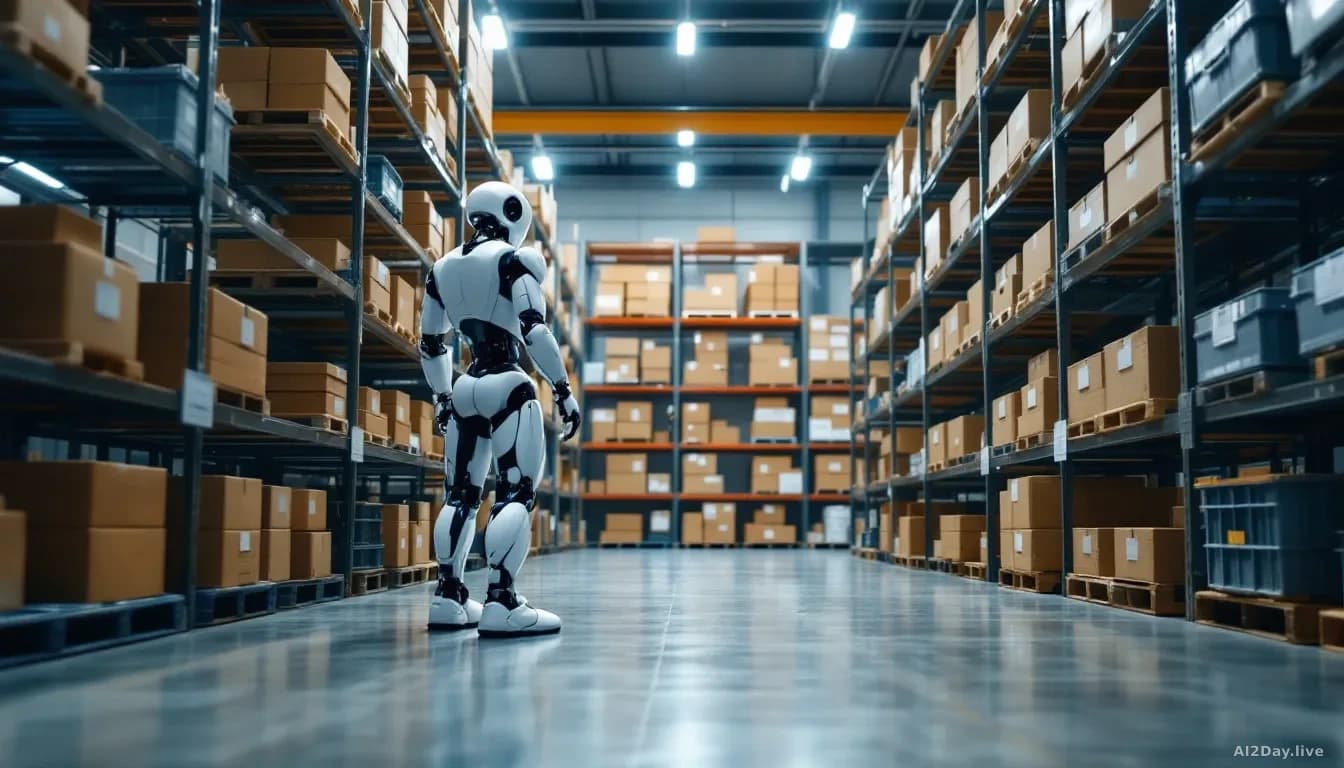
- S1 funciona en cuadrúpedos, brazos de escritorio y robots humanoides.
Enseñarle a un robot una nueva habilidad normalmente toma semanas. Los ingenieros recopilan ejemplos, reentrenan el software, lo prueban, repiten. Skild AI quiere reducir todo ese proceso a simplemente mostrarle al robot un video.
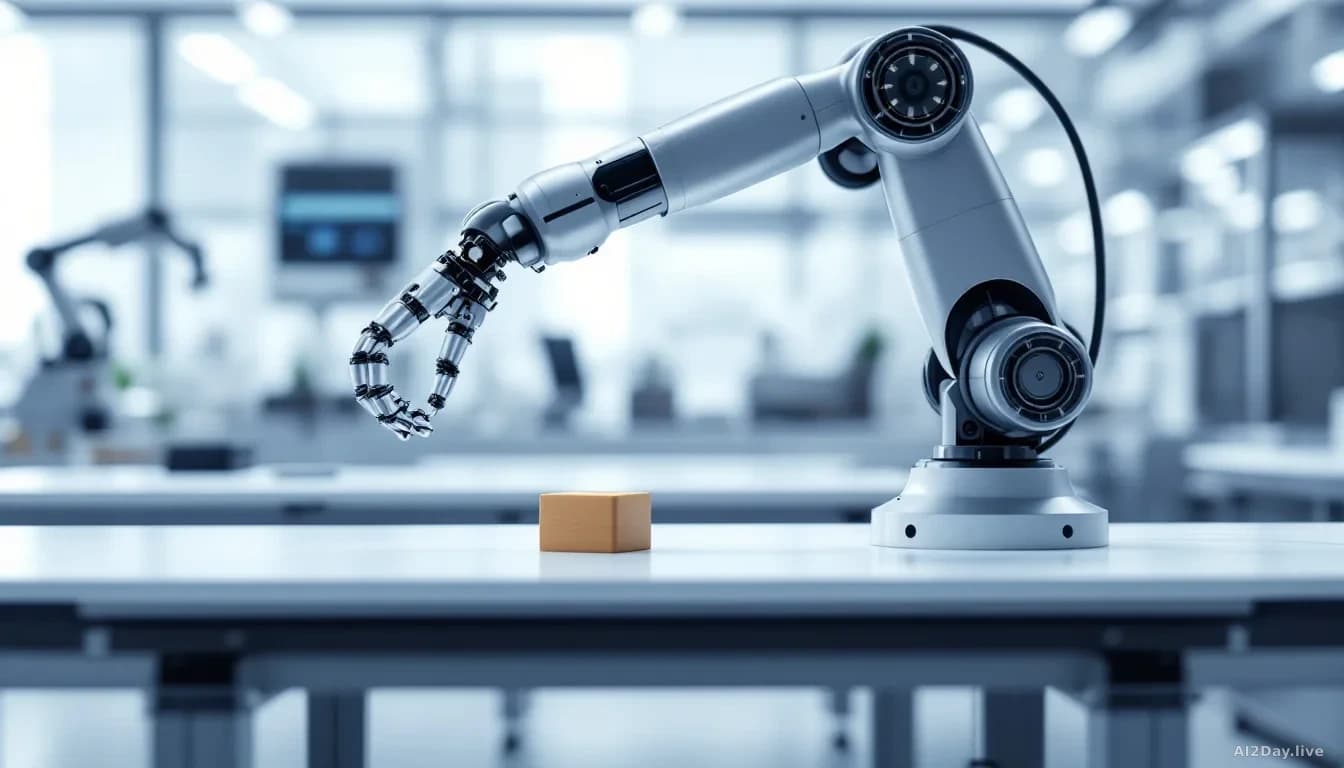
La startup con sede en Pittsburgh reveló recientemente S1, su primer modelo de fundación robótica completo. Un modelo de fundación es un sistema de IA grande entrenado con enormes cantidades de datos variados, el mismo tipo de tecnología que está detrás de ChatGPT. En lugar de construir un sistema estrecho para un trabajo, la idea es un cerebro lo suficientemente flexible para manejar muchos.
¿Cómo funciona realmente el aprendizaje a partir de un único video?
S1 utiliza aprendizaje en contexto: al robot se le muestra un ejemplo en el momento en que necesita actuar, en lugar de pasar por un proceso de entrenamiento separado. El enfoque de Skild es similar a lo que describió Generalist, otra startup de IA física, cuando recaudó casi 200 millones de dólares en agosto, aunque las demostraciones de Generalist utilizaron clips de tan solo tres segundos mientras que Skild apunta a tareas de hasta diez minutos de duración.
"Solo añades un video de un humano haciendo algo en el prompt, también llamado el contexto del modelo, y el robot puede simplemente seguirlo," le dijo Pathak a The Robot Report.
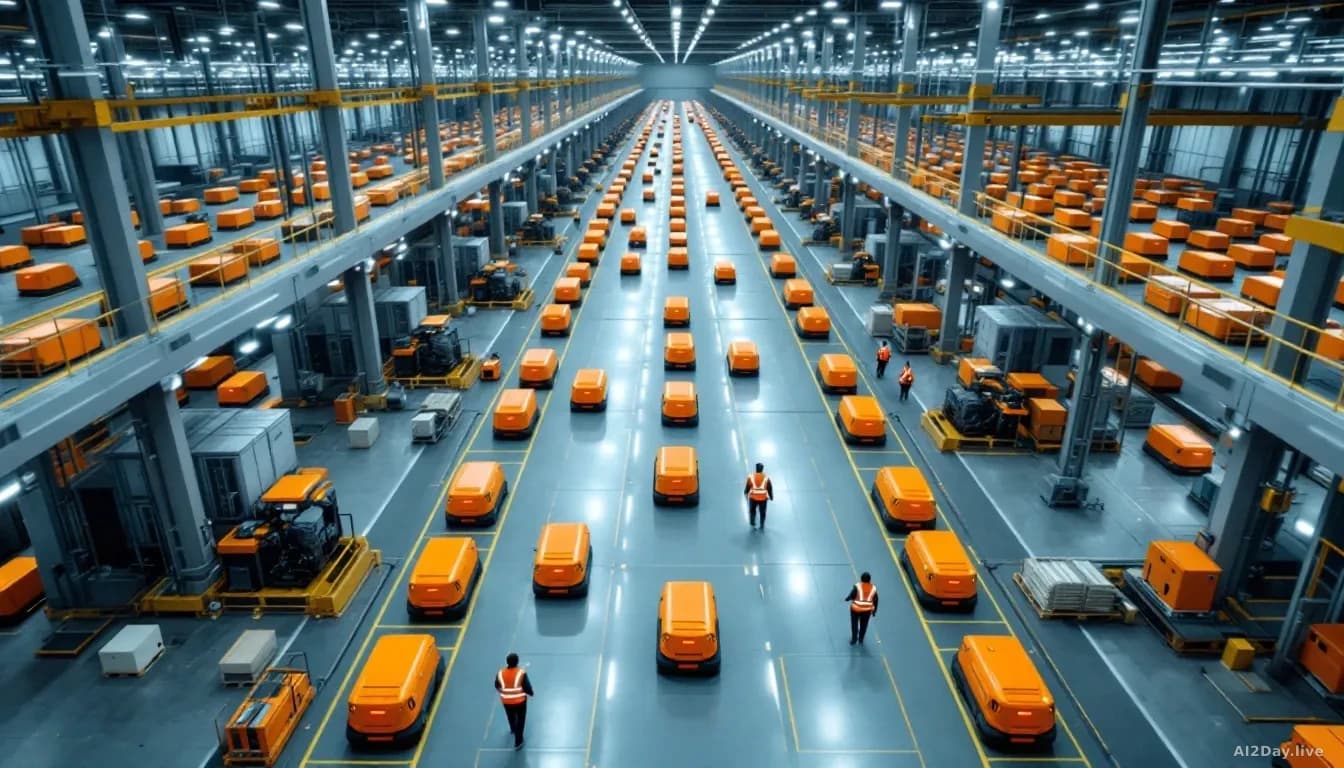
Los trabajos tan largos incluyen trasplantar una planta, preparar café o cocinar panqueques desde cero. Eso es una clase diferente de problema de las rápidas tareas de recogida y colocación que manejan la mayoría de los robots de almacén hoy.
El ejemplo del panqueque es el que vale la pena analizar. Cuando el robot volteó un panqueque, el equipo de Skild buscó millones de horas de datos de entrenamiento para encontrar cualquier movimiento de volteo que lo explicara. No encontraron ninguno. El comportamiento había surgido del modelo observando cómo se mueve una espátula, no de un ejemplo directo.
¿Con qué datos se entrena S1?
La mayoría de las empresas de IA robótica dependen de una fuente de datos principal. Skild utiliza cuatro.
| Fuente | Fortaleza | Debilidad |
|---|---|---|
| Teleoperación (humano controla el robot directamente) | Calidad más alta, directamente del hardware | Lento de recopilar, variedad baja |
| Videos de humanos | Volumen enorme, muy diverso | Difícil de aplicar directamente a cuerpos robóticos |
| Simulación (entornos virtuales) | Económico y escalable | Brecha entre el mundo virtual y el real |
| Guantes de captura de datos | Más escalable que la teleoperación | Ligeramente menos directo que el hardware |
"Los pros de una fuente compensan la desventaja de otra fuente," dijo Pathak. Esa es la versión honesta de un reclamo que suena obvio hasta que consideras cuán pocos equipos realmente lo ejecutan.
S1 también funciona en diferentes tipos de cuerpos robóticos. Pathak dice que el rendimiento humanoide más fuerte es una prioridad para trabajo futuro.
¿Es este el momento en que los robots se vuelven tan útiles como ChatGPT?
Aún no, según la cuenta de Pathak. La IA del lenguaje alguna vez necesitaba reentrenamiento para cada tarea nueva; ChatGPT cambió eso permitiendo que los usuarios simplemente escribieran lo que necesitaban. Pathak ve S1 como el cambio equivalente para robots, pero uno temprano. Nuestra historia de agosto sobre el campo más amplio encontró que los desarrolladores admitían abiertamente que sus robots aún están atrapados en una era previa a ChatGPT, así que el reclamo de Skild cae en un espacio controvertido.
"¿Está completamente listo para ser desplegado en los hogares de la gente? Todavía no. Pero este es el primer signo de lo que creemos que podría venir," dijo Pathak.
Skild adquirió recientemente Fetch Robotics, una empresa con experiencia en despliegue de robots en almacenes operativos, para acelerar esa transición. Pathak dice que S1 ya está ayudando a la empresa a adquirir clientes, con resultados de producción esperados dentro de semanas.
El indicador que importa no es un volteo de panqueque en un laboratorio. Es si S1 se mantiene a través de turnos, a través de operadores y a través del desorden impredecible de un lugar de trabajo real.