500 Delivery Robots, One Seven-Year Deal: How Robot.com Is Betting Big on Campus Streets
The company behind the R-Kiwi sidewalk robot just signed its largest ever contract with food-services giant Sodexo. What it means for college campuses, labor shortages, and the road ahead for delivery machines.
Key points
- Robot.com signed a seven-year commercial agreement with Sodexo Group, its largest single enterprise deployment to date.
- The R-Kiwi sidewalk delivery robot has completed 2.4 million delivery tasks across campuses and city streets.
- More than 500 R-Kiwi robots are deployed, and in the first half of this year the fleet logged a quarter of a million revenue-generating operational hours.
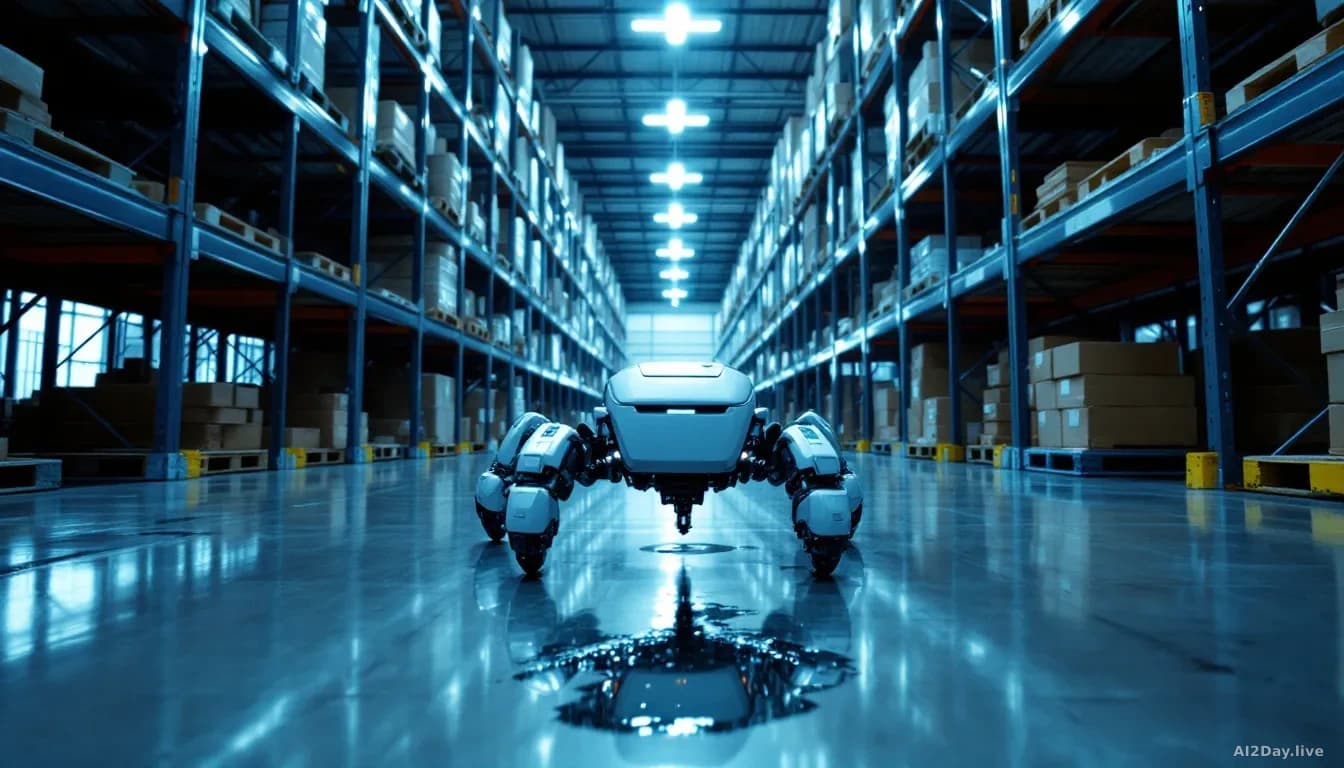
- A four-legged robot called R-Dog is planned to join the fleet, able to climb stairs and drop packages without the recipient opening a hatch.
- Robot.com also plans to expand into industrial settings and humanoid robots, selling to the same campus customer base it already has.
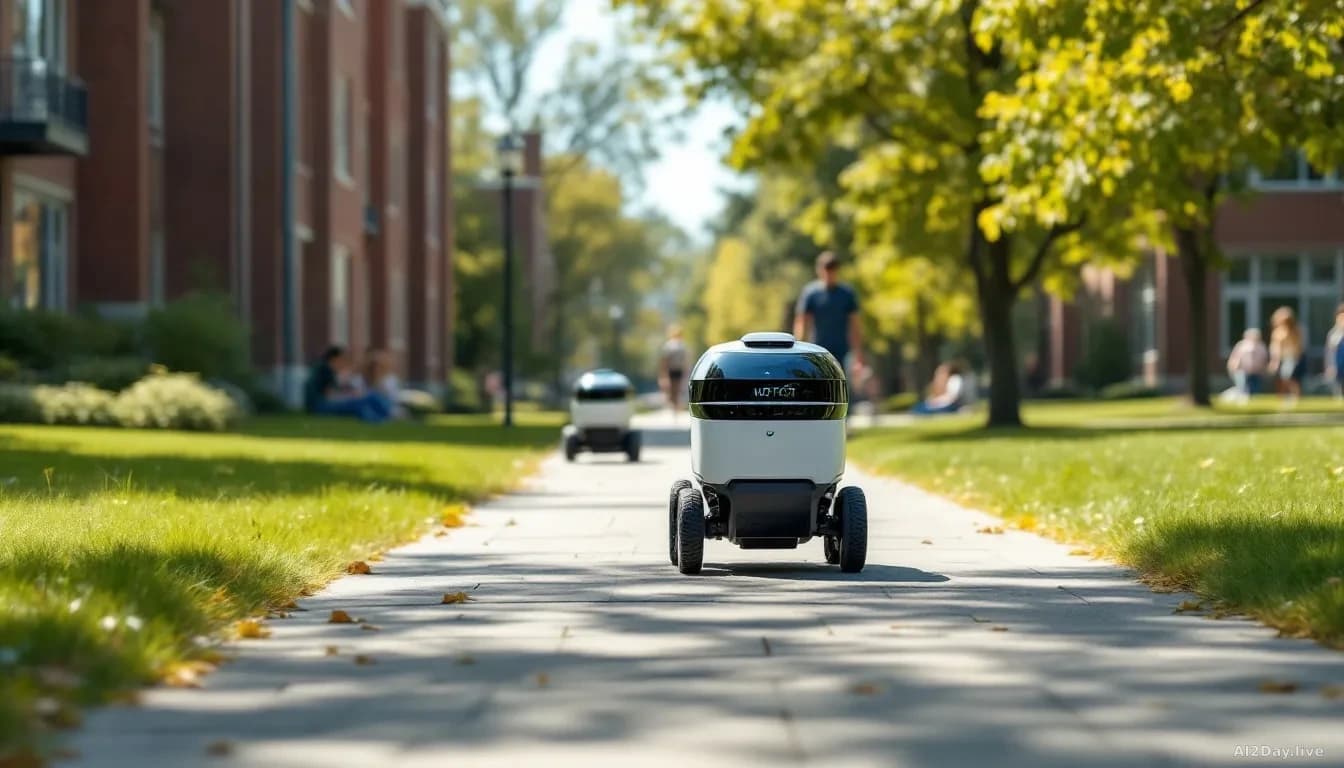
Order a burrito between lectures and a knee-high wheeled box trundles across the quad to deliver it. That is already everyday life on some North American college campuses, and this week it got a longer runway.
Robot.com, a San Francisco company founded in 2017 under the name Kiwibot, has announced a seven-year commercial deal with Sodexo Group, the global food-services company that runs cafeterias and facilities across hundreds of university campuses. The Robot Report first reported the agreement. We covered the wider sidewalk-robot expansion on 19 August 2026, when Serve Robotics was adding cities fast; this deal suggests the campus niche is consolidating around longer, deeper commitments rather than rapid geographic sprints.
Why seven years? That is a long commitment.
Sodexo employs around 400,000 people globally and 120,000 full-time staff in the United States alone, yet still struggles to fill open positions. Robot.com's CEO, Felipe Chavez Cortes, says that labor shortage is exactly why Sodexo is ready for a long-term robotic partnership.
"Seven-year contracts don't come right away," Cortes told The Robot Report. "It was a learning process for both companies on what it takes to implement robotics."
The two organisations have worked together since 2021, giving both sides four years to work out the kinks before locking in a decade-scale commitment. Patience, it turns out, is a competitive advantage in robotics.
What keeps these robots from becoming an expensive science experiment?
The economics of delivery robots have tripped up plenty of companies. Starship Technologies, one of the best-known campus robot operators, recently announced it was pulling back from universities to focus on grocery deliveries instead.
Robot.com's answer is a platform called Remi, short for Robot Implementation Intelligence. Think of it as the operating system behind every robot, mixing navigation software from specialist partners with an advertising layer that lets companies display messages on the robot's screen.
"We can increase our revenue when we mix advertising in, so we don't just get revenue from delivery," Cortes said. That dual income stream is what makes the unit economics work at scale.
Keeping more than 500 machines running also requires layered oversight: staff on location, remote human operators who can take control of a confused robot, and AI agents (software programs that make decisions independently) that flag problems before they cause breakdowns. Robot.com has partnered with specialist firms Field AI and Physical Intelligence to meet its safety targets.
What is coming next for the fleet?
The R-Kiwi is a wheeled box: you walk up, open the hatch, collect your order. R-Dog is a different animal entirely.
The four-legged robot can climb stairs, ride inside autonomous vehicles without any modifications, and drop a package at your door rather than waiting for you to retrieve it. That alone opens delivery to a wider range of items. Beyond R-Dog, Robot.com is developing R-noid, a humanoid robot with a wheeled base and two arms, aimed at the same campus and facilities customers it already serves.
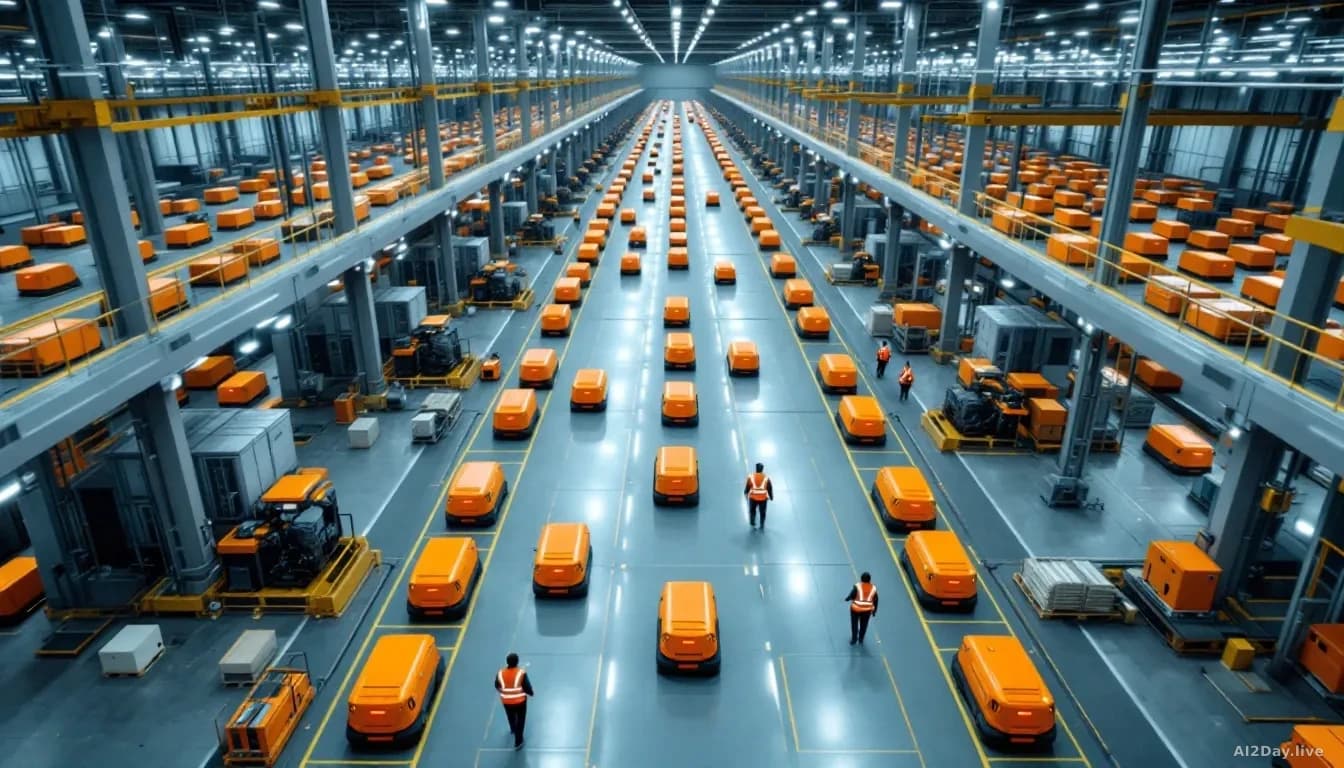
Cortes frames campuses as a training ground, not a final destination. "When we jump into industrial cases, it's actually much easier," he said. Controlled warehouses and factories are a natural next step for technology battle-tested on unpredictable quad paths in the rain. The goal Cortes has set publicly is one million revenue-generating operational hours per year.
For students on campus now, the practical upshot is this: the robot bringing your lunch is not going anywhere, and it is probably bringing a few friends.
Common questions
Do these robots take jobs from human delivery workers?
Cortes argues the robots fill roles that Sodexo cannot hire humans to do, because of genuine labour shortages rather than cost-cutting. The technology supplements existing staff rather than replacing them wholesale, at least in current deployments.
How safe are the robots around pedestrians?
Robot.com uses a layered safety approach combining on-site staff, remote human operators who can take control instantly, and AI monitoring software. The company has also brought in external specialist firms to hit its safety benchmarks as it moves into more complex environments.