OpenAI's First Hardware Product Is a $230 Button Pad for Its AI Coding Tool
The Codex Micro puts physical controls on your desk to manage AI-driven coding tasks. It is not the secret Jony Ive device everyone has been waiting for.
Key points
- OpenAI and keyboard maker Work Louder released a physical control pad called Codex Micro on sale in 2025 for $230.
- The device is designed for OpenAI Codex, an AI-powered coding assistant that can write, edit and run code on a user's behalf.
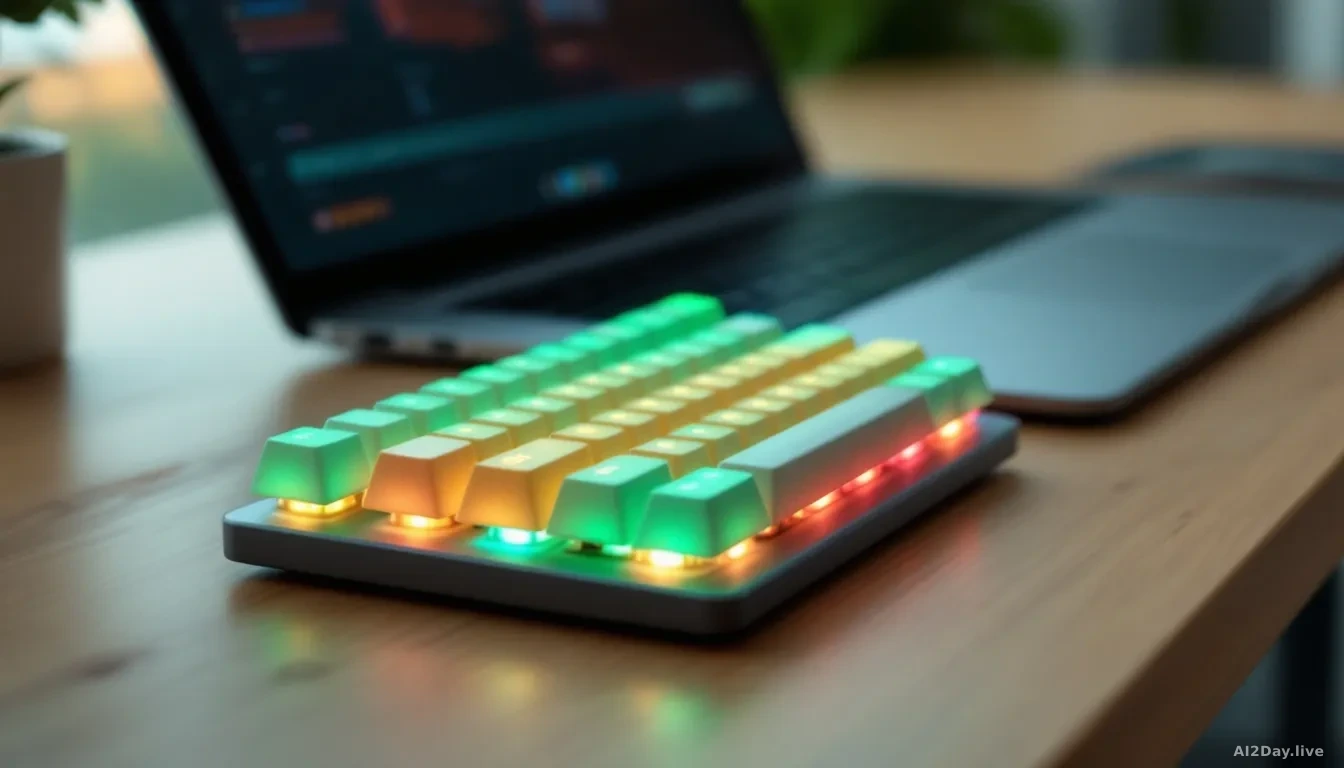
- Six frosted keys on the pad change colour to show whether an AI coding task is running, complete, needs feedback, or has hit an error.
- The Codex Micro is a limited-edition run with no confirmed unit count.
- This product is separate from OpenAI's larger, still-secret hardware project with former Apple designer Jony Ive.
OpenAI has just released its first physical product, and it is smaller and stranger than most people expected.
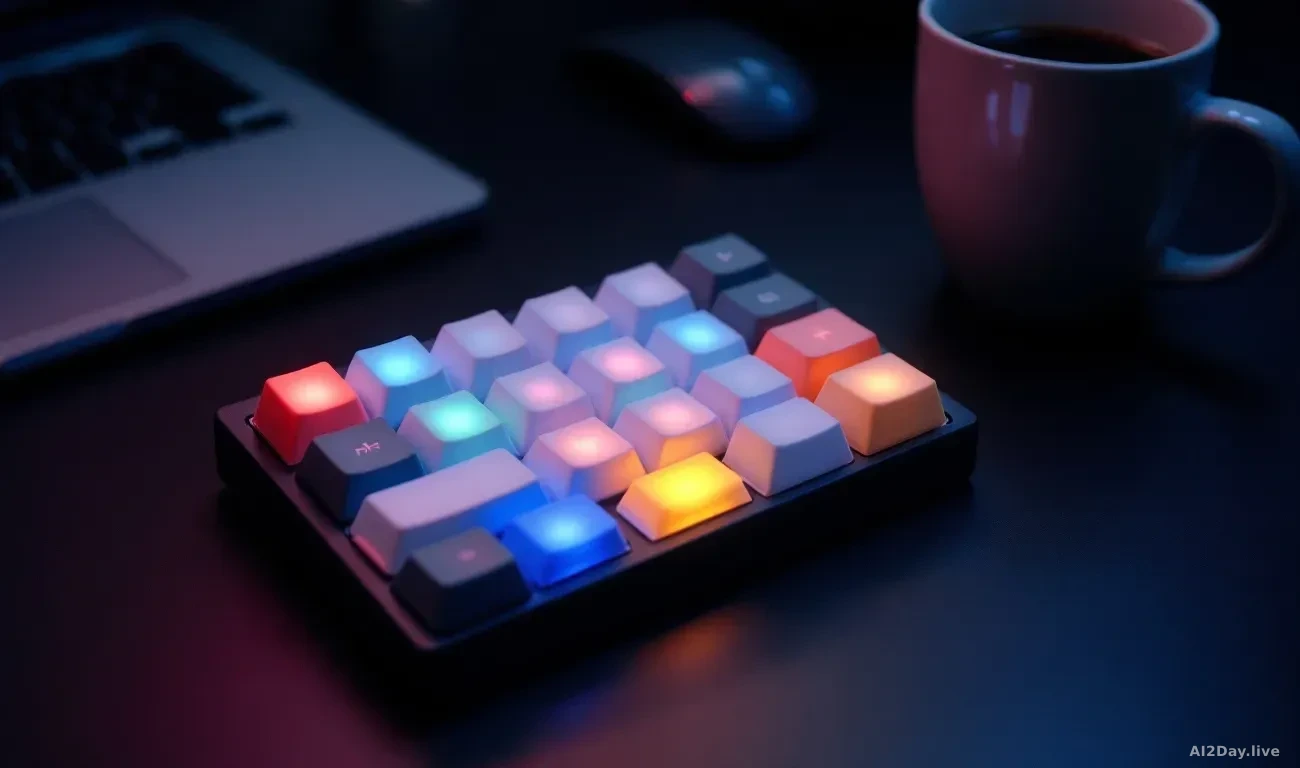
The company teamed up with keyboard maker Work Louder to produce the Codex Micro, a square block of mechanical buttons, a joystick, a dial, and a touch sensor. It goes on sale through Supply Co for $230, while stock lasts.
The pad is built for people using OpenAI Codex, an AI coding assistant, which is software that can write, test and fix code automatically without the user typing every line themselves. Codex can run multiple tasks at once, called "threads," and keeping track of them all inside a browser window gets messy fast.
That is the problem the Codex Micro tries to solve.
Six of its frosted keys act as a live status board. Each key glows a different colour depending on what the AI is doing: green for finished, amber for waiting on your feedback, blue for still running, red for an error. A glance at your desk tells you where things stand.
The remaining keys can be set to common actions. Push-to-talk. Accept or reject a change the AI proposed. Send a message. The joystick kicks off preset workflows, and the dial adjusts what Work Louder cofounder Mike Di Genova calls "reasoning level," meaning how deeply the AI thinks through a problem before answering. All of it is configurable through the ChatGPT desktop app.
The design closely mirrors Work Louder's existing Creator Micro 2 pad, and marketing photos show what looks like an identical 13-switch layout. Work Louder built a similar pad for design tool Figma back in 2023, first reported by The Verge AI.
Who would actually buy this?
Professional software developers who spend hours a day inside Codex are the clear target. For them, switching attention between a coding editor, a chat window, and several AI tasks running in parallel is genuinely painful. A physical board that shows task status at a glance, the way a pilot reads instrument dials without looking away from the runway, could save real time and reduce mistakes.
For everyone else, $230 is a steep ask for a niche peripheral tied to one platform.
OpenAI has not said how many units exist, so interested buyers should move quickly if they want one.
Finally, a note on what this is not. OpenAI is separately developing a consumer hardware device with former Apple designer Jony Ive. Reports suggest it will be a kind of smart speaker for talking with ChatGPT, with a possible launch next year. That project is currently tangled in a lawsuit: Apple filed a suit this week alleging OpenAI improperly obtained hardware trade secrets, a claim OpenAI says has no merit. The Codex Micro is unrelated to that device.