#Apple ML Research
45 stories taggedApple ML Research.

AI Agents Could Soon Tidy Up Their Own Memory Mid-Task
A new system from Apple ML Research lets an AI agent decide for itself when to compress its own working memory, stopping it from forgetting important details at the worst possible moment.

AI Translation Judges Struggle With the Same Errors Human Reviewers Do
A new study from Apple ML Research finds that large language models are only a partial replacement for human graders when checking the quality of machine-translated text, with both groups stumbling on the same hard cases.

Apple researchers built a smarter way to train AI agents. Here is why the boring details matter.
A new training method from Apple ML Research teaches AI agents to focus on the lessons they have not learned yet, skipping exercises that are too easy or too hard. It's quietly important for anyone who cares about where general-purpose AI is heading.

Apple Researchers Let Ordinary People Train Their Own AI Models. What They Found Was Surprising.
A new Apple ML Research study gave people real control over personalised AI, then watched what happened when the system's assumptions didn't match their lives.

Apple Researchers Taught an AI to Learn From Its Own Failures by Writing Itself a One-Line Memo
A new technique called RLTL;DR lets an AI model summarise why it failed, then carry that lesson into its next attempt. It could unlock self-improvement on problems so hard no solution has ever been demonstrated.
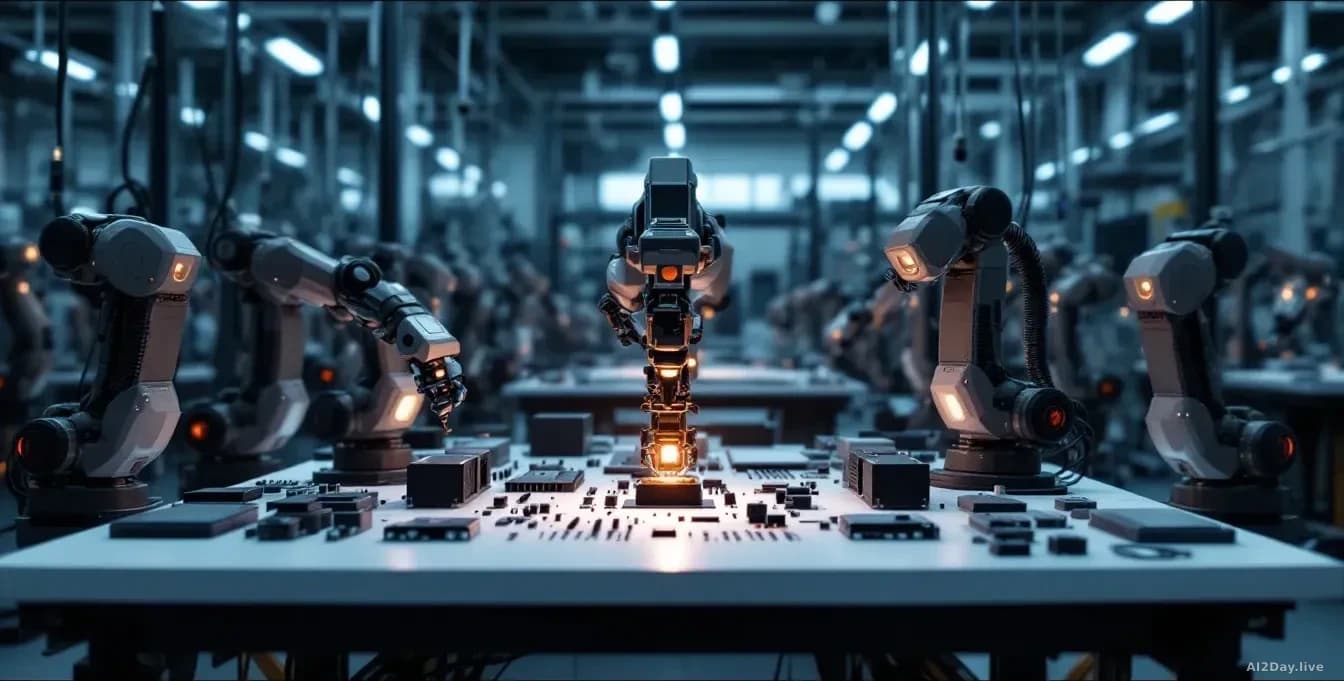
Apple Asks Whether AI Coding Agents Actually Need All That Extra Machinery
New research from Apple ML Research finds that a single, well-trained AI agent given direct access to a computer can match or beat far more complex multi-agent systems on real machine learning tasks.

When AI talks to AI, how much meaning survives the journey?
New research from Apple ML Research ran a controlled test to see how well language models pass precise information through plain words. The results expose a gap that matters for anyone building AI systems that need to work together.

Apple researchers say bad training paths, not weak models, are why fast AI text generation keeps failing
Apple ML Research argues the flaw in distilled text generators sits in the routes a teacher model records, before the student ever sees them.

Apple researchers found a smarter way to train AI language models that generate text step by step
A new technique called DACA-GRPO fixes two long-standing flaws in how diffusion language models learn from feedback, potentially making them a stronger rival to the AI systems that power today's chatbots.

Your AI Chatbot Is Trained to Be Nice. That Might Be the Problem.
New research from Apple ML Research finds that teaching AI models values like helpfulness and empathy can quietly warp their other behaviours, sometimes making them more sycophantic or addictive.

Apple's AI Designs Proteins by Learning Sequence and Shape at the Same Time
A new model from Apple ML Research skips the usual two-step training process and generates both the chemical sequence and the 3D shape of proteins together, which could shorten the path to new drug candidates.

DiscoSign Wants Sign Language Translation to Actually Follow a Conversation
Apple ML Research built DiscoSign to handle the discourse elements that sentence-by-sentence systems routinely drop.

Apple Researchers Built a Better Way to Judge AI Video Captions
A new method from Apple ML Research scores video captions on what they actually get right, not just whether they use the same words as a human writer.
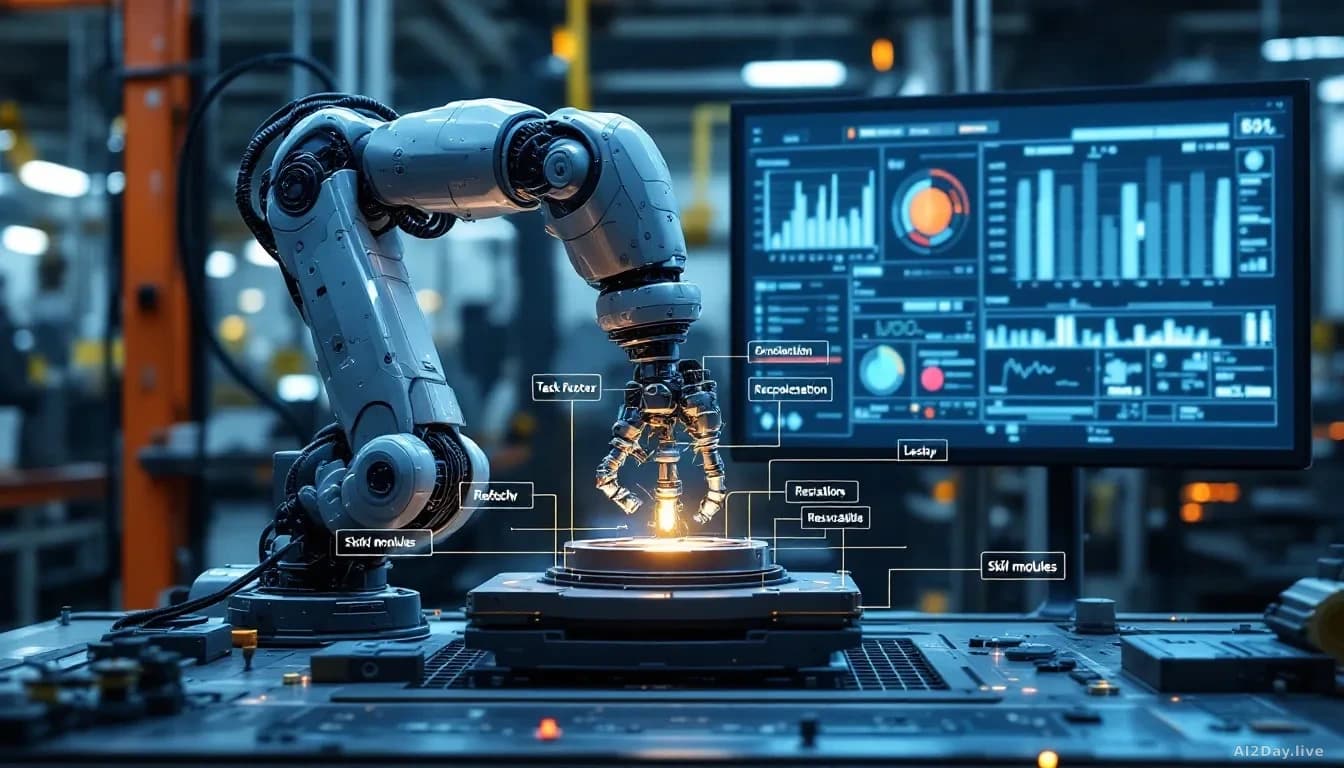
Robot Brains Get a Skill Library: New AI Lets Machines Break Big Tasks Into Reusable Steps
A research system called REFACTOR-VLA teaches robot AI to organise its actions into named, repeatable skills, rather than making everything up on the fly. The result: robots that handle longer, more complex tasks and are far easier for humans to understand.

Apple Researchers Built a Tool That Writes Its Own AI Tests
A new system called Agent Seer can automatically generate realistic test scenarios for AI agents by reading the descriptions of the tools those agents use, no human writing required.