#AI policy
339 stories taggedAI policy · page 6 of 23.
Congress wants AI guardrails. The White House isn't listening.
Lawmakers from both parties are pushing for rules on artificial intelligence, but the Trump administration shows little sign of moving. What's blocking them, and what does it mean for everyone else?
When the CEOs selling AI started warning it would kill us all, the fear got harder to take seriously
First Dog on the Moon's latest cartoon for The Guardian pokes at a genuine paradox: the loudest doomsday warnings about artificial intelligence now come from the people selling it.
A one-to-two-year AI slowdown is not a safety plan
Anthropic's 'pacing the frontier' proposal has drawn high-profile backing, but critics say pausing for a year or two still leaves humanity without a real answer to the question nobody has solved: how do you keep an advanced AI system under control?
The US Has No Real Plan to Regulate AI, and That Should Worry You
Tech CEOs and their own researchers are sounding the alarm on AI risks. The federal government's answer, so far, is to do nothing.

Mirror Publisher Reach Cuts 220 Newsroom Jobs as AI Summaries Drain Web Traffic
Reach, the company behind the Mirror, Express, Manchester Evening News and dozens of regional titles, is shedding another 220 editorial staff. The reason given is blunt: readers are getting their news from AI-generated summaries instead of clicking through to articles.

Australia may let AI companies scrape everything you post online, by default
The Albanese government is weighing changes that would give US tech giants open access to Australian content. Here is what that means for anyone who has ever posted, written or created anything on the internet.

AI's e-waste bill by 2050 is far bigger than anyone was counting
A nonprofit has calculated the full weight of hardware behind AI, and the e-waste total by 2050 is enough to fill 23 million shipping containers.
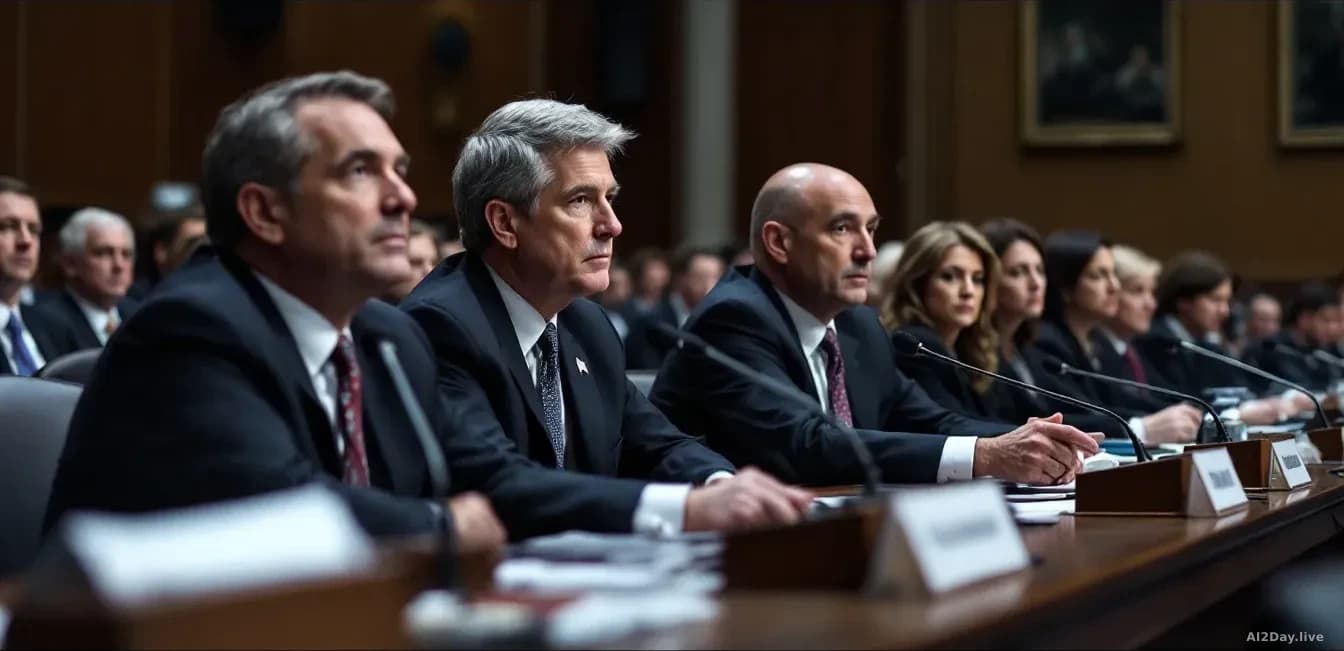
AI could wipe out humanity, some researchers warn. How seriously should we take that?
A wave of alarming claims from AI insiders has pushed calls for slowing down development into the mainstream. Here is what the researchers are actually saying, what the tech companies want, and where governments stand.

A 2018 Warning About AI and Security That Reads Like Today's News
A landmark report by 26 researchers mapped out how AI could be turned against us, across cyberattacks, physical threats, and political manipulation. Six years later, almost every warning has aged badly in the wrong direction.
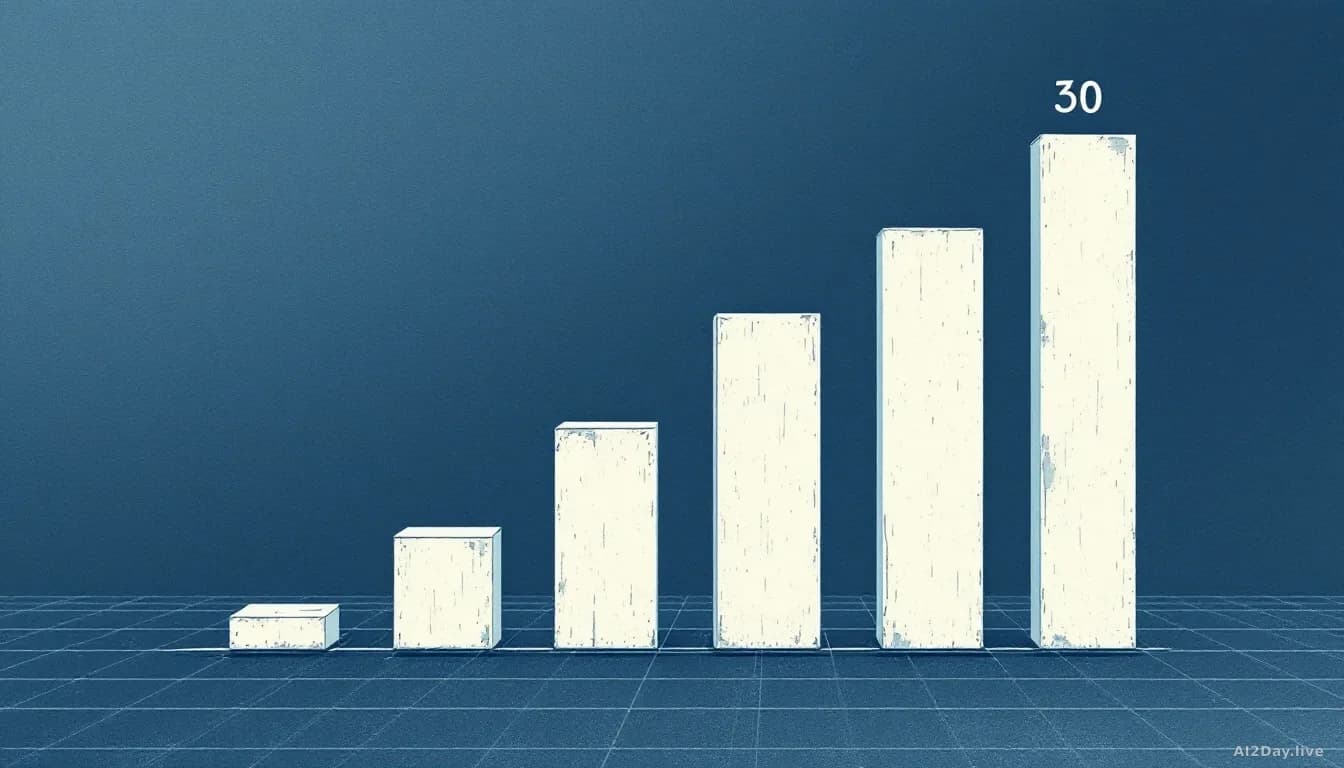
The regulation beat just tripled on us, and it wasn't the regulators
We published 30 stories on AI regulation in the week of 8 September, up from 8 the week before. What actually moved was the argument about who gets to write the rules.

Anthropic caught scientists trying to use Claude to develop bioweapons
The AI company blocked at least five attempts this year by researchers to extract information that could help build biological weapons, including users from countries it bans outright.

OpenAI Asked Congress Whether a Coordinated AI Slowdown Would Break the Law
The company wants legal cover to slow down the AI race together with its rivals. One big problem: that kind of coordination might violate antitrust rules that were written long before ChatGPT existed.

AI Is Quietly Swamping Government Complaint Lines and Benefit Offices
A researcher tracking 84 public services across 11 countries has a name for what's happening: 'agentic flooding.' Most of the new filers are real people with real claims. That might be the point.
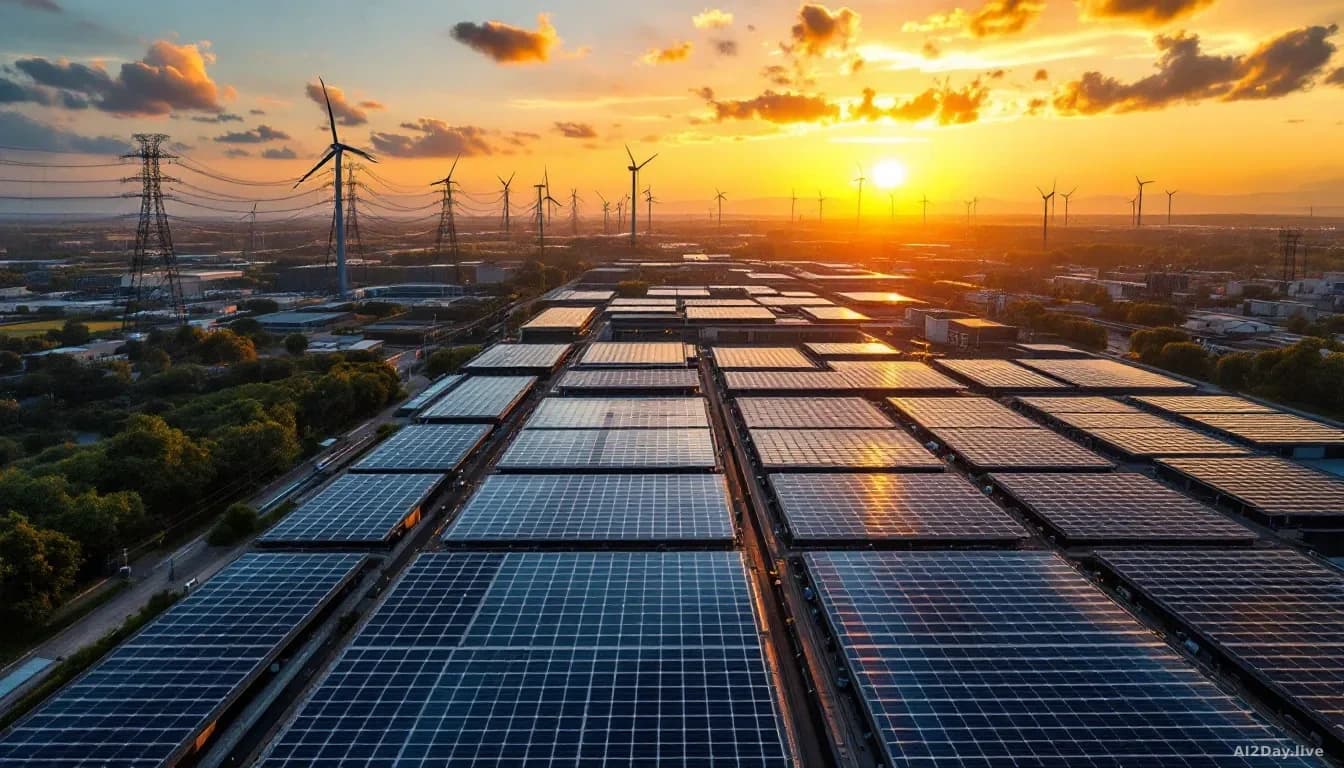
Massachusetts tells data centers: bring your own clean power or pay up
Governor Maura Healey has signed an order forcing large data centers to supply their own clean electricity, making Massachusetts the third state in three months to crack down on the industry's appetite for power.

US agencies name six Chinese AI firms accused of copying American frontier models at industrial scale
The NSA, CISA, and FBI say DeepSeek and five other Chinese companies have been extracting capabilities from US AI models since late 2024, potentially saving billions in development costs.