Red State Voters Are Protesting AI Data Centers, and It's Scrambling American Politics
A unanimous vote in Hernando County, Florida to halt new data center construction is one sign of a spreading, bipartisan anger at the buildings powering the AI boom.

Key points
- Hernando County, Florida's county commission voted unanimously in 2025 to impose a one-year ban on new data center construction.
- A conservative grassroots group called Humans First organised the local protest, with roots in the original Tea Party movement.
- Opposition spans left and right, driven by concerns about groundwater pollution and the AI products data centers produce.
- PFAS, long-lasting synthetic chemicals nicknamed "forever chemicals" because they break down extremely slowly, featured heavily in residents' complaints about water safety.
- The Verge's Gaby Del Valle, who attended the Hernando County protest, argues this is a preview of how data center politics could shape the 2026 midterm elections.
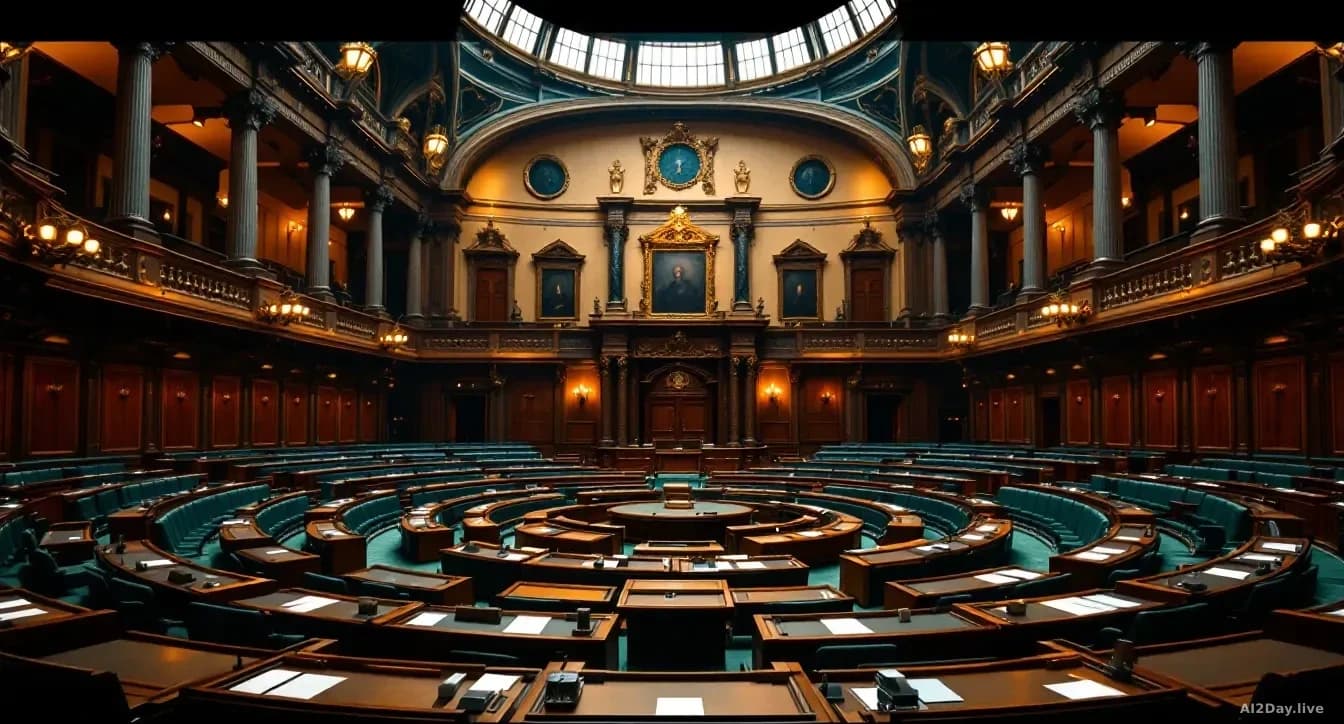
The building looks like any other giant warehouse. No logo, no foot traffic, just humming cooling units and a chain-link fence. Across America, those buildings are becoming lightning rods for public anger at artificial intelligence, and the people showing up to fight them don't fit any tidy political box.
Last month, Hernando County, Florida made that clear. The county commission voted unanimously to freeze all new data center construction for a full year. A group called Humans First, a conservative grassroots organisation that grew partly out of Tea Party networks, organised a protest drawing residents with a striking range of grievances. As we reported on 23 July, the opposition crosses party lines in ways that would have seemed unlikely two years ago.
Why are ordinary people so angry about warehouses?
Residents aren't really angry about the buildings. They're angry about what the buildings represent and what they do to the land around them.
In Florida, locals cited humidity, arguing it makes no practical sense to cool and dry out a building in one of the most humid states in the country. Groundwater contamination came up repeatedly, along with worries about PFAS, the forever chemicals that can leach into drinking water from industrial sites. In Arizona, where separate protests have flared, residents make the mirror-image argument: the desert is too dry and water too scarce.
Whatever the local climate, the conclusion is the same. People feel a large, expensive piece of infrastructure is being dropped into their community without their meaningful consent, and local planning meetings have become one of the few places they can formally say no.
Is this really a left-right issue?
No, and that's what makes it politically interesting. The divide isn't Democrat versus Republican. It's closer to populist versus technocrat.
At pro-technology conferences, centre-left and centre-right voices have largely aligned behind AI expansion and nuclear power. On both the hard left and the populist right, distrust of large tech build-outs runs deep. Diehard Trump voters in Florida are now raising concerns about water quality and chemical dumping that would normally be labelled progressive causes.
The organiser of Humans First was an early figure in the Tea Party movement. That context matters. Economic anxiety plus a sense of powerlessness, pointed at the nearest visible symbol of a force reshaping lives without asking permission first.
What does any of this have to do with AI chatbots?
Quite a lot. Data centers are the physical homes of AI systems, including large language models, the technology behind chatbots like ChatGPT. When residents say they oppose a data center, many are also saying they oppose the outputs those buildings make possible.
Verge reporter Gaby Del Valle, who attended the Hernando County protest, heard stories of people whose relationships fractured after a friend was told by an AI chatbot to end contact with them. Others described loved ones adjusting medication based on chatbot advice. These personal stories sit alongside broader frustrations: AI-generated content flooding feeds, white-collar jobs at risk, and a sense that wealth flows upward while the noise, heat and chemicals stay local.
One separate data center project in Tucson drew opposition partly because the facility may serve Amazon Web Services, which holds contracts with U.S. Immigration and Customs Enforcement. A different complaint from water contamination, but it came from the same community meeting.
What happens next?
Hernando County's moratorium is one vote in one county. Del Valle's reporting suggests it signals a pattern that could shape the 2026 midterms.
Here's what the tech industry didn't plan for: the moment physical buildings become the stand-in for fears about AI, any politician approving a new facility has to answer for groundwater and jobs alongside the ethics of the technology inside. That's a fight the industry is losing before it has even started. Watch whether other counties follow Hernando's lead before the moratorium expires.