Why Silicon Valley Still Does Not Understand the AI Backlash
More than half of Americans under 30 are more worried than excited about AI. Tech CEOs are diagnosing the wrong problem, and ordinary people are starting to notice.
Key points
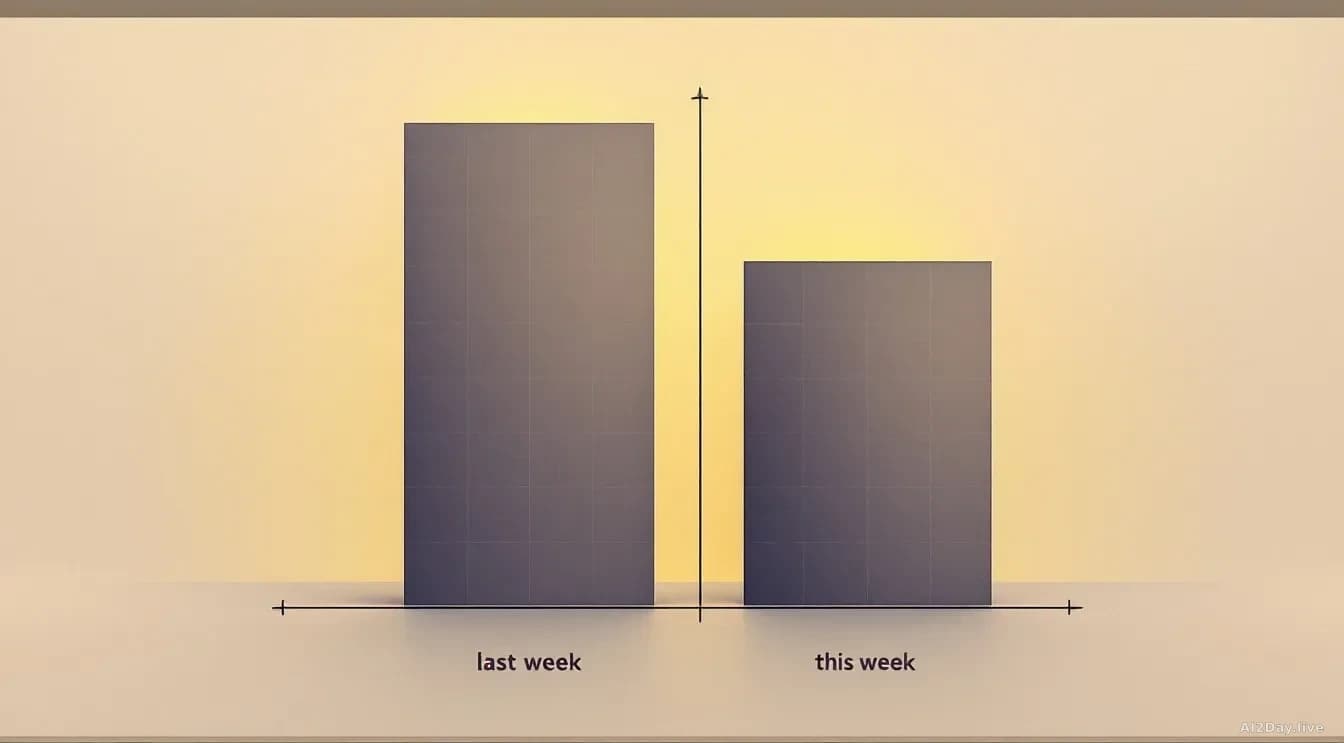
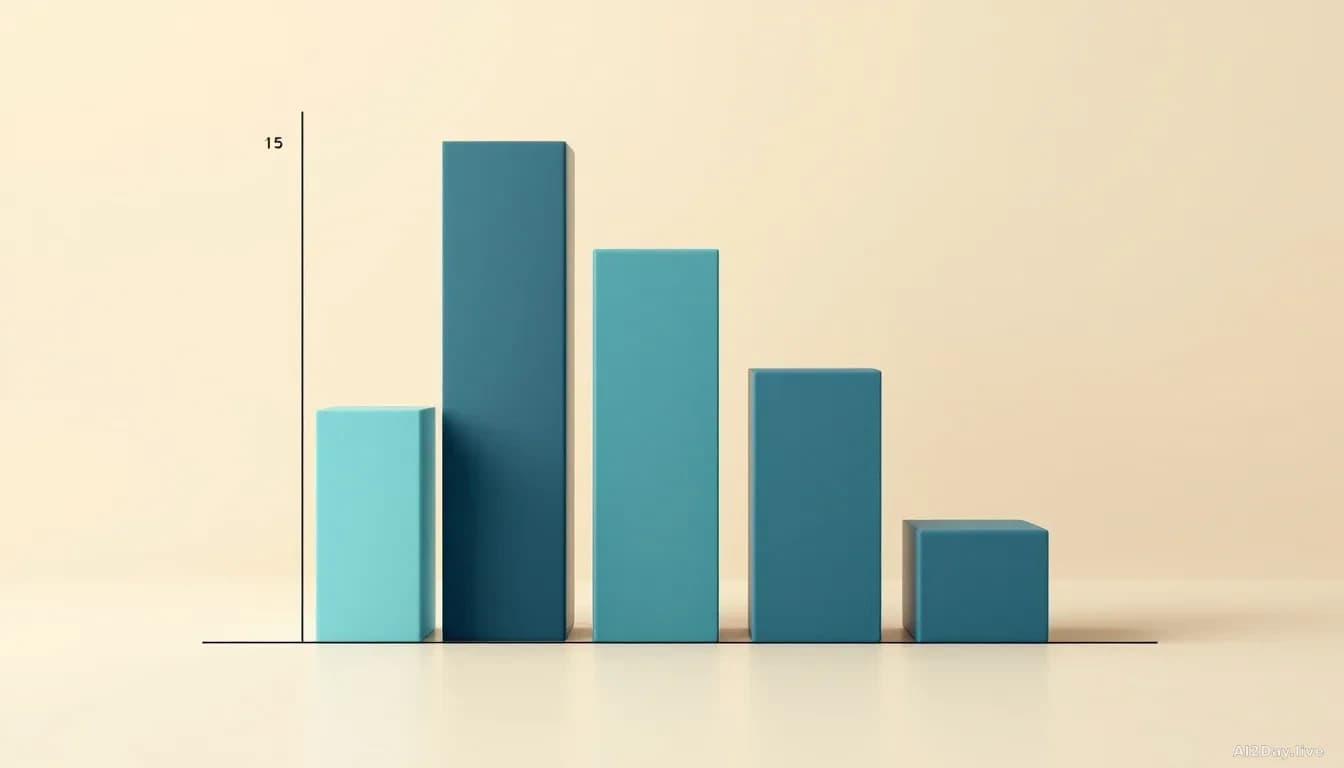
- A Pew Research Center survey published this week found that more than half of adults under 30 feel more concerned than excited about AI, a figure that has risen 24 percent over five years.
- Over 70 percent of adults polled across all age groups believe AI will lead to fewer jobs.
- Meta CEO Mark Zuckerberg published a 6,500-word essay this month describing a future where everyone has a personalised AI assistant.
- Anthropic CEO Dario Amodei says the backlash is "fundamentally a crisis of trust," not a messaging problem.
- Research from the Searchlight Institute found that changing how AI companies frame their message made little difference to public opinion.
Americans are not warming up to artificial intelligence. They are pulling back.
The Pew numbers tell the story plainly: a majority of adults under 30 now feel more concerned than excited about AI, with that share climbing 24 percent across five years. Seven in ten adults, regardless of age, expect the technology to cost people their jobs. These are not fringe positions.
What are tech leaders actually saying?
Zuckerberg and Amodei are both talking past the problem, in different directions. Zuckerberg's 6,500-word essay, published earlier this month and examined closely here on AI2Day on 10 August, painted a vision of a personal AI assistant that knows you intimately and helps with your career, hobbies, even raising your children. Amodei, whose company Anthropic builds the Claude family of AI models, responded to his critics by blaming a decades-long collapse in public confidence toward corporations generally.
Both men are partially right. Amodei's instinct that this is a trust problem tracks with the data. But his follow-up claim, that the real failure is AI companies not yet curing cancer, a goal he has previously called realistic, misses the point entirely. People are not angry about promises that have not arrived. They are reacting to changes that are already here.
What is actually driving the backlash?
The concerns stretch well beyond jobs. Polling cited by Wired AI shows Americans worry that AI will damage young people's ability to form real relationships, weaken students' critical thinking, and that tech companies owe compensation to the writers and musicians whose work trained these systems without consent.
Data centres, the large buildings packed with specialised computers that run AI systems, have become a flashpoint. A recent ad campaign for two beverage brands, featuring former NFL player Jason Kelce, invited people to mail urine to AI data centres. Their creative lead told Marketing Dive that data-centre anger is "literally the one thing that unites all Americans right now." Dark comedy, yes. Also a data point worth taking seriously.
Tech companies have tried to soften that story with pledges on clean energy and responsible water use. The Searchlight Institute found those reframes barely moved public opinion.
What does this mean for ordinary people?
If you use AI tools at work, this tension has practical consequences. Products that people distrust get abandoned or regulated. Our reporting on 19 August found the signals stacking up across Pew surveys and political memos alike: public trust in AI is falling, not rising.
The gap between what AI companies promise and what everyday people experience is real. No optimistic essay closes it without concrete action on jobs, data privacy, creative rights. Read the Pew numbers, not just the CEO letters.