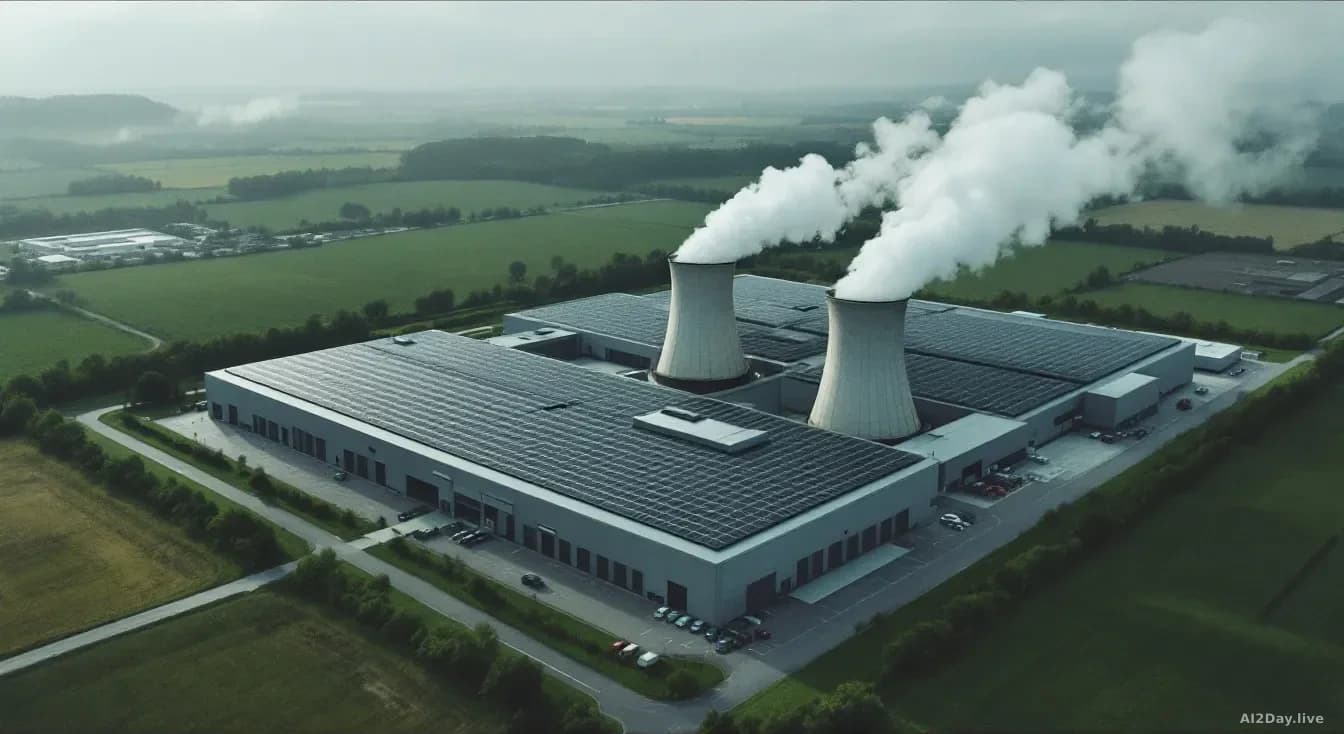
UK data centres will create far fewer jobs than the tech industry claims, new research finds
An environmental thinktank puts the likely job total at 10,400, roughly a quarter of the 40,000-plus figure the industry lobby has been promoting.

Key points
- Environmental thinktank Verdant estimates UK data centres will directly employ 10,400 workers in total, not the 40,000-plus the industry lobby projects.
- Industry group TechUK's jobs figure is roughly four times higher than Verdant's independent estimate.
- The research also flags heavy energy consumption by the planned facilities as a separate concern.
- The gap matters because job-creation numbers are frequently used to justify planning permissions and government subsidies for data centres.
A new analysis puts a much smaller number on the jobs boom that the UK tech industry has been promising from data centres, the large warehouse-like buildings packed with computer servers that store and process data for everything from streaming services to AI systems.
The environmental thinktank Verdant looked at all the data centre projects currently planned for the UK. Its conclusion: those facilities are likely to directly employ around 10,400 workers once built and running.
That figure is roughly a quarter of the number the industry has been quoting publicly.
TechUK, the lobby group that represents technology companies, has cited projections of more than 40,000 jobs from the same pipeline of projects. Verdant's research, first flagged by The Guardian, suggests that figure may be overstated by a factor of four.
Why does the gap matter?
The difference is significant because job numbers shape real decisions. Local councils, national planners and government ministers frequently weigh promised employment against concerns like land use, energy demand and environmental impact when deciding whether to approve a new data centre or offer public support to attract one.
If independent estimates are closer to accurate, communities near proposed sites could end up with far fewer permanent local jobs than they were led to expect.
Verdant's research also highlights the energy appetite of these facilities. Data centres run around the clock and require enormous amounts of electricity to power servers and keep them cool. As AI workloads grow, that demand is rising sharply, putting pressure on the national grid and on climate targets.
What does the industry say?
TechUK's higher figure likely reflects a broader definition of job creation, counting indirect roles in supply chains and construction alongside permanent on-site positions. Direct employment at a data centre, once built, is typically modest: a relatively small team of engineers and technicians can manage a very large facility.
Neither side's methodology has been independently peer-reviewed and published in an academic journal, so both figures should be treated as estimates rather than settled fact.
What does this mean for ordinary people?
If you live near a proposed data centre site, or your local council is weighing one up, these numbers are worth knowing. A facility that promises 500 permanent jobs and one that promises 50 are very different proposals, even if the energy costs and planning disruption look the same.
The broader lesson: when a technology project arrives with large headline jobs figures, it is worth asking whether those are direct, permanent roles on site, or a wider total that bundles in construction workers and distant supply-chain estimates.