Screen-Free Wearables Are Booming, and AI Is Both the Reason and the Cure
A new wave of trackers collects your health data without demanding your constant attention. AI helped create the problem they're trying to solve, and it may also be what makes them actually useful.

Key points
- Garmin, Google Fitbit, Polar and Amazfit all now sell screen-free health trackers, as does Whoop, with Apple reportedly considering its own version.
- Whoop launched the first major screen-free wearable in 2015 and now charges a $199 annual subscription aimed at general consumers, not just elite athletes.
- Google's Fitbit Air shows basic stats for free but charges $10 a month for AI-generated plain-English explanations of your health data.
- Researcher Elizabeth Marsh at the University of Nottingham found that information overload and FOMO correlate with lower wellbeing and higher stress.
- AI assistants built into smartwatches and work tools are a central reason many people now feel overwhelmed by their devices.
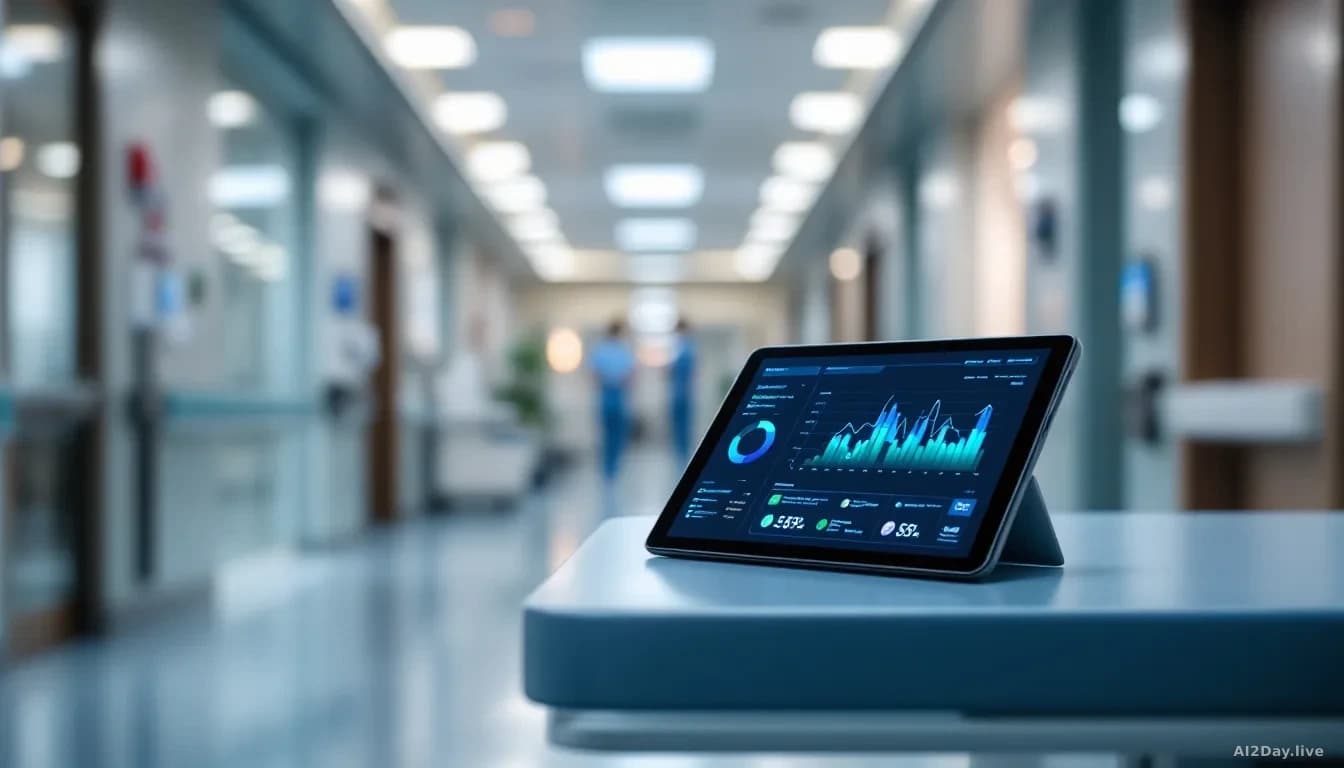
The newest thing in health trackers is a tracker you're meant to forget is on your wrist. No screen. Nothing buzzing. Just a band that quietly logs your heart rate, sleep and activity around the clock, then hands everything to a phone app whenever you choose to check it.
Garmin, Google Fitbit, Polar, Amazfit and Whoop all sell versions of this idea. Bloomberg reports Apple is studying one too. These aren't stripped-down cheapies. They're deliberate, designed to disappear from your awareness for hours at a time.
Why is this happening now?
A lot of people are exhausted by their gadgets. That's the short answer.
Wired reviewer Andrew Williams traces a decade of screen creep: fitness trackers that grew OLED displays, then email alerts, then AI voice assistants baked right into the watch face. Each feature individually seemed reasonable. Together they turned a step counter into something that demands your attention dozens of times a day.
Elizabeth Marsh, a doctoral researcher at the University of Nottingham who studies digital workplaces, has a name for what follows: technostress. Her research found that digital notifications trigger information overload, constant interruption and blurred boundaries between work and personal time. One participant described feeling "on edge" because of notifications. Another felt angry at senders, then guilty for not replying instantly.
Switching notifications off didn't fix things either. People worried they'd miss something important.
Screen-free wearables land in that gap. You still get your sleep score and step count. They're just not pushed at you all day. Our earlier piece on why digital abundance so often leaves people feeling hollow, from 26 July 2026, is a useful companion read to what Marsh's work describes.
Where does AI fit in?
AI pulls in two directions here.
On the pressure side, AI tools built into work software are asking employees to do more, faster. Several people told the Wired reporter that recent annual appraisals included targets for AI use in their daily workflow. That adds another layer of digital demand on top of the notifications already competing for attention.
On the helpful side, AI is what could finally make health data legible to ordinary people. Raw numbers like VO2 max (a measure of how efficiently your body uses oxygen during exercise) or heart-rate variability (how much the gap between heartbeats changes, used as a stress marker) have always baffled most users. Google's Fitbit Air addresses this with AI-generated text explanations that turn charts into plain paragraphs.
That feature sits behind a $10-a-month subscription called Google Health Premium. The free version shows the data; the paid version explains it.
Peter Richardson, vice president and co-founder of technology research firm Counterpoint Research, told Wired that AI in health monitoring is "still at the early stage of development" but will likely become far more capable as the technology matures.
Whoop, which pioneered this category in 2015, now pitches its $199-a-year band to anyone who wants to "sleep, train, and feel" better. A decade ago its own marketing called it a system "exclusively designed for elite athletes and teams." That shift says as much about where the market has moved as any product launch does.
What should you watch for?
If you're considering one of these devices, a few practical things matter.
The free tier often shows you numbers without helping you understand them. Know whether you need that explanation layer before paying for a subscription. Health data collected around the clock is genuinely sensitive, so check what the company does with it before you commit.
Here's the honest judgement from this beat: screen-free wearables are a real and sensible response to a real problem, but no tracker fixes the underlying pressure. If your workplace keeps piling on digital demands, a quieter wristband helps at the margins. The notifications on your phone and laptop remain exactly where they were.