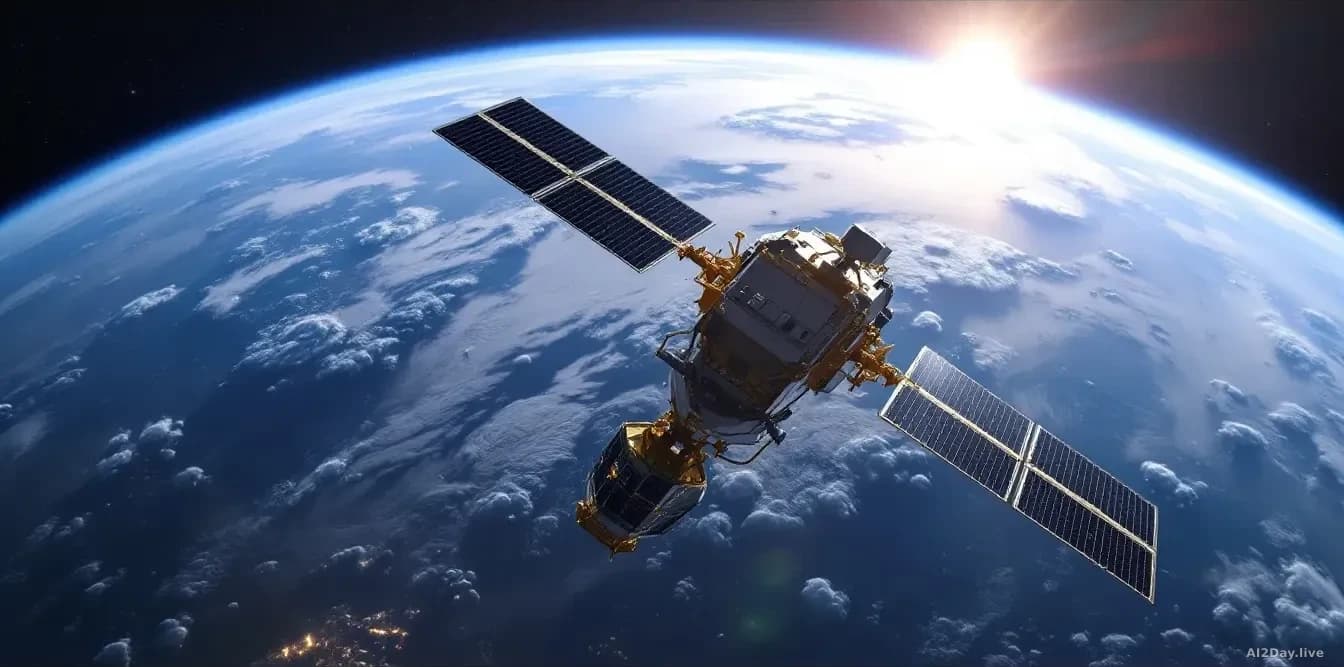
Besxar wants to build a semiconductor factory in orbit, launching piece by piece on SpaceX rockets
A start-up called Besxar is betting that making computer chips in the weightless environment of space will produce better results than any factory on the ground. The catch: every component has to hitch a ride to orbit and come back down again.
Key points
- Besxar is developing an orbital manufacturing platform designed to produce semiconductors, the tiny chips that power phones, computers and medical devices, in space.
- The company plans to use SpaceX rockets to ferry equipment and finished products between Earth and orbit on a recurring basis.
- Space manufacturing is currently limited to the International Space Station and a small group of start-ups with returnable spacecraft.
- Bringing chip production off-planet could sidestep the physical limits that make further miniaturisation increasingly difficult in ground-based factories.
If you have ever wondered why your phone gets thinner and faster every few years, the answer is chip manufacturing, the industrial process of printing billions of microscopic circuits onto wafers of silicon. That process is running into a wall: the laws of physics make it harder and harder to shrink those circuits any further inside a standard factory. Besxar thinks the solution is to move the factory somewhere unusual, roughly 400 kilometres straight up.
The company is building what it describes as an orbital semiconductor fab, meaning a manufacturing facility that operates in space, where the absence of gravity and atmospheric interference could allow techniques that simply do not work on the ground. The finished chips would then return to Earth, riding back inside a spacecraft that re-enters the atmosphere and lands.
How does a space factory actually work?
Right now, the options for making anything in orbit are narrow. You can book time aboard the International Space Station, a process that takes years and involves working around a crowded schedule of scientific research. Alternatively, you can partner with one of a handful of private companies that fly small spacecraft to orbit and bring them home again after days or weeks.
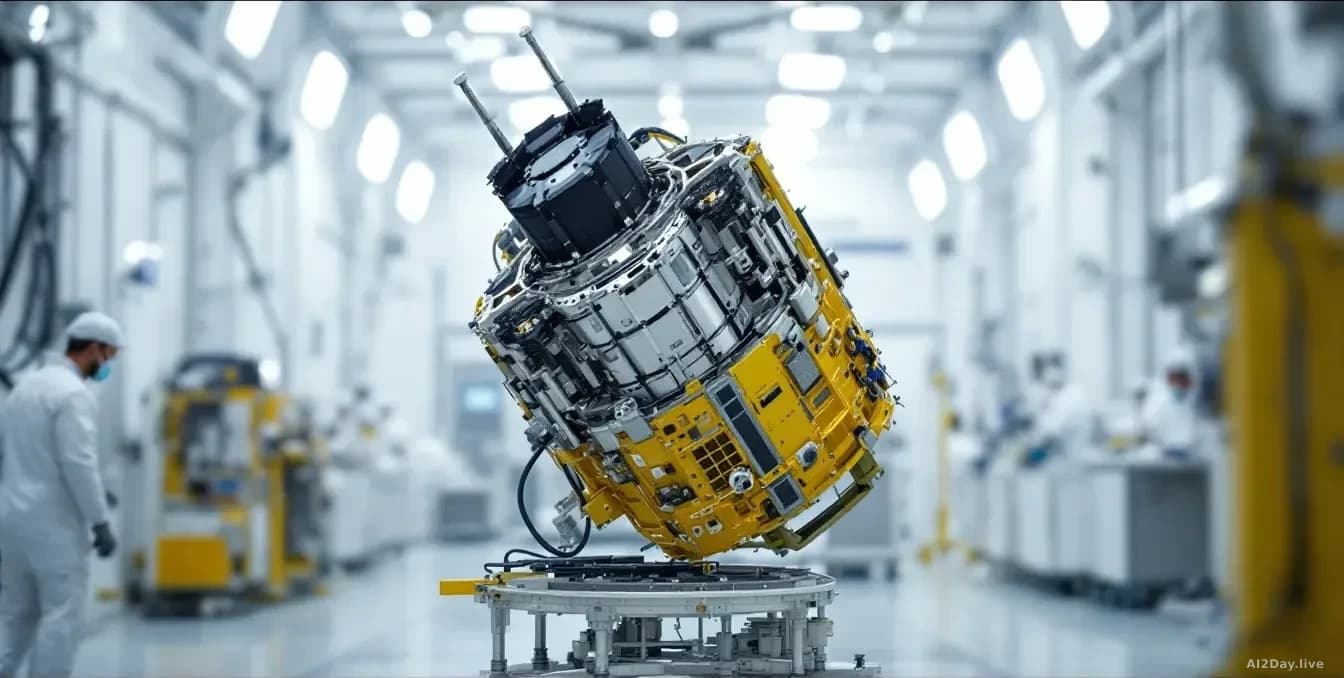
Besxar's plan adds a third path. Rather than building one large facility and launching it whole, the company intends to assemble its manufacturing capability incrementally, sending hardware up on successive SpaceX Falcon or Starship flights. Each mission adds capacity. Think of it less like opening a factory and more like building one, bolt by bolt, while it is already in space.
The returnable-spacecraft problem is real. Sending something to orbit is expensive. Sending something to orbit and getting it back in one undamaged piece is harder still. SpaceX's reusable rockets have cut the cost of reaching orbit dramatically over the past decade, which is precisely why Besxar is structuring its business around them.
Why does this matter for ordinary people?
Semiconductors are in almost everything: cars, hospital monitors, payment terminals, hearing aids. A shortage of chips in 2021 halted car production lines worldwide and pushed up prices for electronics across the board. New ways to manufacture chips, even unusual ones, attract serious attention from governments and industry alike.
Besxar is still early. The company has not yet disclosed which specific chip types it intends to produce, at what scale, or at what cost per unit. Those numbers will determine whether orbital manufacturing is a genuine industrial option or an expensive curiosity.
TechCrunch AI first reported the company's plans, noting that the returnable-spacecraft market remains tiny. Besxar's bet is that SpaceX's flight cadence will grow fast enough to make regular orbital factory runs economically sensible before a ground-based competitor solves the same miniaturisation problem another way.
Common questions
Why make chips in space rather than just building better factories on Earth?
The vacuum and microgravity of space eliminate contamination and gravitational stress that limit certain manufacturing techniques on the ground, potentially allowing finer structures than current Earth-based methods can reliably produce.
Will space-made chips cost more?
Almost certainly at first. The economics depend on launch costs falling further and production volumes rising. Besxar's model assumes repeated SpaceX flights make the per-unit cost competitive over time, but no public pricing exists yet.