Australia Proposes Its Biggest Privacy Shake-Up in Years. Here Is What Sparked It.
Facial recognition in shopping centres, 'pervert glasses' on sale at Kmart, and ad-targeting that poisons your social feeds. Australia's proposed Privacy Act changes are a direct response to all three.
Key points
- Australia's government has proposed changes to the Privacy Act, more than five years after it first began consulting on reform.
- 93% of Australians say protecting personal information is important to them, according to survey data cited by The Guardian.
- 87% of Australians say they are more concerned about their privacy than they were five years ago.
- Australians rank privacy protection as their top priority for regulating artificial intelligence, the technology behind facial recognition and ad-targeting systems.
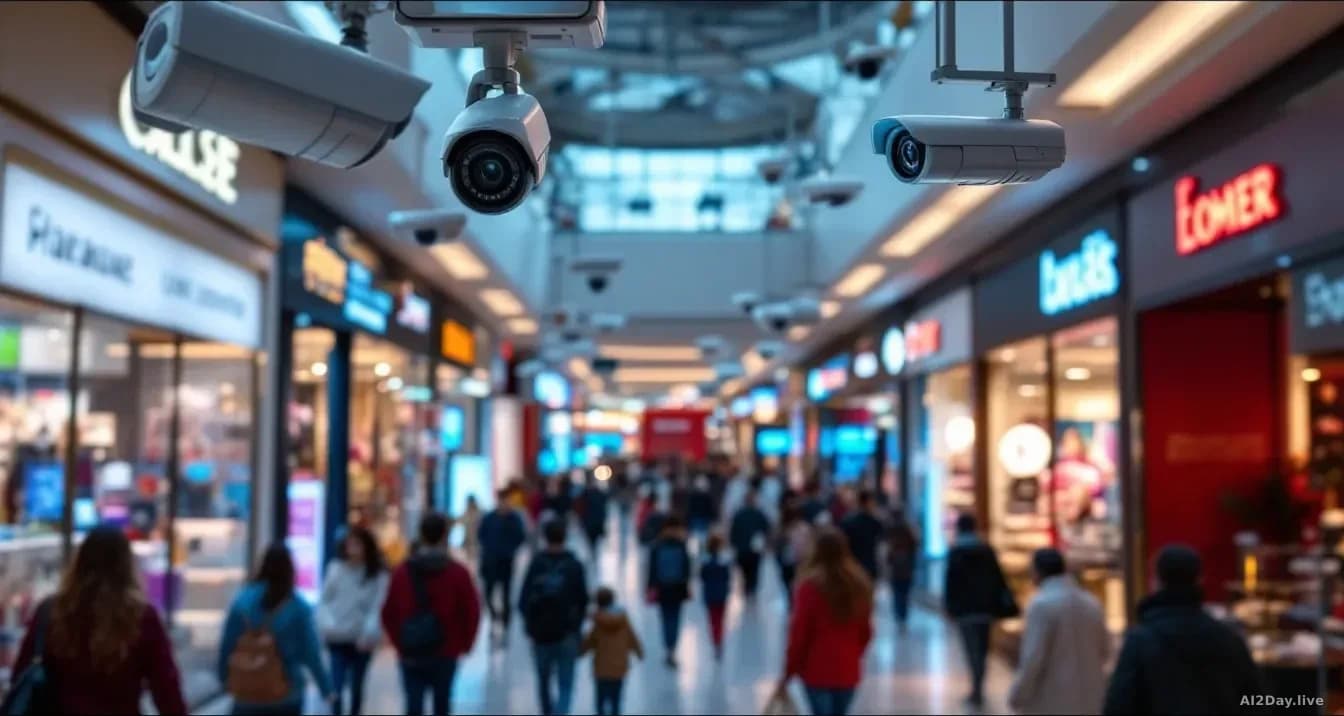
Facial recognition cameras in shopping centres. Anti-surveillance glasses selling out at Kmart. Social media feeds stuffed with targeted ads chosen by algorithms that know more about your habits than your friends do. Australia's privacy problem isn't theoretical. It's happening in car parks and checkout queues right now.
Against that backdrop, the Australian government has put forward proposed changes to the Privacy Act, the main law governing how organisations collect and use personal data. The reform is overdue: talks about updating the law began more than five years ago. We first covered the Act's reform push on 2 September 2026, and our earlier reporting on surveillance cameras found that misuse of facial tracking hardware is already a documented problem well beyond Australia's borders.
Why does this matter to ordinary Australians?
Because the current rules aren't working, and most Australians know it.
The existing system relies heavily on what experts call "tick-a-box consent": the pop-up boxes and terms-and-conditions screens that ask you to agree before you use an app or website. Almost nobody reads them. You click yes or you can't use the service. That isn't a real choice.
Microtargeting, the practice of using your personal data to show you ads or political messages chosen specifically for you, has made things worse. It fills feeds with misleading or inflammatory material, because that content gets clicks, and clicks are what the system rewards.
Then came AI. Artificial intelligence systems consume enormous amounts of personal data. The current law was written before these tools existed at scale.
What do Australians actually want?
Strong privacy rules, by a wide margin.
Survey figures show 93% of Australians rate protecting personal information as important, and 87% say they worry about privacy more than they did five years ago. When asked specifically about AI regulation, Australians put privacy protection at the top of the list, above concerns about job losses or misinformation.
Those numbers suggest the political will for real reform exists. Whether the proposed changes are strong enough to match public expectation is the harder question.
What happens next?
The proposals are still at the consultation stage. The public and industry can respond before any law is passed. Privacy advocates argue the changes can't come soon enough, pointing to anti-surveillance glasses becoming a consumer product as a sign of how normalised the problem has become.
For anyone worried about their data footprint, the practical options today are limited: treat every app permission as a real decision, check which apps have access to your location and camera, and read the summary when a service asks for your data, not the full terms. The law may catch up. Personal caution is the only tool available in the meantime.
Common questions
What is the Privacy Act and who does it cover?
The Privacy Act is Australia's main federal law controlling how businesses and government agencies handle personal information. It currently applies to organisations with an annual turnover above AU$3 million, though reform proposals would likely expand that coverage.
What is facial recognition and why is it in shops?
Facial recognition is software that identifies a person by analysing their face on camera, similar to a phone's face-unlock feature. Retailers have begun using it for security, but critics say it collects sensitive biometric data from shoppers who haven't agreed to it.
Can I opt out of ad-targeting today?
Yes, partially. Most major platforms let you limit personalised ads in their settings menus. Enabling privacy-focused browser extensions reduces, but doesn't eliminate, the data collected about you.