#physical AI
62 stories taggedphysical AI.

EXL Buys AI Training Firm iMerit to Close the Gap Between AI Demos and Real Business Results
The New York services giant spent this month completing its purchase of iMerit, a company that prepares the data and human expertise AI models need before they can work reliably in hospitals, factories, and financial firms.
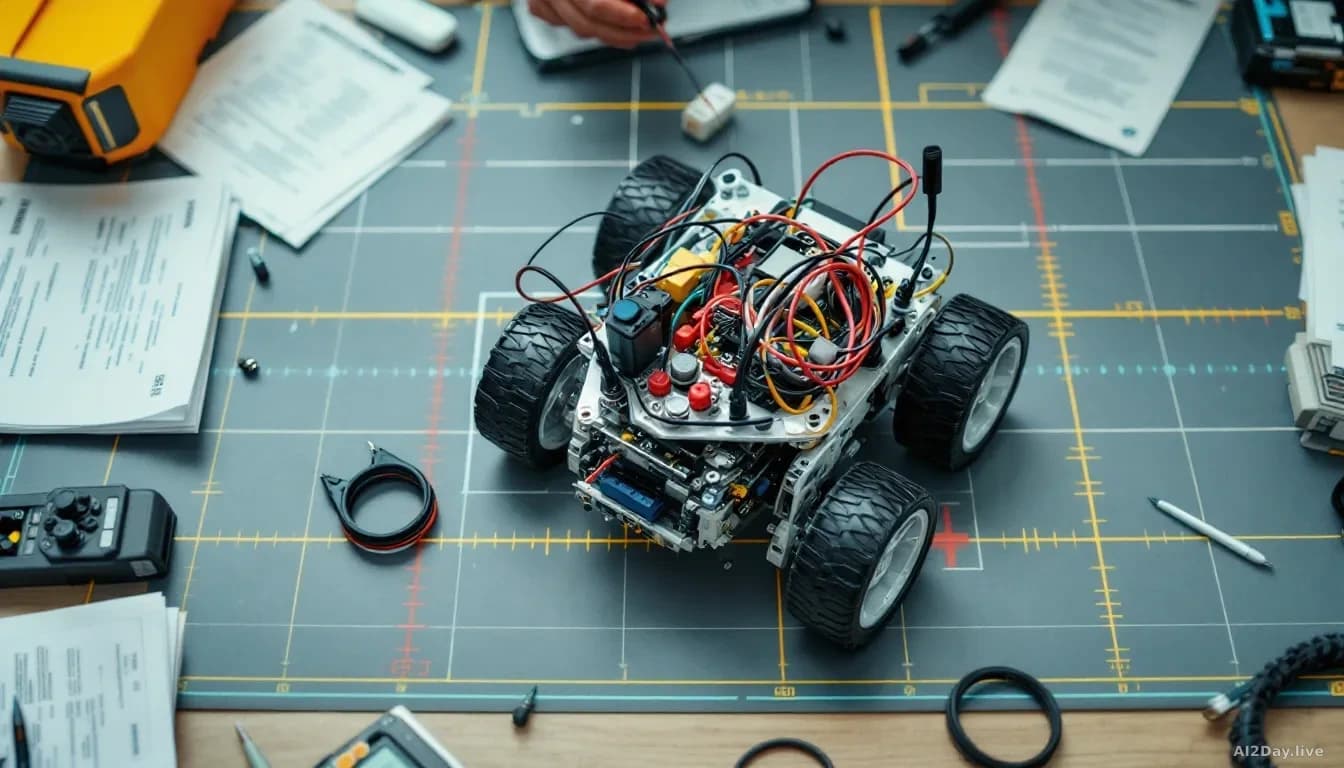
Hugging Face's $399 Microduck Is a Waddling Open-Source Robot You Can Train Yourself
The duck-shaped bot picks things up, roller skates, and gets back on its feet when it falls. It ships before Christmas, and the code is free for anyone to inspect or modify.

Plaud's New Earbuds Want to Be Your Always-On AI Assistant, Case and All
The AI note-taking company is betting that earphones with a built-in SIM card slot can replace your phone as the way you talk to AI agents throughout the day.
BlackBerry Quietly Became a Robotics Software Company. Here Is How.
The phone maker turned automotive software firm says its QNX software is now one of its fastest-growing business lines, and robots are driving that growth.

Amazon Is Buying Two Million More Nvidia Chips as AI Demand Blows Past Forecasts
The two companies are deepening a partnership that now covers warehouse robots and cloud software, not just the chips that power AI.
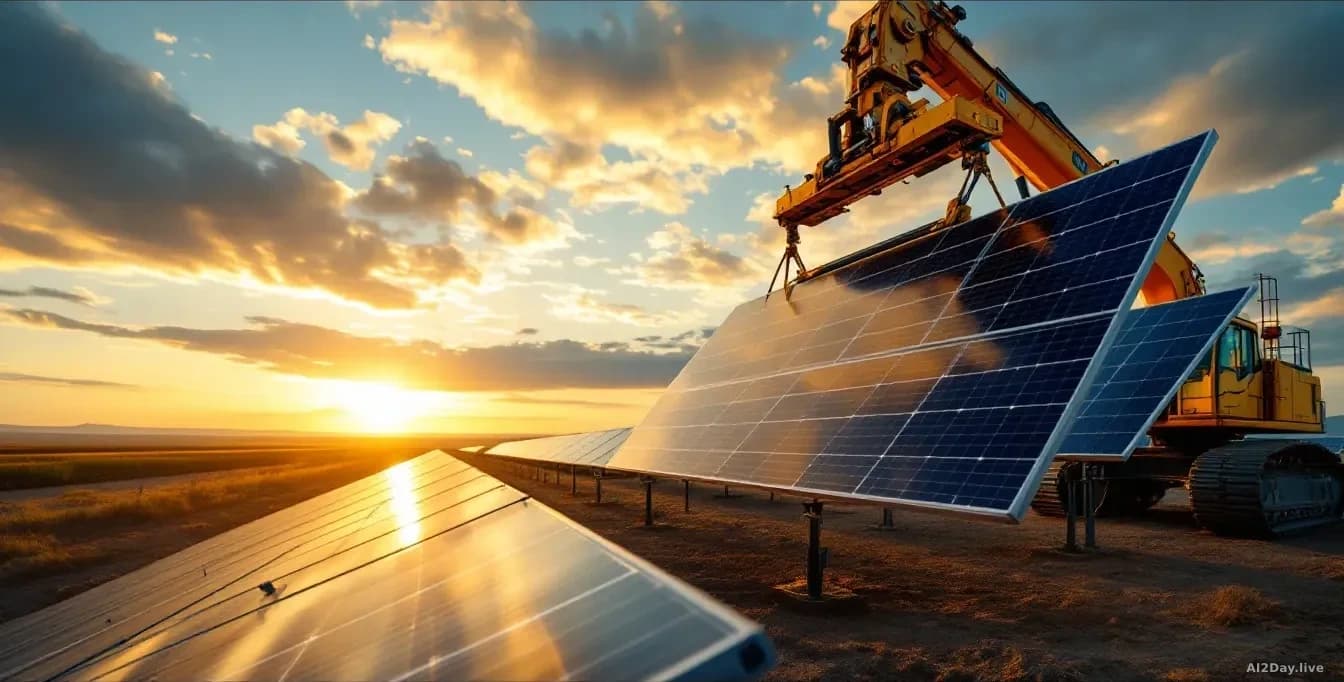
Autonome Bagger arbeiten bereits auf echten US-Baustellen
Bedrock Robotics hat vollautomatische Bagger in Texas und Nevada im Einsatz – ohne Bediener in der Kabine. Das bedeutet dies für Bauarbeiter und die Projekte, an denen sie arbeiten.

Robot brains are getting smarter, but they still can't do a real day's work
A wave of investment is pouring into physical AI, the technology that teaches machines to move through the world. But developers admit their robots are still stuck in an early, limited era, similar to where chatbots were before ChatGPT changed everything.
Londons Robotaxi-Traum verschoben auf 2025, während Regulatoren und Ingenieure bremsen
Uber und Wayve hatten Lizenzen in der Hand und ein „später diesen Sommer"-Versprechen auf dem Tisch. Nun werden Menschen, die auf ein fahrerloses Taxi in London warten, noch viel länger warten müssen.
NVIDIA's new Jetson Orin Nano 2 chip aims to put frontier AI inside drones and home robots
The tiny computer uses 40% less power than its predecessor while doubling AI processing speed, and NVIDIA says it will let developers run the same kind of intelligence found in today's best chatbots directly inside physical machines.

The tractors are getting smarter, and farms may depend on it
An aging workforce and shrinking skilled labour pool are pushing AI off the screen and into the cab. Companies like Agtonomy are betting that the most important robots of this decade will look nothing like a human.
XPeng's robot unit Dogotix raises $900 million and aims to put 1,000 humanoids a month on factory floors by 2027
The Chinese electric vehicle maker's robotics arm is now valued at over $6 billion and plans to start shipping its IRON humanoid robot to retail stores and industrial sites next year.
Who keeps the robots running? The hidden workforce behind physical AI
Scaling robots past a handful of machines turns out to be an HR problem as much as an engineering one. Here is what that means for workers and the companies deploying them.

Fusionstart-up verkürzt Produktion von Brennstoffpellets von Tagen auf Minuten
Inertia Enterprises gibt an, dass es die winzigen Brennstoffkapseln im Zentrum seines Kernfusions-Kraftwerks nun in zwei bis drei Stunden statt wie bisher eine Woche oder länger herstellen kann. Die Beschleunigung löst stillschweigend eines der schwierigsten Herstellungsprobleme, das zwischen Fusionsenergie und dem Stromnetz steht.
Landwirtschaftliche Roboter, die sich selbst einparken können: Agtonom's Traktoren fahren jetzt autonom rückwärts durch enge Obstbaureihen
Ein kalifornisches Startup hat seine autonomen Traktoren darauf trainiert, Mehrpunkt-Wendemanöver in engen Weinberg-Bereichen auszuführen, und sammelt dabei über zwei Terabyte Felddaten pro Fahrzeug pro Stunde, um die Leistung kontinuierlich zu verbessern.
Dieser Roboter sah sich ein kurzes Video an und verstand den Rest selbst
Das Cambridge-Startup Generalist AI entwickelt Roboterarme, die neue physische Aufgaben aus einem einzelnen Videoclip lernen, ohne aufgabenspezifisches Training. Die Ergebnisse sind unvollkommen, aber beeindruckend.