Amazon Is Buying Two Million More Nvidia Chips as AI Demand Blows Past Forecasts
The two companies are deepening a partnership that now covers warehouse robots and cloud software, not just the chips that power AI.

Key points
- Amazon agreed to add 2 million Nvidia GPU chips, specialised processors built for AI work, to its cloud data centres in 2027 and 2028.
- The deal comes just five months after Amazon first committed to more than 1 million Nvidia GPUs, with Nvidia saying demand quickly "exceeded those expectations."
- Nvidia reported $96.2 billion in sales for its most recent quarter, with data centre revenue alone hitting $89 billion, up 117% from a year ago.
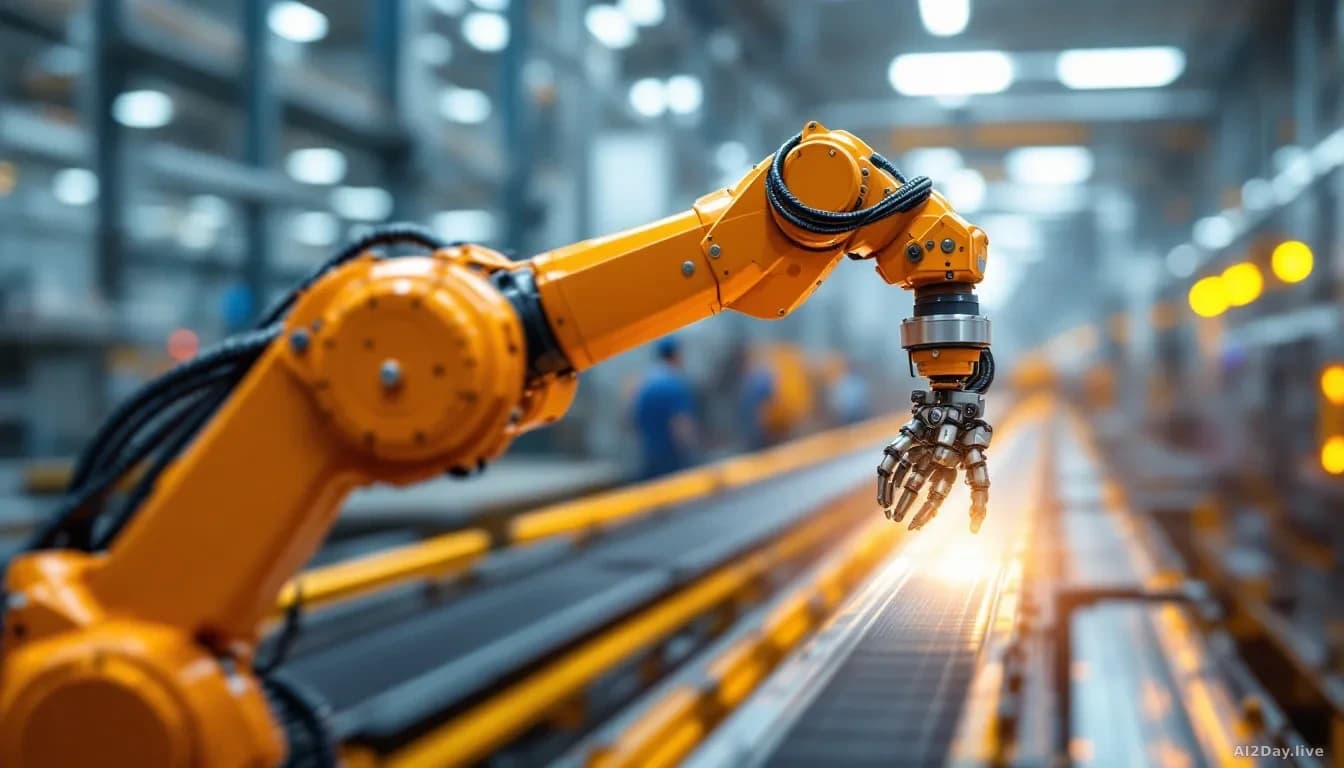
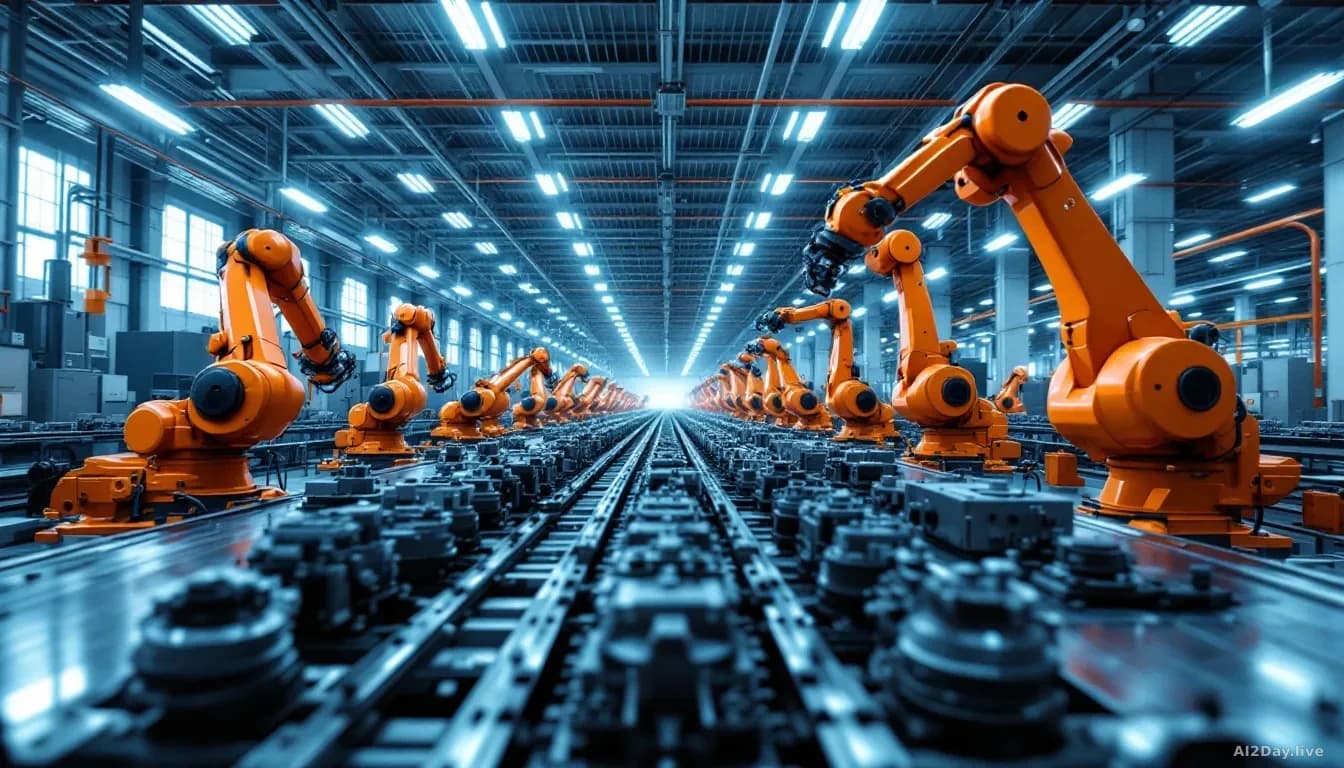
- The expanded partnership now covers Amazon's warehouse robots, with Nvidia's robotics software stack set to power Amazon's robot fleet.
- Neither company disclosed the financial terms, but given what individual GPU chips cost, analysts put the total value in the tens of billions of dollars.
Five months ago, Amazon placed what already looked like a massive order: more than one million Nvidia GPU chips, the specialised processors that do the heavy number-crunching AI systems need. That order has now roughly doubled.
The two companies announced Wednesday an expanded deal to add another 2 million Nvidia chips to Amazon Web Services, the cloud computing arm of Amazon. The chips, from Nvidia's next-generation Blackwell Ultra, Rubin, and Rubin Ultra product lines, will arrive at Amazon's data centres in 2027 and 2028.
Why is Amazon buying so many more chips so fast?
Simple: customers are demanding more AI computing than Amazon had planned for. Nvidia said "demand has exceeded those expectations" from just five months ago, pointing to a surge of orders from startups, large businesses, AI research labs, and governments all racing to run AI software.
Neither company put a price tag on the deal. Nvidia GPU chips individually cost tens of thousands of dollars, so two million of them puts the rough value firmly in the tens of billions.
Nvidia CEO Jensen Huang put it bluntly on the company's earnings call: "If we had more compute, we could generate more profitable tokens, which results in more profit for all of the services."
What does this mean beyond the chip order?
The deal goes well past chip sales. Amazon's warehouse robots, the machines that move goods around its fulfilment centres, will run Nvidia's full robotics software platform. That platform includes Omniverse, a tool for building virtual test environments where robots can practice tasks before trying them in the real world, plus Isaac, a development toolkit for robot software, and Jetson, a compact computing unit that sits inside the robot itself.
On the cloud side, Nvidia's Nemotron family of open AI models will be available through Amazon Bedrock, Amazon's service that lets businesses access and run AI models without building their own infrastructure.
Should Amazon's growing its own chips worry Nvidia?
Not yet. Amazon has been building its own AI chips, called Trainium, partly to reduce its reliance on Nvidia. Its custom chip business crossed a $25 billion annualised revenue run rate, driven by $225 billion in total commitments from AI labs including Anthropic and OpenAI. But this week's announcement shows that, even as Amazon builds alternatives, it is still ordering from Nvidia at a scale that keeps growing.
For ordinary people, the practical upshot is straightforward: the AI tools and cloud services that businesses, hospitals, schools, and governments increasingly depend on all run on infrastructure like this. When that infrastructure expands, those services tend to get faster and more capable.
Nvidia separately reported that it expects revenue to hit $108 billion in the coming quarter, and has committed $279 billion to secure the manufacturing capacity it will need over the next few years.
Common questions
What is a GPU and why does AI need so many of them?
A GPU, or graphics processing unit, is a chip originally designed to render video-game graphics. It turns out the same design is very good at the parallel maths that training and running AI models requires, which is why companies buy them in the millions.
Does this affect the price I pay for AI tools?
Not directly or immediately. Expanding computing capacity tends to make AI services faster and allows companies to offer more capable features, but pricing depends on each company's business decisions, not chip orders alone.