The same four things a surgical robot and a warehouse robot both need to work
A new industry report pairs a cardiac surgery suite in California with a logistics floor and finds the hardest problem in both places is the same: understanding your own process before you automate it.

Key points
- El Camino Health in California uses the da Vinci surgical robot from Intuitive Surgical to perform coronary artery bypass grafting, a procedure to reroute blood flow around blocked heart arteries.
- Clinicians say the system reduces cognitive burden on staff and improves care consistency for patients.
- Autonomous mobile robots, or AMRs, self-navigating warehouse vehicles that move without fixed tracks, are scaling across retailers and third-party logistics providers.
- The Robot Report's September 2026 digital issue identifies four shared conditions for success: staff understanding their own processes, precise motion control, reliable software, and a clear management plan.
Two very different machines. Strikingly similar lessons.
The September 2026 issue of The Robot Report pairs case studies from a cardiac surgery suite and a warehouse floor, and the comparison turns out to be instructive.
What is the surgical robot story?
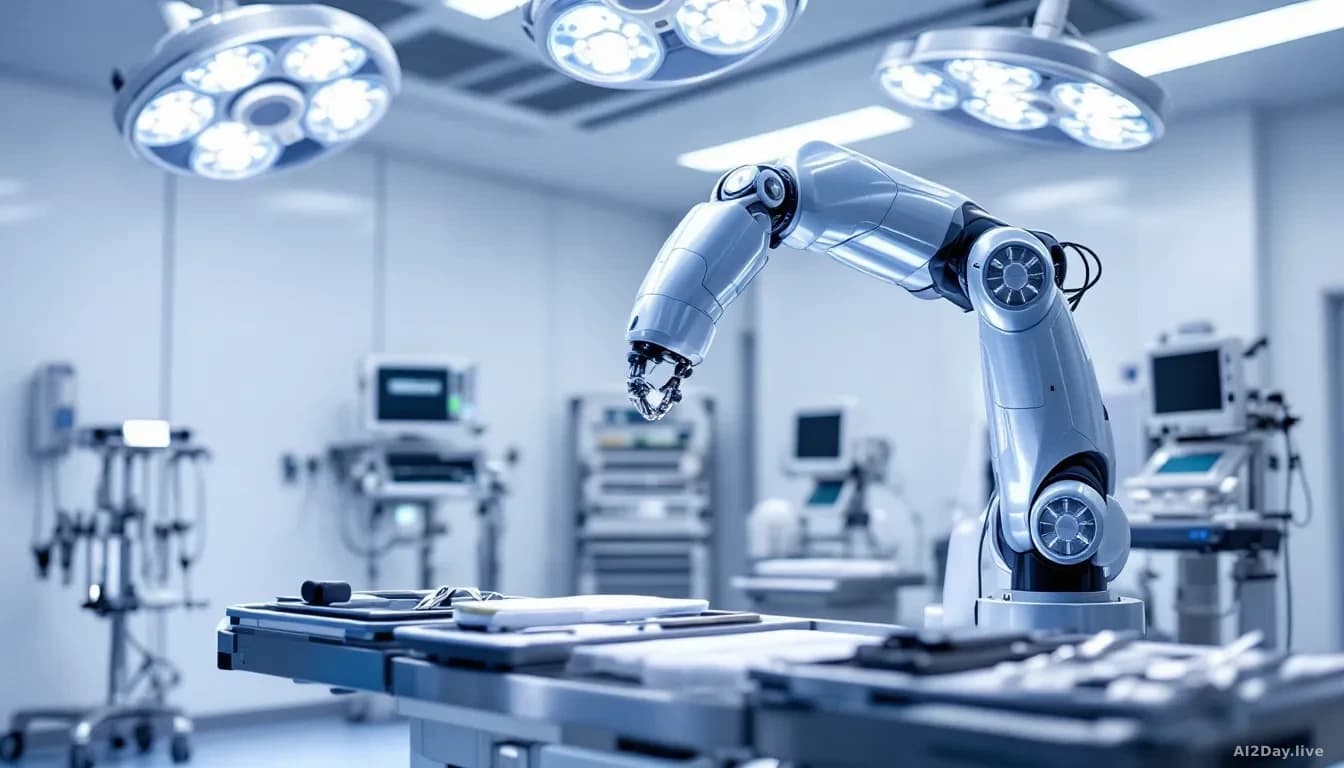
Clinicians at El Camino Health and Heart Vascular Institute in California are using the da Vinci system, a robotic surgery platform made by Intuitive Surgical, to perform coronary artery bypass grafting. That's a procedure where surgeons create a new route for blood to travel around a blocked coronary artery, the vessels that supply the heart itself.
Minimally invasive surgery, done through small cuts rather than opening the chest fully, demands extraordinarily precise movement control. The da Vinci system translates a surgeon's hand movements into finer, steadier actions at the tip of thin instruments inside the patient. El Camino Health says the approach reduces cognitive load for its clinical team and makes the standard of care more consistent. Faster recovery, fewer complications.
We first covered this procedure at the same California hospital on 17 August, when a patient was walking the day after the operation. The report's point stands: common does not mean easy. Even well-established robotic procedures carry real engineering and clinical complexity.
What is the warehouse robot story?
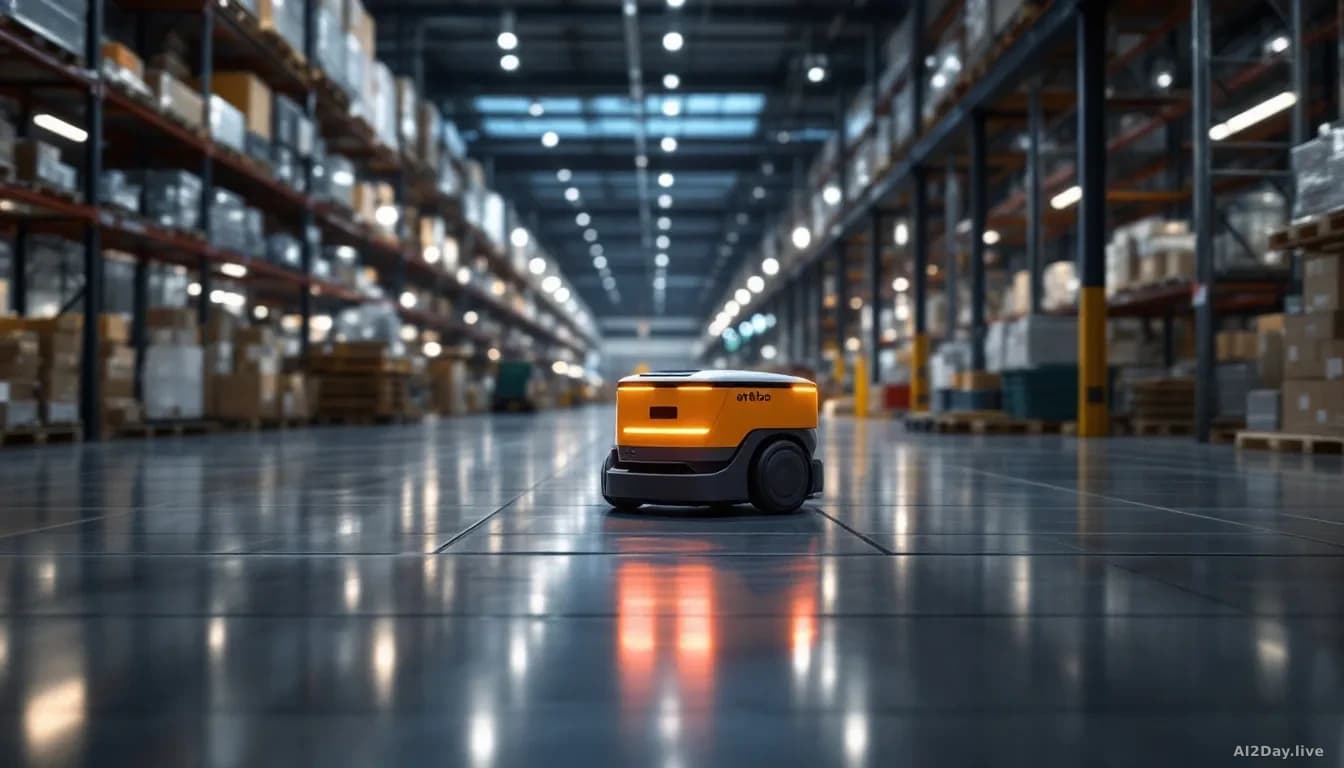
AMRs, autonomous mobile robots that navigate warehouse floors without fixed rails, are moving from pilot projects to full-scale deployments at retailers and third-party logistics companies.
Unlike older automated guided vehicles that follow magnetic strips in the floor, AMRs can reroute around obstacles and work alongside people. That independence is useful. It also raises practical questions operators need to answer before a single robot rolls out: which machines are certified safe near human workers, and who owns maintenance when something breaks.
The report cites real deployments and pulls out concrete lessons. As these fleets grow, the businesses running them are beginning to share what works. Our earlier story on what's driving the AMR boom from 6 August put the industry on track to double or triple by 2030, which makes getting these lessons right now matter a great deal.
What does this mean for workers and patients?
For patients considering robotic-assisted cardiac surgery, the case study is a reminder to ask their hospital specifically about the team's experience and case volume, not just whether the robot is available.
Warehouse workers get a more mixed picture. AMRs handle repetitive movement tasks, reducing physical strain. But safety certification and human-robot coordination planning matter enormously, and companies that skip it pay later.
The through-line the report draws is worth taking seriously: the technology isn't the hard part. Understanding your own process before you automate it is.
Common questions
Is robotic surgery safer than traditional open-heart surgery?
The evidence varies by procedure and team experience. Robotic-assisted surgery can reduce recovery time and complications for certain operations, but outcomes depend heavily on surgeon training and case volume, not the robot alone.
Do AMRs replace warehouse workers?
In current deployments, AMRs typically handle repetitive transport tasks while human workers focus on picking and quality checks. Most case studies in this report describe redeployment rather than direct replacement, though the longer-term picture depends on how widely the technology scales.