Teradyne Robotics erreicht 100 Millionen Dollar in einem Quartal, AI treibt Wachstum an
Das Unternehmen, das Fabrikroboter und Lagervehikel herstellt, verzeichnete sein fünftes aufeinanderfolgendes Wachstumsquartal mit einem Anstieg von 33% gegenüber dem Vorjahr. Der CEO führt dies auf KI-Rechenzentren zurück.

Wichtigste Punkte
- Teradyne Robotics meldete im Q2 2026 Umsätze von 100 Millionen Dollar, ein Anstieg von 33% gegenüber 75 Millionen Dollar im Q2 2025.
- Das Ergebnis ist das fünfte aufeinanderfolgende Quartal mit Umsatzwachstum des Unternehmens.
- Die KI-bezogene Nachfrage macht mittlerweile mehr als 60% des Gesamtumsatzes der Muttergesellschaft Teradyne aus.
- Die Umsätze in den USA stiegen auf 32% des Gesamtumsatzes von Teradyne Robotics, was Pläne für ein neues Produktionszentrum in Michigan zur Folge hat.
- Teradyne führte 2025 zwei Entlassungswellen durch und baute 10% seiner Belegschaft im Januar und weitere 14% im November ab.
Teradyne Robotics, das Robotik-Geschäft des in Massachusetts ansässigen Testgeräteherstellers Teradyne Inc., erzielte im zweiten Quartal 2026 genau 100 Millionen Dollar Umsatz. Das ist ein Anstieg gegenüber 91 Millionen Dollar im vorherigen Quartal und 33% höher als im gleichen Zeitraum des Vorjahres, als das Unternehmen 75 Millionen Dollar verdiente.
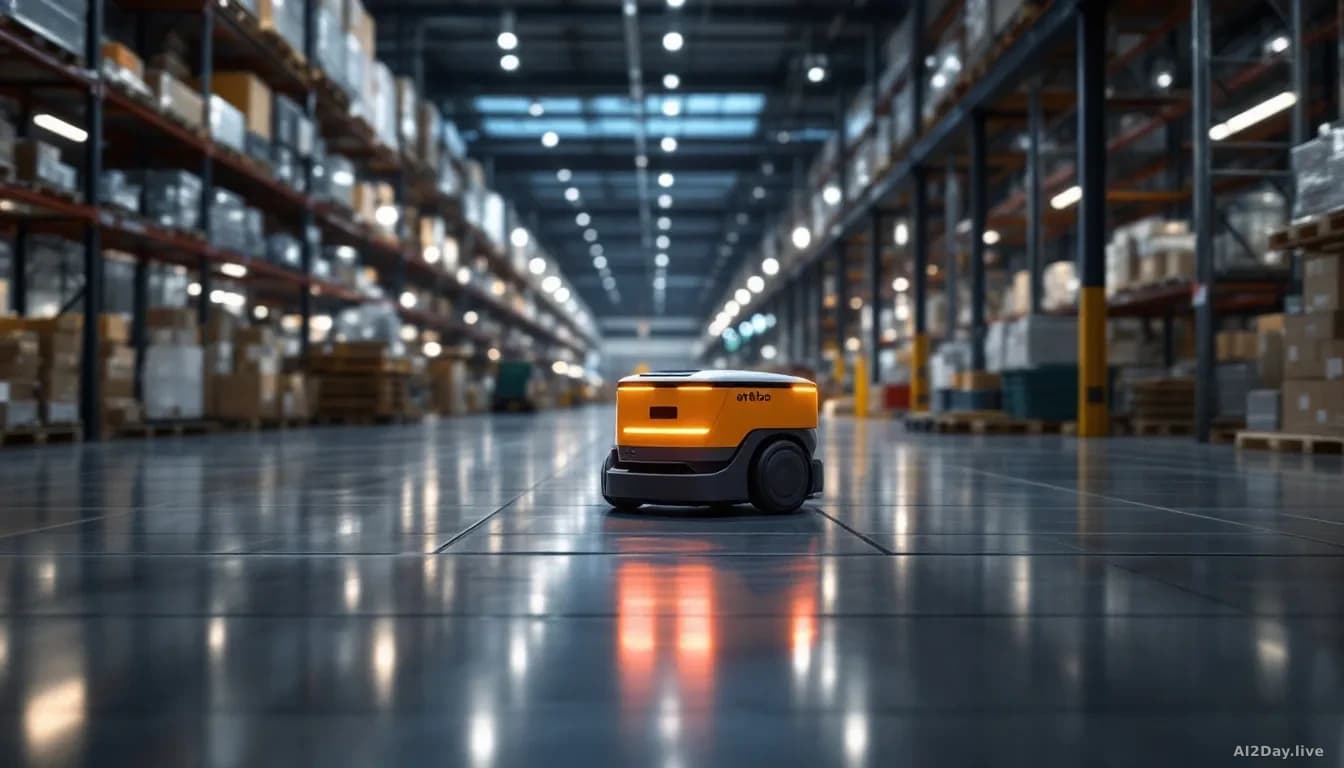
Die Division betreibt zwei Marken, die Sie möglicherweise auf Fabrikflächen gesehen haben: Universal Robots, das Roboterarme herstellt, die sicher neben Menschen arbeiten, und Mobile Industrial Robots (MiR), das selbstfahrende Wagen produziert, die Teile in Lagern transportieren. Beide haben ihren Sitz in Odense, Dänemark.
Was treibt die Verkäufe wirklich an?
Der Boom rund um KI-Rechenzentren macht den Großteil der Arbeit. Dies sind riesige lagergroße Einrichtungen, die mit spezialisierten Computern gefüllt sind, welche Chatbots und Bildgeneratoren antreiben, und jede einzelne benötigt enorme Mengen an Halbleiterschips, um zu funktionieren.
CEO Greg Smith sagte in Teradynes Geschäftsergebnisbesprechung, dass über 60% des Gesamtumsatzes des Unternehmens nun aus KI-bezogener Nachfrage stammt. Roboter werden verwendet, um die Chips und Leiterplatten zu testen und zu montieren, die diese Einrichtungen füllen, und Smith erwartet, dass diese Arbeit weiter wächst. „Wir gehen davon aus, dass es derzeit einen Multi-Milliarden-Dollar-Markt für Montage-, Automatisierungs- und Burn-in-Ausrüstungen gibt", sagte er und prognostiziert mid-double-digit Wachstumsraten bis zum Ende des Jahrzehnts. Die am schnellsten wachsenden Segmente innerhalb von Teradyne Robotics sind Elektronikfertigung und Halbleiterproduktion.
Dies ist ein Muster, das im gesamten Sektor sichtbar ist: Letzte Woche berichteten wir über Holiday Robotics, das 105 Millionen Dollar aufbrachte, speziell um sich wiederholende Industrieaufgaben in großem Maßstab zu automatisieren, was darauf hindeutet, dass Kapital genau diese Art von KI-angrenzender Fabrikarbeit verfolgt.
Wie vergleicht sich das mit der jüngsten Vergangenheit?
Der Weg hierhin war wirklich schwierig. Teradyne Robotics wuchs während der COVID-19-Pandemie schnell und erreichte 2022 seinen Höchststand mit 326 Millionen Dollar Jahresumsatz, rutschte dann aber zwei Jahre lang ab.
| Jahr | Jahresumsatz |
|---|---|
| 2021 | 311 Millionen Dollar |
| 2022 | 326 Millionen Dollar |
| 2023 | 304 Millionen Dollar |
| 2024 | 293 Millionen Dollar |
| Nur Q2 2026 | 100 Millionen Dollar |
Bis 2025 war der Druck so groß, dass Teradyne zwei Kürzungsrunden durchführte: 10% seiner globalen Belegschaft im Januar und weitere 14% im November. Das Unternehmen bezeichnete diese als „proaktiven Schritt" zur Stärkung des Geschäfts. Finanzvorständin Michelle Turner sagte, sie erwartet, dass das Wachstum sich durch den Rest von 2026 fortsetzt.
Was bedeutet das für gewöhnliche Menschen?
Mehr Roboter auf Fabrik- und Lagerflächen bedeuten, dass einige sich wiederholende Jobs automatisiert werden, besonders in der Elektronikfertigung und Chipprüfung. Teradynes Plan, noch dieses Jahr ein Produktionszentrum in Michigan zu eröffnen, wird lokale Arbeitsplätze beim Bau der Roboter selbst schaffen, was eine teilweise Kompensation ist, die es zu beobachten gilt.
Für Käufer von Telefonen und Laptops könnte schnellere Chipproduktion letztendlich niedrigere Preise bedeuten, obwohl diese Kette lang und indirekt ist. Die Geschichte wurde zunächst ausführlich von The Robot Report berichtet.