Who keeps the robots running? The hidden workforce behind physical AI
Scaling robots past a handful of machines turns out to be an HR problem as much as an engineering one. Here is what that means for workers and the companies deploying them.

Key points
- Most robotics deployments fail to scale not because the robots break down, but because the human teams supporting them are not built for growth.
- New job roles, including robot operators, teleoperators (remote human controllers), and QA validators, are appearing between traditional engineering and operations teams.
- Companies are moving toward a split workforce: a stable core of trained, salaried staff plus a flexible outer ring of surge workers for new sites and pilots.
- Speed-only performance targets, borrowed from older forms of digital gig work, can actively make physical AI deployments less safe.
- The pattern is reported by The Robot Report, drawing on analysis from HireArt, a contract workforce platform.
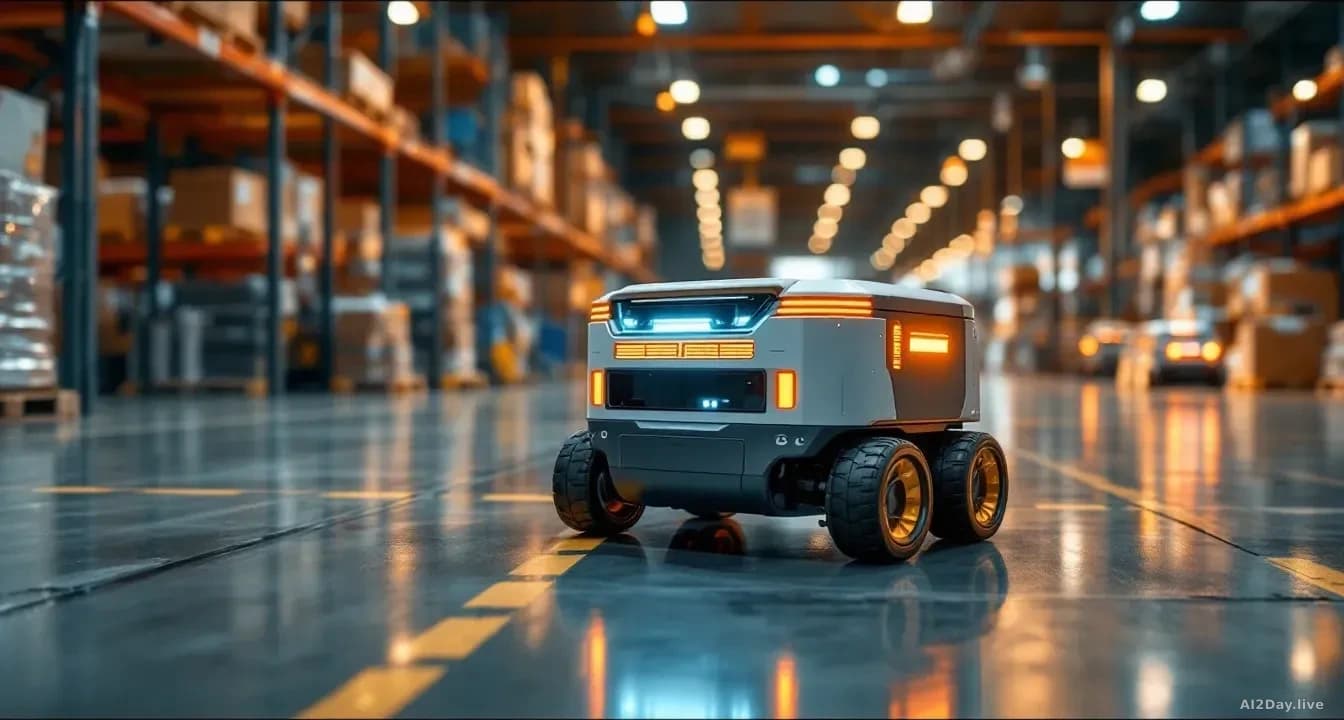
Picture a warehouse where a fleet of robots picks boxes from shelves. When there are five robots, one experienced engineer can watch everything, fix problems fast, and adapt on the fly. Now scale that to 50 robots across 10 sites running three shifts each. Suddenly the robot is not the hard part.
That is the central finding from HireArt, a New York-based workforce platform that works with companies deploying physical AI, meaning AI software embedded inside machines that move through the real world: delivery bots, surgical assistants, factory arms, warehouse pickers.
Why does hiring matter more than hardware?
Once robots move beyond a single controlled environment, the job of keeping them running looks less like a product launch and more like running a distributed business with unpredictable conditions at every site.
Traditional gig-style labour, where workers pick up short tasks without deep training, struggles here. A robot that stops in a hospital corridor or a busy warehouse is a safety risk, not just a software bug. That demands consistent shift coverage, site-specific safety training, and clear escalation paths so the right person is called when something unusual happens.
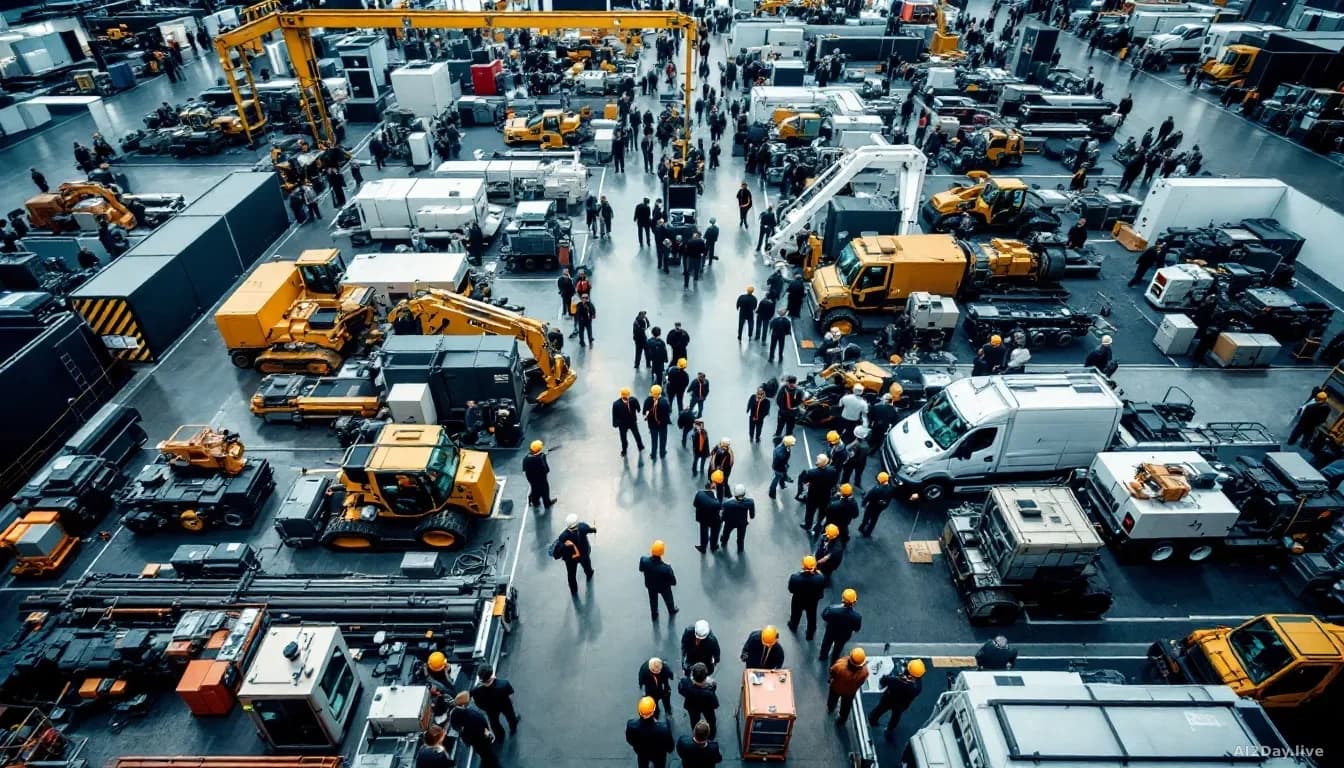
In response, some operators are building what HireArt calls a hybrid workforce. At the centre sits a stable core of trained, hourly employees who know the systems, follow documented procedures, and own the decision about when to escalate a problem. Wrapped around that core is a more flexible group, brought in for new site launches or sudden demand spikes. A rough even split between fixed and flexible capacity is emerging as a common pattern, though it varies by company and maturity.
What are the new jobs, exactly?
Several new role types are taking shape that did not exist five years ago and do not fit neatly into any existing job family.
Robot operators run the machines day-to-day. Teleoperators control robots remotely when the AI hits a situation it cannot handle alone. QA validators check whether the robot is performing correctly. Data capture specialists record real-world behaviour so engineers can improve the underlying AI.
All four roles sit between engineering and traditional operations work. Crucially, they carry judgment responsibilities: spotting unusual behaviour, documenting failures in a useful way, and feeding observations back to the people building the next software version.
| Role | Core responsibility |
|---|---|
| Robot operator | Day-to-day machine operation, procedure adherence |
| Teleoperator | Remote control when AI reaches its limits |
| QA validator | Checking robot performance against standards |
| Data capture specialist | Recording real-world behaviour for engineering teams |
What should companies measure?
Measuring speed alone makes things worse, not better. HireArt's analysis found that rewarding raw throughput, the approach carried over from early digital gig platforms, can pressure workers to skip safety steps or under-document problems, which erodes the reliability of the whole system.
Better metrics focus on procedure adherence, quality of incident documentation, accuracy of escalation decisions, and safe behaviour when conditions are uncertain.
For workers, the shift matters too. These roles reward careful judgement and clear communication over simple speed. That is a meaningful change from the task-based gig work that earlier automation created.
Common questions
Does this mean robots are creating jobs?
In this phase, yes, though different ones than before. Physical AI is generating demand for trained human supervisors, remote operators, and quality checkers, but these roles require more consistent skills and training than the task-based gig work they partly replace.
Should workers in warehouses or hospitals be worried?
The honest answer is: it depends on the role. Highly repetitive physical tasks face ongoing automation pressure, but the evidence so far suggests that running robots at scale reliably requires a significant layer of skilled human oversight, at least for now.