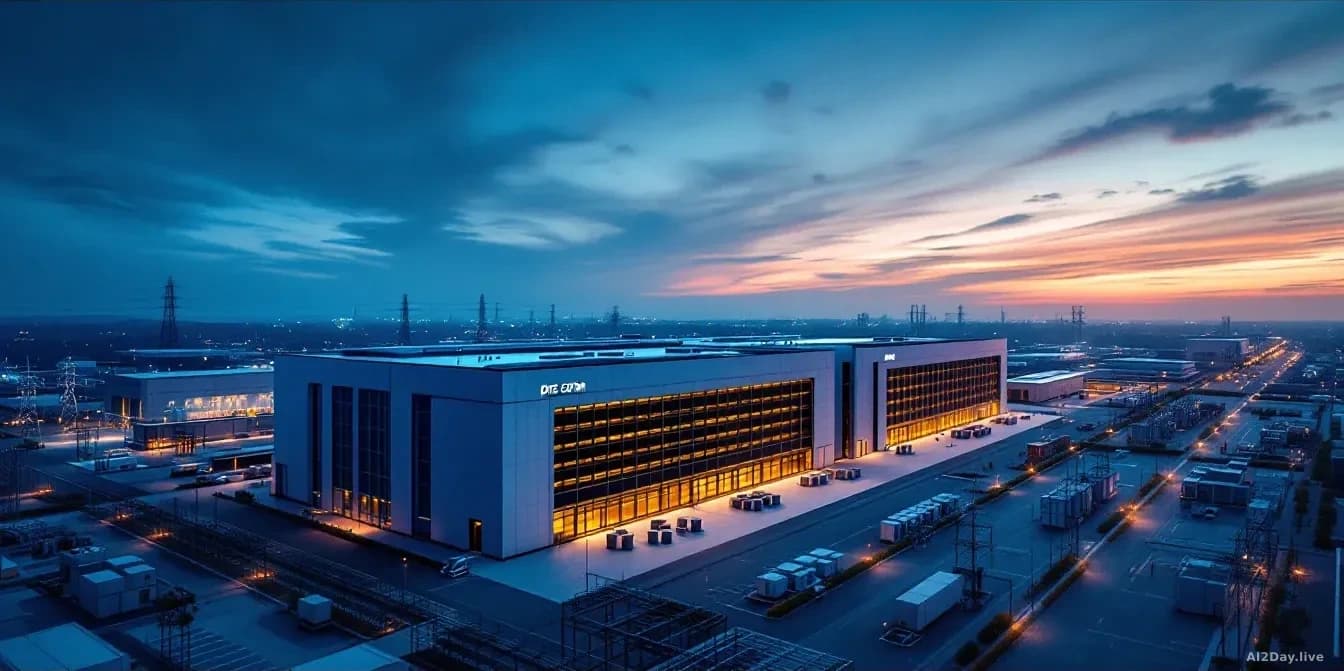
Южная Корея и NVIDIA открывают совместную лабораторию ИИ и углубляют технологические связи на саммите в Сан-Франциско
Новая исследовательская лаборатория в одном из лучших азиатских университетов, сделка по микросхемам памяти и планы развития инфраструктуры ИИ свидетельствуют о стремлении Южной Кореи стать серьёзным игроком на мировой арене искусственного интеллекта.

Ключевые моменты
- NVIDIA и KAIST (Корейский продвинутый институт науки и технологии) объявили о создании совместной исследовательской лаборатории ИИ в Сеуле 24 июля 2025 года — первой совместной лаборатории корейского университета с любой глобальной технологической компанией.
- Президент Южной Кореи Чэ Тэ Вон присутствовал на саммите ИИ в Сан-Франциско вместе с ведущими бизнес-лидерами и исследователями страны.
- SK Group и NVIDIA расширили существующее партнёрство в июне 2025 года для совместной разработки микросхем памяти для оборудования ИИ.
- SK Telecom объявила в июне 2025 года о планах создания инфраструктуры ИИ для поддержки физического ИИ и робототехники в Корее.
Южная Корея решительно заявляет о своих позициях в гонке ИИ. На саммите в Сан-Франциско на этой неделе президент Чэ Тэ Вон встретился с гигантом чип-индустрии NVIDIA и группой корейских бизнес-лидеров, чтобы наметить контуры будущего ИИ страны. Это развитие визита основателя и генерального директора NVIDIA Дженсена Хуанга в Корею в прошлом месяце.
Главное объявление: NVIDIA и KAIST открывают совместную исследовательскую лабораторию ИИ при Высшей школе ИИ имени Кима Чжэ Чхуля в Сеуле. Об этом напрямую сообщила компания NVIDIA.
Почему эта лаборатория имеет значение?
Это первая совместная лаборатория ИИ между корейским университетом и любой глобальной технологической компанией, что сигнализирует о том, что Южная Корея хочет развивать экспертизу в области ИИ у себя дома, а не просто закупать готовые продукты за границей.
Лаборатория сосредоточена на агентском ИИ — системах искусственного интеллекта, которые могут самостоятельно выполнять многоэтапные задачи, а не отвечать на один вопрос. Представьте себе ИИ, который бронирует ваши авиабилеты и отправляет письмо в отель без вашего участия. Исследователи будут использовать открытые модели Nemotron от NVIDIA — семейство моделей ИИ, которые NVIDIA публикует для использования исследователями, а также облачные вычисления от партнёров NVIDIA.
А что с бизнес-стороной?
Корейские корпоративные гиганты тоже в движении. Председатель SK Group Чэ Тэ Вон встретился с Хуангом на ужине в Вудсайде, Калифорния, вечером перед саммитом, вместе с командами SK Hynix и SK Telecom. Это тот вид отношений, который обычно предшествует серьёзным финансовым вложениям.
SK Hynix производит микросхемы памяти высокой пропускной способности, которые питают процессоры ИИ. В июне две компании объявили о расширенной сделке по совместной разработке памяти для платформ ИИ-оборудования NVIDIA, охватывающей как центр обработки данных ИИ, так и персональные ИИ-устройства. SK Telecom отдельно сообщила в июне о планах создания инфраструктуры для физического ИИ, который охватывает роботов и умные машины, взаимодействующие с реальным миром.
| Партнёр | Объявление | Дата |
|---|---|---|
| KAIST | Совместная исследовательская лаборатория ИИ в Сеуле | Июль 2025 |
| SK Hynix | Совместная разработка микросхем памяти для платформ NVIDIA | Июнь 2025 |
| SK Telecom | Создание инфраструктуры ИИ для робототехники и физического ИИ | Июнь 2025 |
Для обычных корейцев практический результат — это рабочие места и исследовательское финансирование, созданные ближе к дому. Для всех, кто наблюдает со стороны, более интересная ставка в том, что владение частью цепочки поставок ИИ — от микросхем до программного обеспечения и академических исследований — умнее, чем зависимость от одного иностранного партнёра. NVIDIA активно распределяет эти ставки по всему миру: 24 июля мы сообщили, что NVIDIA приобрела 9,3% доли в европейской облачной компании ИИ Nebius, и AMD также активно давит со стороны микросхем.
Саммит продолжается, ожидаются дополнительные встречи между Хуангом и президентом Ли.
Часто задаваемые вопросы
Что такое KAIST?
KAIST — это Корейский продвинутый институт науки и технологии. Это финансируемый государством университет в Сеуле, широко признанный одной из лучших школ науки и инженерии в Азии.
Что означает «агентский ИИ» простым языком?
Агентский ИИ — это программное обеспечение, которое самостоятельно планирует и выполняет серию задач, например исследует тему и подготавливает документ, без участия человека на каждом этапе.
Влияет ли это на потребителей за пределами Южной Кореи?
Не напрямую, не сейчас. Исследовательские лаборатории, подобные этой, часто создают модели и инструменты, которые в конечном итоге появляются в приложениях, используемых людьми ежедневно, поэтому работа, проводимая здесь, может иметь значение в будущем.