Robot brains are getting smarter, but they still can't do a real day's work
A wave of investment is pouring into physical AI, the technology that teaches machines to move through the world. But developers admit their robots are still stuck in an early, limited era, similar to where chatbots were before ChatGPT changed everything.
Key points
- Unitree, China's leading humanoid robot maker, lost nearly half its market value this week after debuting at a $66 billion valuation.
- The Actuate developer conference in 2025 drew 1,500 attendees, triple its 2023 size, signalling fast-growing industry interest.
- Genesis AI raised a $105 million seed round in 2025 to build humanoid robots with both the hardware and AI tightly designed together.
- Foxglove launched a new data tool in 2025 that lets engineers search dense robot sensor data using plain spoken-language questions.
- Industry leaders disagree on whether a single breakthrough moment for robotics is even possible, or what shape it might take.
Robots are getting better at moving. They can walk, lift, and balance in ways that would have seemed impossible a few years ago. What they cannot do yet is earn their keep.
That gap between physical ability and real-world usefulness landed hard on Unitree this week. The Chinese robotics company debuted on China's stock exchange at a valuation of $66 billion, then promptly shed nearly half that value as analysts pointed out the obvious: impressive movement skills do not automatically translate into tasks that make money.
Why can't robots just get to work?
The short answer is data. Teaching an AI model to speak or write requires vast libraries of text. Teaching it to handle a box, sort parts, or sweep a floor requires something harder to collect: libraries of physical experience.
That shortage, described at last week's Actuate conference in San Francisco as "the robotics data crisis", is the central problem facing the whole industry. The Actuate event, organised by a company called Foxglove that helps robot developers manage their training data, drew 1,500 attendees this year, up from roughly 500 when it launched in 2023.
Harry Mellsop, founder of simulation startup Antioch, put it plainly: physical AI is in its "GPT-2 era." GPT-2 was an early OpenAI language model that appeared a couple of years before ChatGPT. It was impressive on paper, largely useless in practice. More data, more computing power, and better training methods were needed before things clicked. Mellsop argues robots are at that same awkward stage today.
Who is furthest ahead, and why?
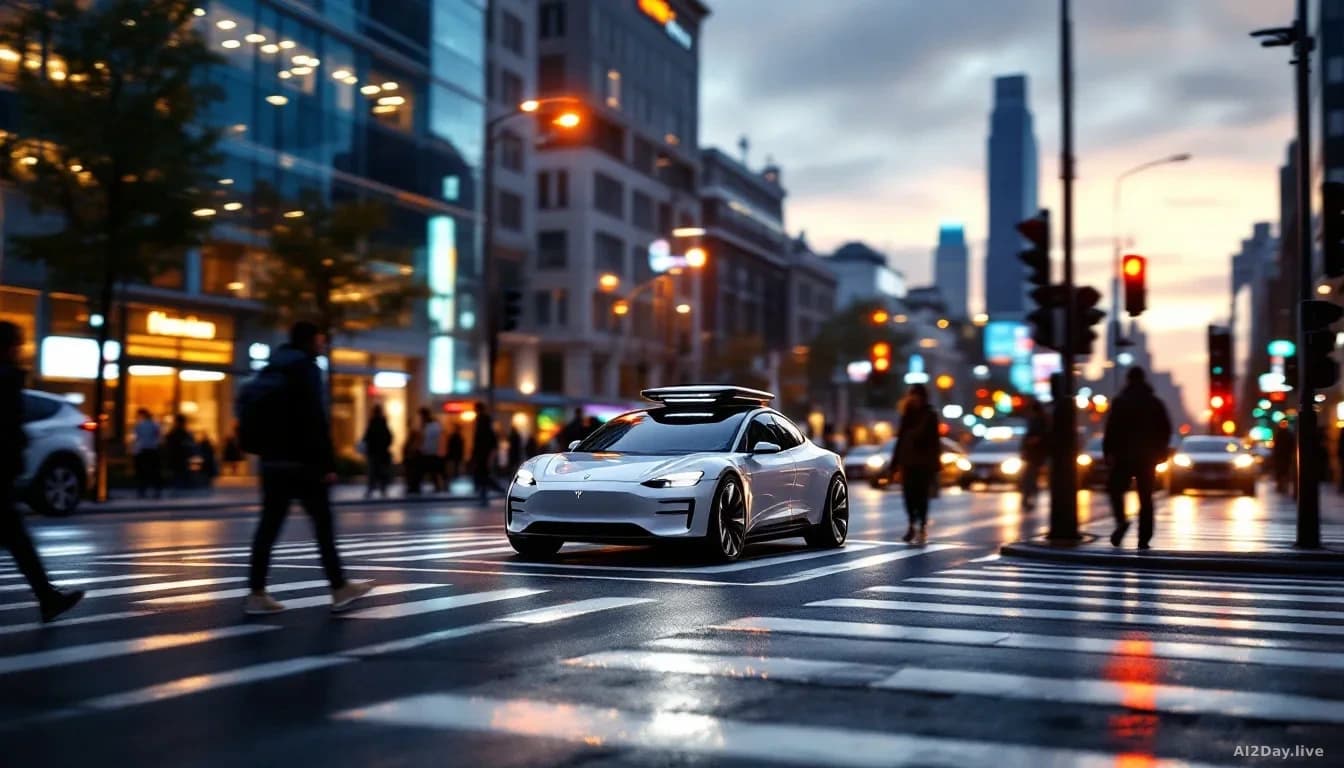
Self-driving cars. They benefit from two big advantages that other robots do not have. First, every car on the road driven by a human generates useful training data automatically. Second, a car's main job is to avoid hitting things, not to pick them up or push them around, which is a simpler physical challenge.
That head start is why companies rooted in self-driving are now entering humanoid robotics. Tesla is already doing this with its Optimus robot. Wayve and Uber have both opened new robotics research labs in 2025 focused on humanoid machines.
Alex Kendall, CEO of Wayve, told TechCrunch that manipulation robotics, meaning robots that physically handle objects, is "like self-driving five years ago." His company licenses AI driving models to car makers, a business he sees as a multi-billion dollar opportunity, and plans to use the same infrastructure to build broadly capable embodied AI.
Not everyone agrees with that brain-first approach. Théophile Gervet, CEO of Genesis AI, argues it is still too early to build a general AI brain and then attach it to whatever robot body happens to be available. His company raised $105 million in seed funding to design the hardware and the AI together from the start.
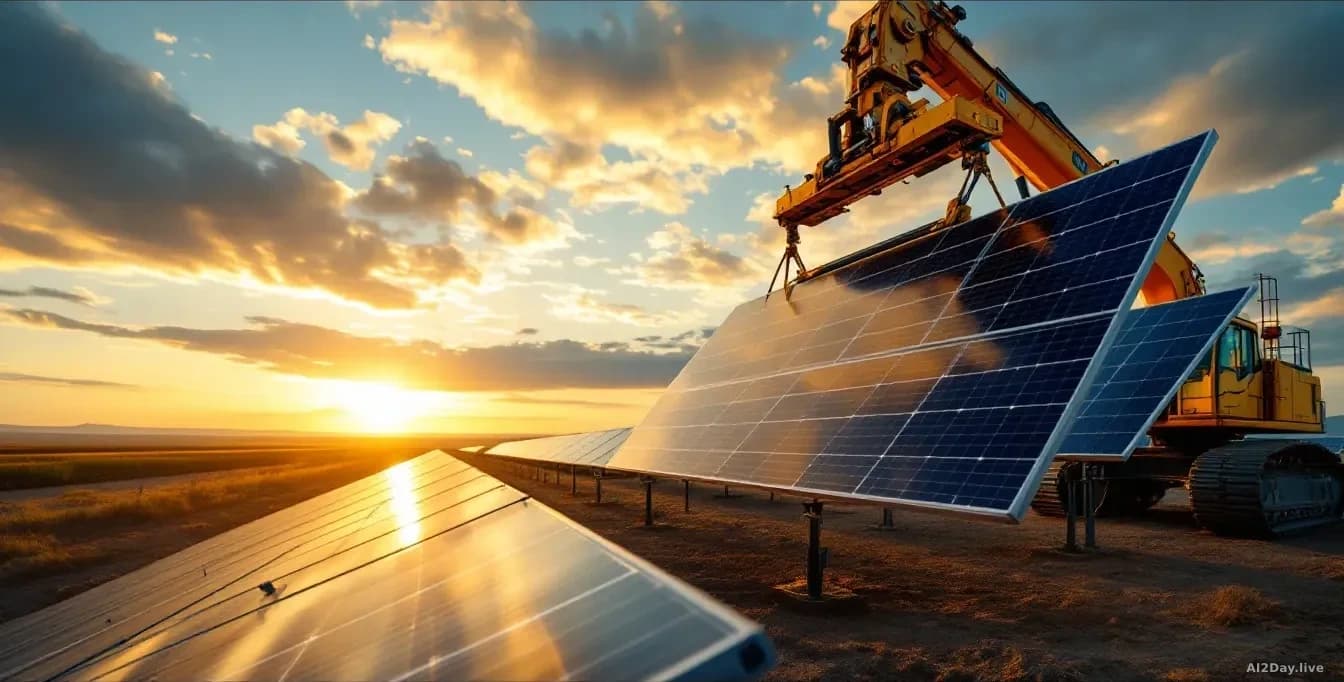
"No customer cares about the general purpose robot that works at 80% success rate," Gervet said. Robots tackling narrow, specific jobs are already shipping: Gritt builds solar farms autonomously, Agility deploys robots in warehouses, and Bedrock operates excavators without a driver.
What would a real breakthrough look like?
Leaders in the field gave three different answers to that question.
For Kendall, the moment arrives when self-driving works reliably with less than $1,000 worth of sensors in the car, a threshold that makes the technology affordable for ordinary buyers rather than just fleets.
For Gervet, it is when you can speak naturally to a robot and have it reliably handle basic physical tasks such as pushing, pulling, or tidying a table, with a success rate above 80 percent, straight out of the box.
Adrian Macneil, CEO of Foxglove, is sceptical there will be one clean moment at all. "Distribution in the real world is way harder," he said. He would settle for an Apple II moment: a home robot you can actually buy, that does something genuinely useful.
For anyone watching from the outside, the honest summary is this: the machines are moving, the money is flowing, and the hard part has barely begun.