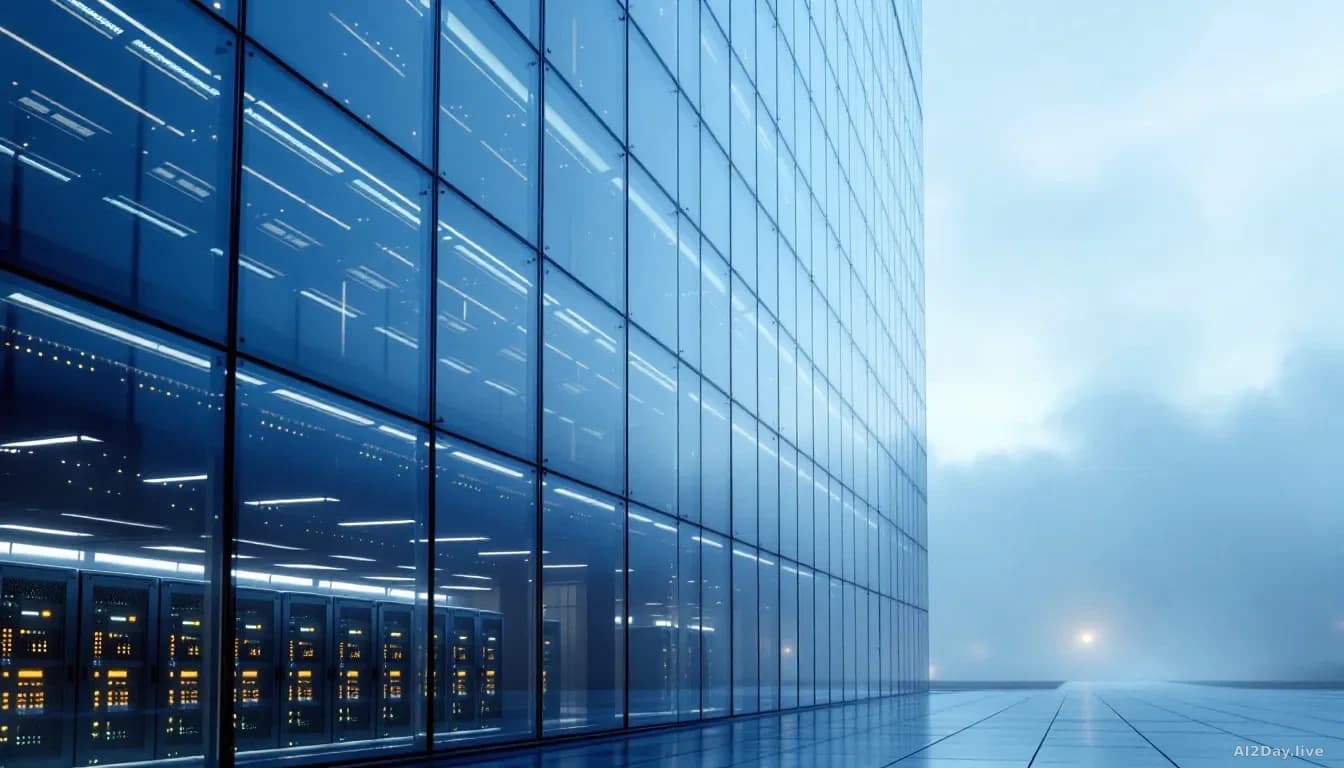
Across the US, politicians are turning against data centres. Here is why your electricity bill is part of the story.
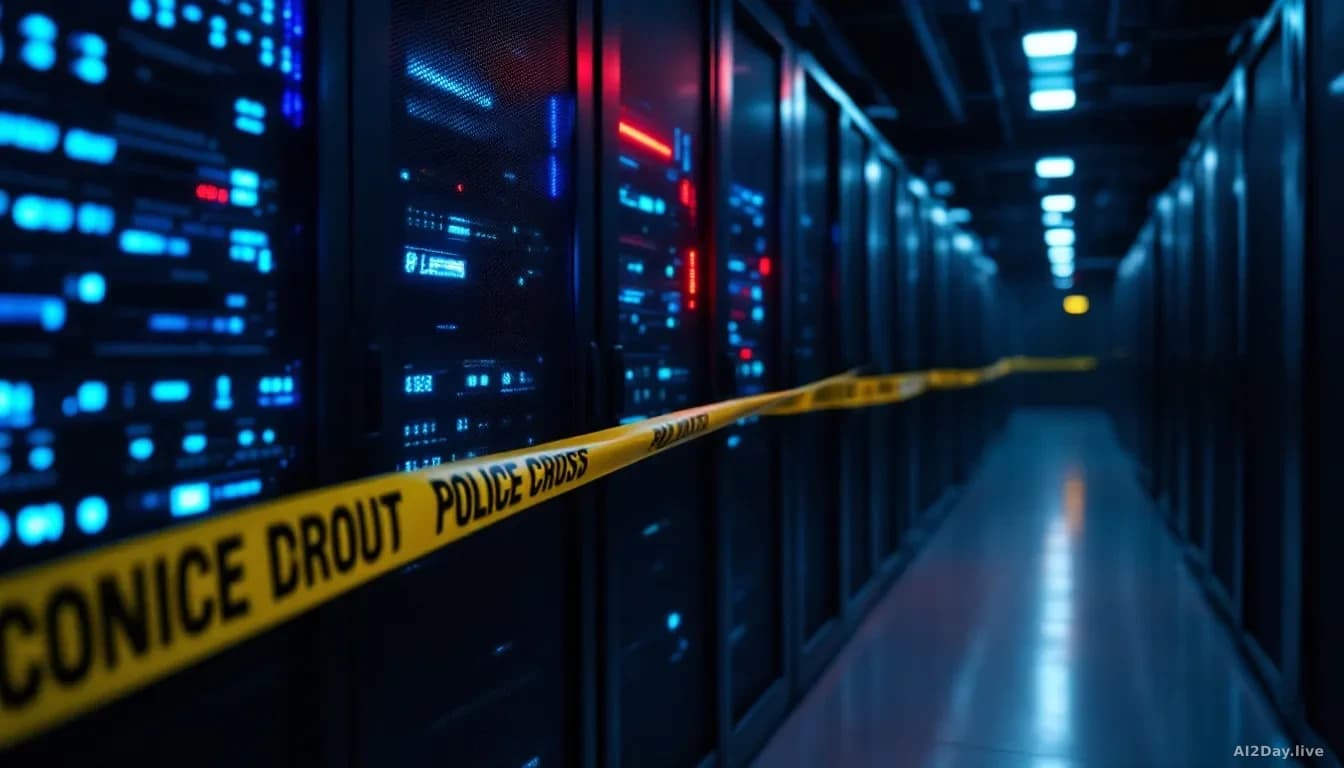
More than a dozen US states have weighed temporary bans on new data centres, the giant warehouse-like buildings that power AI services. Now ordinary energy customers are starting to understand why.
Key points
- More than a dozen US states have considered temporary bans on new data centre construction as of 2025.
- New York became the first US state to enact a temporary data centre ban, signed into law last month.
- Senator Bernie Sanders and Representative Alexandria Ocasio-Cortez have proposed a national moratorium on new data centres.
- Texas Governor Greg Abbott, a conservative, has called for a ban on data centre development in rural parts of his state.
- The backlash spans the full political spectrum, driven largely by concerns over energy demand and rising electricity costs.
Data centres, the enormous warehouse-like buildings filled with thousands of computers that store data and run AI services, have quietly become one of the most contentious construction projects in America. Now the argument is spilling into the open.
New York last month became the first US state to pass a temporary ban on new data centres. The Guardian AI first reported the broader trend: opposition is no longer a fringe position.
Why are politicians on opposite sides suddenly agreeing?
Because the electricity costs are real, and voters are starting to notice. A single large data centre can consume as much power as a small city. When many are built in the same region, they strain the local electricity grid, and that strain often shows up on household bills.
Senator Bernie Sanders and Representative Alexandria Ocasio-Cortez, both progressive Democrats, have put forward a proposal for a national pause on new data centre construction. Greg Abbott, the conservative governor of Texas, has separately called for blocking new centres in rural parts of his state. The two camps have almost nothing else in common politically. The shared concern is the grid.
What does this mean for people who use AI tools?
Nothing changes overnight. Existing data centres keep running, and the AI services millions of people use daily, from chatbots to photo editors, are not affected by building bans on new facilities. But if the moratoriums spread or become permanent, they could eventually slow the expansion of AI infrastructure, which the big technology companies say they need to keep improving their products.
For energy customers, the more immediate question is whether local regulations will require data centre operators to pay more of the true cost of the power they use, rather than spreading that cost across all electricity ratepayers.
| State / Level | Action taken | Status |
|---|---|---|
| New York | Temporary ban on new data centres | Enacted, 2025 |
| Texas | Rural development ban proposed | Called for by Governor Abbott |
| 12+ other states | Moratoria under consideration | Various stages |
| Federal (US) | National moratorium proposed | Sanders / AOC bill, pending |
Common questions
Will this slow down AI development?
Possibly, at the margins. Building bans prevent new capacity from coming online, but do not touch data centres already operating. The biggest AI companies have billions committed to construction plans, so the short-term effect on the AI tools people use today is likely small.
Could my electricity bill actually go up because of AI?
In some regions it already has. Grid operators in Virginia, Georgia and Texas have flagged rising industrial power demand, much of it from data centres, as a factor in rate pressure. Whether that translates to a visible line on your bill depends on your state's rules.
What happens next?
The national moratorium proposal faces an uncertain path through Congress. State-level bans are more likely to take hold in the near term, and several legislatures are expected to vote on the question before the end of 2025.