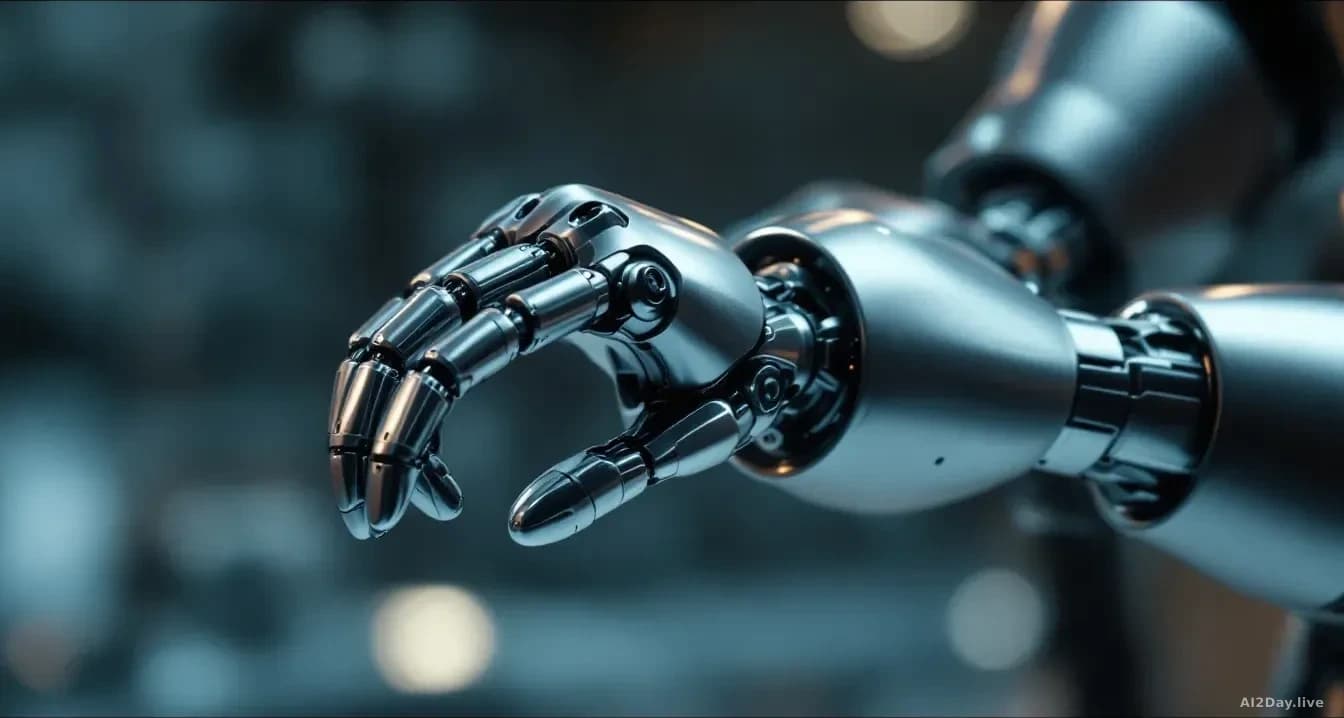
How Pressure Sensors Enhance Robotic Gripping
Pressure sensors improve the precision of robotic gripping by providing real-time data on the interaction between the robot's fingers and objects.

Key points
- Pressure sensors measure distributed mechanical stress in robotic grippers.
- These sensors help robots adjust their grip in real-time, improving precision and safety.
- Placement and calibration of pressure sensors are crucial for effective operation.
In robotic systems, particularly those used in manufacturing and logistics, the precision of robotic gripping is crucial. Grippers, the components that allow robots to hold and manipulate objects, often fail not due to lack of strength, but because they lack precise information on the object they are handling. This is where pressure sensors, which measure mechanical stress at contact points, become essential.
Pressure sensors in robotic hands do not measure force in the traditional sense. Instead, they assess how stress is distributed across the surface of the object being gripped. This helps in differentiating how various objects react to being held. For instance, a hard metal part may focus stress at specific points, while a soft object distributes pressure more evenly. More significantly, these sensors can detect these differences almost instantly, allowing the robot to adjust its grip accordingly.
How do pressure sensors work?
Pressure sensors are embedded in the finger pads of grippers and provide detailed feedback on the interaction between the fingers and the object. This feedback helps the robot's control system to switch from mere motion control to more sophisticated interaction control. In essence, the robot can adjust its actions based on the real-time data received, improving its ability to handle objects of varying shapes and fragility.
While other sensors, like force-torque sensors, measure overall load, they can't pinpoint what's happening at specific fingers. Tactile sensors offer detailed spatial data but are often costly and complex. Pressure sensors strike a balance by being both effective and practical for industrial use.
Why does sensor placement matter?
The placement of these sensors within the gripper is strategic. Sensors are typically embedded in soft finger pads, which helps in measuring direct contact but may filter some mechanical details. Alternatively, placing sensors behind a rigid surface can improve durability but might reduce sensitivity to small changes, like the initiation of a slip.
In fast-paced environments, multiple sensors along the finger length can differentiate between fingertip and palm contact. This is particularly useful when handling irregularly shaped objects where grip stability might require uneven pressure distribution.
Common questions
How do pressure sensors affect safety?
Pressure sensors enhance safety by allowing robots to adjust their grip based on real-time stress data, minimizing the risk of damage or injury in collaborative environments.
Are pressure sensors replacing other types of sensors?
No, pressure sensors complement existing sensors by providing mid-level data that is crucial for gripping decisions, rather than replacing force or tactile feedback.
Can these sensors handle different environments?
Advanced pressure sensors are designed to function effectively in various environments, though adjustments may be needed to account for temperature changes and mechanical wear.