Google et Tesla brûlent des milliards pour l'IA. Wall Street commence à se poser des questions.
Les deux géants technologiques ont annoncé des revenus meilleurs que prévu, avant de voir le cours de leurs actions chuter. Le coupable : des dépenses d'IA vertigineuses dont les rendements ne sont pas encore visibles pour les investisseurs.
Points clés
- Alphabet a relevé ses prévisions de dépenses d'investissement pour 2025 à une fourchette de 195 à 205 milliards de dollars, contre une fourchette antérieure de 180 à 190 milliards.
- Le flux de trésorerie disponible de Tesla est devenu négatif au deuxième trimestre 2025, affichant un déficit de 1,1 milliard de dollars après avoir généré 1,44 milliard au trimestre précédent.
- Le flux de trésorerie disponible d'Alphabet est tombé à -5,9 milliards de dollars au T2, comparé à près de 25 milliards un an plus tôt.
- Les revenus du cloud d'Alphabet ont augmenté de 82 % en glissement annuel, bien au-delà des attentes des analystes.
- Meta, Microsoft, Amazon et Apple doivent tous publier leurs résultats trimestriels la semaine suivant ces annonces.
Deux des plus grands noms de la technologie ont dépensé sans compter cette semaine, ce qui a provoqué une vente massive de leurs actions. Alphabet, la maison mère de Google, et Tesla, le constructeur de véhicules électriques, ont tous deux dépassé les prévisions de revenus du deuxième trimestre 2025, avant de voir leurs actions baisser après la fermeture des marchés. Alphabet a perdu plus de 3 %. Tesla a chuté de 4 %. Dans les deux cas, la raison était que l'argent sortait plus vite que ne l'attendaient les investisseurs.
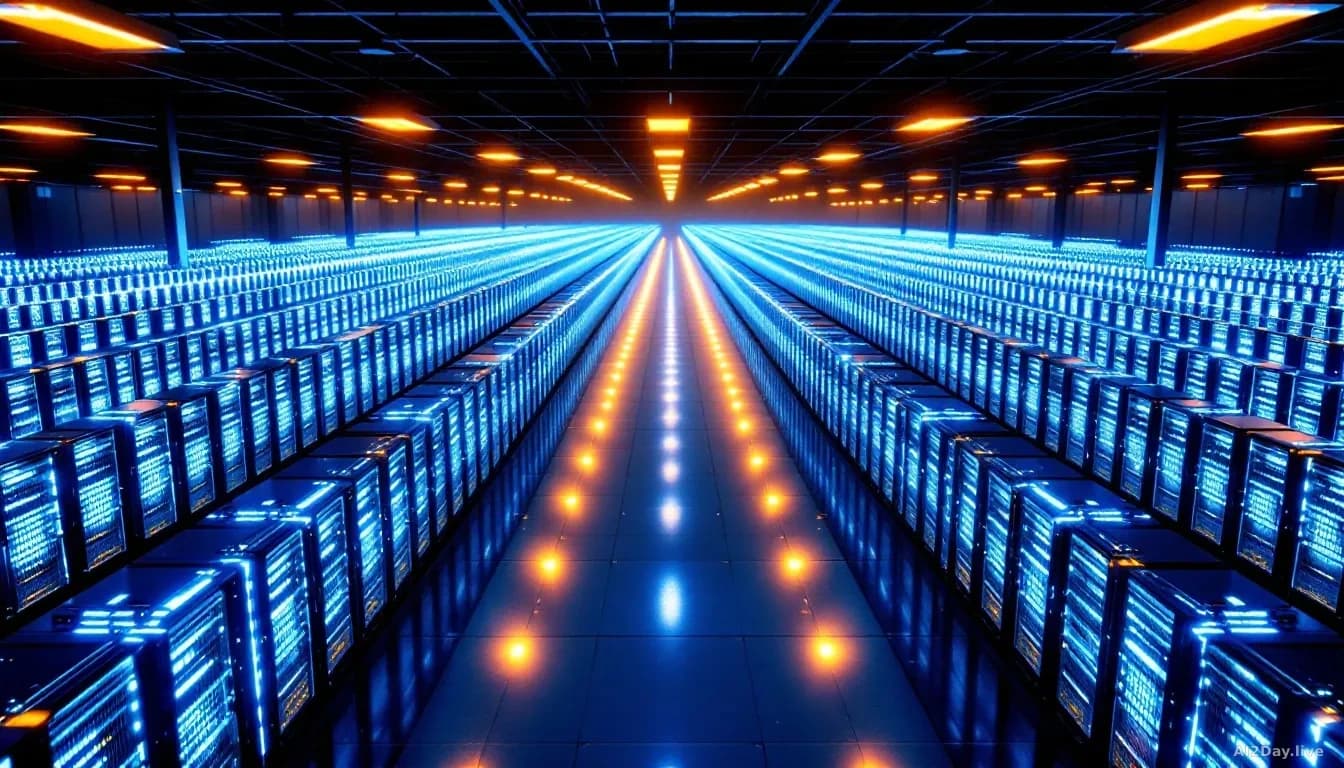
Les dépenses d'investissement, ou capex, désignent l'argent que les entreprises consacrent à des éléments physiques qu'elles s'attendent à utiliser pendant des années : bâtiments, serveurs, puces informatiques spécialisées. Pour les entreprises d'IA en ce moment, cela signifie des centres de données, ces bâtiments de la taille d'un entrepôt remplis d'ordinateurs puissants nécessaires pour entraîner et exploiter les systèmes d'intelligence artificielle. Alphabet a déclaré avoir dépensé 44,9 milliards de dollars en capex au seul deuxième trimestre, et ses prévisions pour l'année se situent maintenant entre 195 et 205 milliards de dollars. Tesla s'est engagée à dépenser plus de 25 milliards pour l'année, un chiffre qui représenterait une croissance d'environ 200 % par rapport à 2024.
Pourquoi sort-on autant d'argent ?
Les deux entreprises font la course pour construire l'infrastructure qu'elles croient que l'IA exigera. Alphabet élargit ses centres de données pour soutenir son modèle d'IA Gemini, la technologie qui rivalise avec ChatGPT, et pour développer son activité de cloud computing, qui loue de la puissance informatique à d'autres organisations. Tesla réaménage ses usines pour produire la Cybercab, un taxi autonome à deux places, et Optimus, son robot humanoïde, tout en commençant la construction d'une usine de fabrication de puces d'IA au Texas.
Le PDG Elon Musk l'a énoncé clairement lors de l'appel aux résultats : « Nous devrions dépenser en capex aussi vite que nous le pouvons, aussi vite que possible sans que ce soit trop gaspilleur. » Il a comparé l'ampleur du développement à la production de masse de la Model T par Henry Ford, l'appelant « probablement l'expansion industrielle la plus rapide depuis la Seconde Guerre mondiale en Amérique. »
Les gens ordinaires devraient-ils s'inquiéter ?
Pas directement, pour l'instant. La douleur retombe sur les actionnaires, pas sur les clients ou les salariés. L'activité publicitaire principale d'Alphabet reste solide, et sa division cloud croît rapidement. Les analystes de Mizuho ont décrit l'augmentation des dépenses d'investissement de Google comme « largement anticipée » et ont souligné que les revenus du cloud ont bondi de 82 % par rapport à un an plus tôt, ce qui indique que les investissements produisent déjà des résultats.
La préoccupation plus large concerne l'ensemble de l'industrie technologique. Meta, Microsoft, Amazon et Apple publient tous leurs résultats la semaine suivante, et les investisseurs examineront leurs plans de dépenses tout aussi attentivement. La majeure partie du développement de l'IA jusqu'à présent a reposé sur un petit groupe d'entreprises versant de l'argent aux développeurs de modèles d'IA, notamment OpenAI et Anthropic. Les modèles d'IA open-source moins chers, dont beaucoup proviennent de Chine, exercent une pression sur ces paris, soulevant des questions sur le fait que les rendements justifieront les coûts.
| Entreprise | Capex T2 2025 | Flux de trésorerie disponible T2 2025 | Prévisions de capex pour l'année complète |
|---|---|---|---|
| Alphabet | 44,9 milliards de dollars | -5,9 milliards de dollars | 195 à 205 milliards |
| Tesla | 5,79 milliards de dollars | -1,1 milliard de dollars | 25 milliards + |
| Amazon | Pas encore rapporté | Pas encore rapporté | 200 milliards + (guidance antérieurs) |
Rebecca Wettemann, PDG d'un cabinet de recherche technologique, s'exprimant auprès de CNBC, a déclaré que l'activité principale de Google « devrait calmer certaines craintes du marché concernant les dépenses excessives en IA ». Le consultant en investissement Keith Fitz-Gerald a établi des parallèles avec Amazon et Netflix, des entreprises qui ont sacrifié les bénéfices à court terme pour construire l'infrastructure qui a généré plus tard d'énormes rendements. Le marché tente toujours de déterminer si ce parallèle s'applique aux dépenses d'IA à cette échelle.