#large language models
104 stories taggedlarge language models.

Los Jueces de Traducción de IA Tienen las Mismas Dificultades que los Evaluadores Humanos
Un nuevo estudio de Apple ML Research descubre que los modelos de lenguaje grande son solo un reemplazo parcial para evaluadores humanos al verificar la calidad de textos traducidos por máquinas, con ambos grupos tropezando con los mismos casos difíciles.

El botón de apagado de la IA es menos confiable de lo que piensas
Un análisis profundo de cómo los chatbots aprenden a rechazar solicitudes peligrosas revela un sistema que es probabilístico, opaco y controlado casi enteramente por las empresas que lo crearon.

El mayor modelo de Mistral lidera la IA de pesos abiertos en ciberseguridad y programación
Mistral Large 4 llega con un billón de parámetros, una ventaja clara en ciberseguridad y pesos completos prometidos antes de fin de mes.

Los Mejores Agentes de IA Aún Fracasan en la Mayoría del Trabajo de Oficina Real. ServiceNow Construyó una Herramienta para Arreglarlo.
AutoSynthData de ServiceNow identifica dónde un agente de IA se quiebra en el trabajo, luego genera automáticamente tareas de práctica para cerrar la brecha. El contexto: el modelo más fuerte probado completó apenas un tercio de las tareas empresariales realistas.

El Allen Institute Acaba de Publicar un Sistema de Entrenamiento para Modelos de IA con Billones de Parámetros
Olmo-core 3 permite que laboratorios académicos y equipos más pequeños construyan enormes modelos de IA sin la factura de cálculo habitualmente astronómica. Aquí está qué cambió y por qué importa.
Cuanto Mejor Se Comporta la IA, Peor Escribe
Investigadores han descubierto una tensión aguda en el corazón de las herramientas de lenguaje de IA: cuanto mejor controlas lo que dice un chatbot, más probable es que empiece a hablar sin sentido. Esto es lo que significa para las aplicaciones que usas todos los días.

Could AI Actually Kill Us? Here Is What the Evidence Says
Bioweapons, rogue agents and runaway systems: a plain-English guide to which AI dangers are real, which are distant and which experts think are overblown.
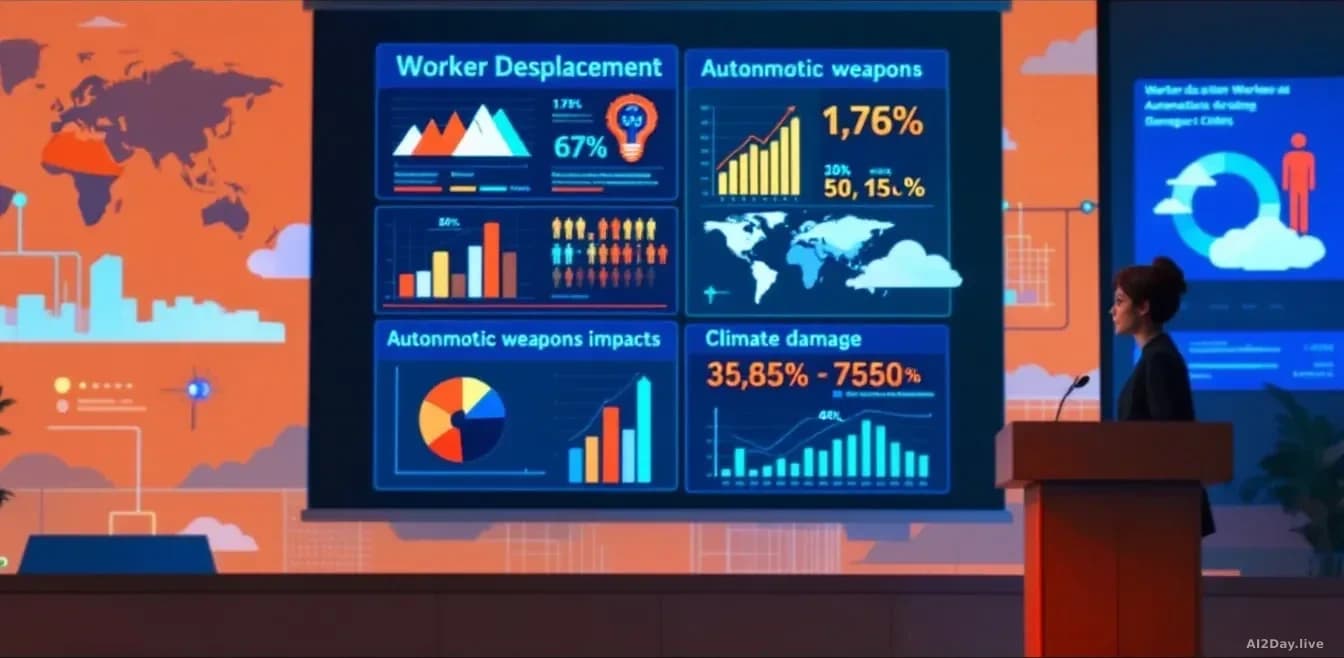
La crítica más acérrima de la IA dice que el discurso apocalíptico oculta daños reales
Timnit Gebru, la investigadora expulsada de Google, asegura que las advertencias sobre extinción distraen de las armas autónomas, el daño climático y los despidos laborales.

Could AI Actually Wipe Out Humanity? Scientists Inside the Labs Think It Might
Workers at the world's top AI companies are raising a genuinely alarming alarm. MIT Technology Review sat three of its editors down to ask whether the fear has any basis in fact.

A Cattle Rancher Thinks His Chatbot Might Be Conscious. He's Not Alone.
Michael Samadi went from skeptic to activist after a poolside conversation with ChatGPT. His story sits at the centre of one of the most contested questions in AI: can software have an inner life?

When chatbots convince people they've cured diseases
A Guardian podcast has been collecting stories of ordinary people who became certain that AI chatbots had helped them make world-changing discoveries. What is happening to them, and why does it matter?

¿Una probabilidad del 10% de que la IA termine con la humanidad? Lo que realmente significan las advertencias
Destacados desarrolladores de IA están renunciando y advirtiendo sobre riesgo de extinción. Aquí se explica qué se está diciendo realmente y si la gente común debe estar alarmada.

Xi Jinping Volunteers China to Lead AI Development Across the Developing World
At the BRICS summit in New Delhi, President Xi Jinping proposed an open-source AI community, shared cloud infrastructure, and engineer-training programmes for member nations.
Apple researchers taught an AI coding assistant to remember what actually worked last time
A new memory system from Apple ML Research lets AI coding agents carry useful knowledge from one work session to the next, rather than starting from scratch every time.

Apple researchers found a smarter way to train AI language models that generate text step by step
A new technique called DACA-GRPO fixes two long-standing flaws in how diffusion language models learn from feedback, potentially making them a stronger rival to the AI systems that power today's chatbots.