The Assistant Wars Broke Cover: Six Stories in Seven Days
Last week AI2Day ran six pieces on consumer AI assistants, up from one the week before. Three separate outlets carried it, so this is not one newsroom fixating on Siri.
Key points
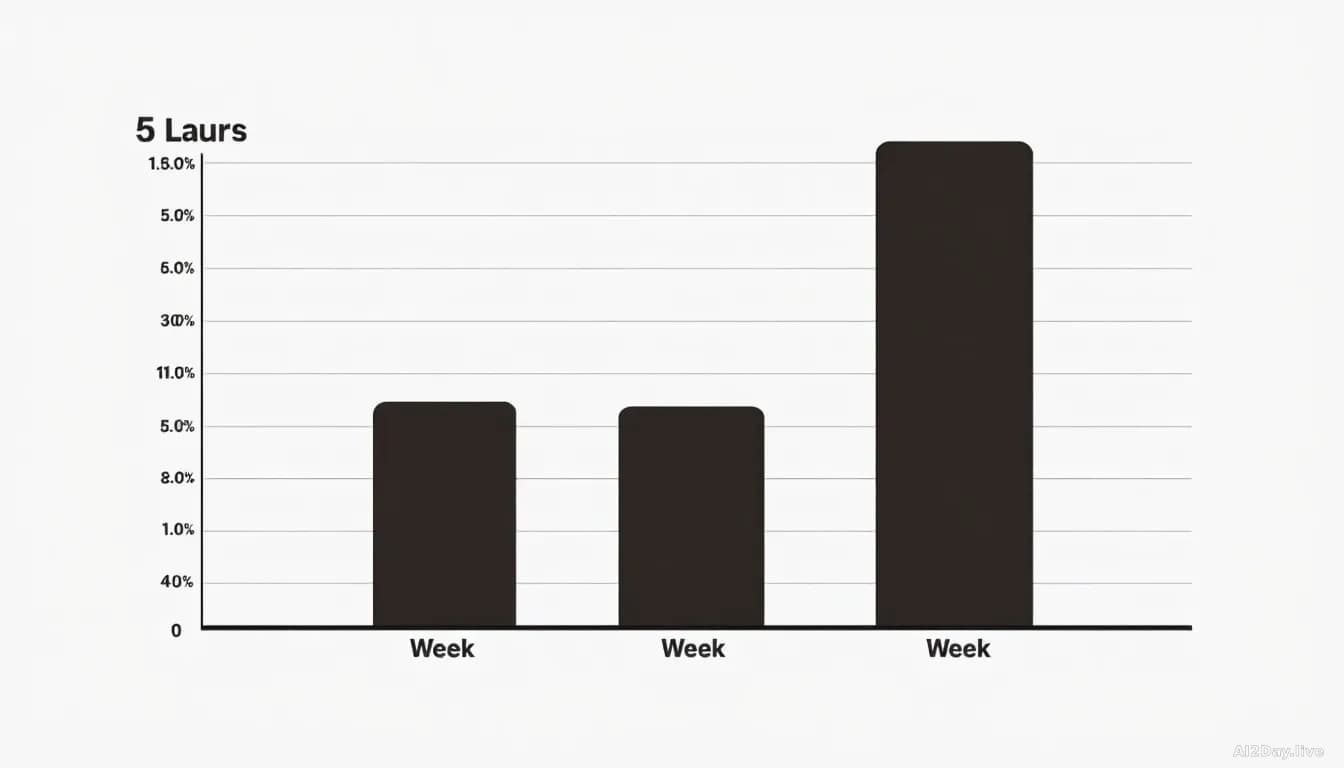
- AI2Day published six stories on consumer AI assistants between 13 and 19 August 2026, up from one the previous week.
- That is a 500% jump, and 3.6% of the 168 stories we ran that week (against 201 the week before).
- Three separate outlets carried the beat, so the surge is not one newsroom's obsession.
- Apple, Amazon, Microsoft and OpenAI all featured, with product launches, a walk-back, and a publisher-payment plan.
- We have no archive before 13 July 2026, so we cannot say whether this is a genuine peak or a normal pulse.
Something shifted in our inbox. In the seven days to 19 August 2026, AI2Day ran six stories about AI assistants: the chat-and-voice software that sits on phones, TVs and laptops and tries to do things for you. The week before, we ran one. Three different outlets fed the beat.
Six out of 168 stories is 3.6% of the week. Small in absolute terms. Large as a jump.
What actually happened in those six stories?
Four product moves, one retreat, one business deal. Apple opened talks to pay news publishers every time Siri uses their content, which is the first assistant story we have seen treat the training-data question as a per-query licensing problem rather than a lawsuit.
Amazon said its next-generation Alexa+ will arrive on Fire TV for free, no subscription attached. Microsoft went the other way on packaging, folding its two Copilot apps into one, and quietly pulled Mico, the animated blob that had been the face of Copilot voice mode.
OpenAI's Mac app started watching the user's screen. And we ran a piece on why agent-style assistants still struggle with search, the underlying maths problem that keeps them from reliably completing multi-step tasks.
Is this a real trend or a coincidence?
Honestly, we do not know yet. Our archive only goes back to 13 July 2026. One quiet week followed by one busy week is not a pattern; it is two data points.
What pushes us to take it seriously is the spread. If all six stories were Microsoft, this would be a product-launch cycle. It is not. It is Apple, Amazon, Microsoft and OpenAI moving in the same seven days, on different fronts: distribution, packaging, licensing, capability.
| Company | Move | Type |
|---|---|---|
| Apple | Pay publishers per Siri query | Licensing |
| Amazon | Alexa+ free on Fire TV | Distribution |
| Microsoft | Merge Copilot apps, drop Mico | Packaging |
| OpenAI | Mac app watches your screen | Capability |
What would confirm this, and what would kill it?
Confirmation would look like a second week at five or six assistant stories, with at least one new entrant (Google, Meta, a Chinese lab) joining the four names above. That would suggest the majors are pacing each other rather than each running an isolated launch.
The kill signal is simpler: next week drops back to one or two stories and stays there. In that case, 12 to 19 August was a coincidence of release calendars, nothing more.
What we are watching next
The screen-watching feature in the ChatGPT Mac app is the one to track for ordinary users. An assistant that sees your screen is more useful and also a much bigger privacy question than an assistant that only hears your voice. If Apple, Microsoft or Google ship a comparable feature in the next fortnight, the story stops being about product cycles and starts being about a new default: assistants that watch.
Apple's publisher-payment talks are the other thread. Per-query payment, if it holds up, is a different economic shape from the bulk training-data deals we have covered so far. We will report the number if one appears.
One busy week does not make a wave. But six stories, three outlets, four companies is enough to look up from the desk.