Texas Senate Candidate Ken Paxton Releases 'Texas First' Datacenter Plan, With an AI-Made Graphic to Prove It
The Trump-endorsed Republican wants to limit the 'negative impact' of datacenters. His announcement image was flagged by X as artificially generated.

Key points
- Ken Paxton, a Republican running for US Senate in Texas, published a policy plan targeting datacenters on X in 2025.
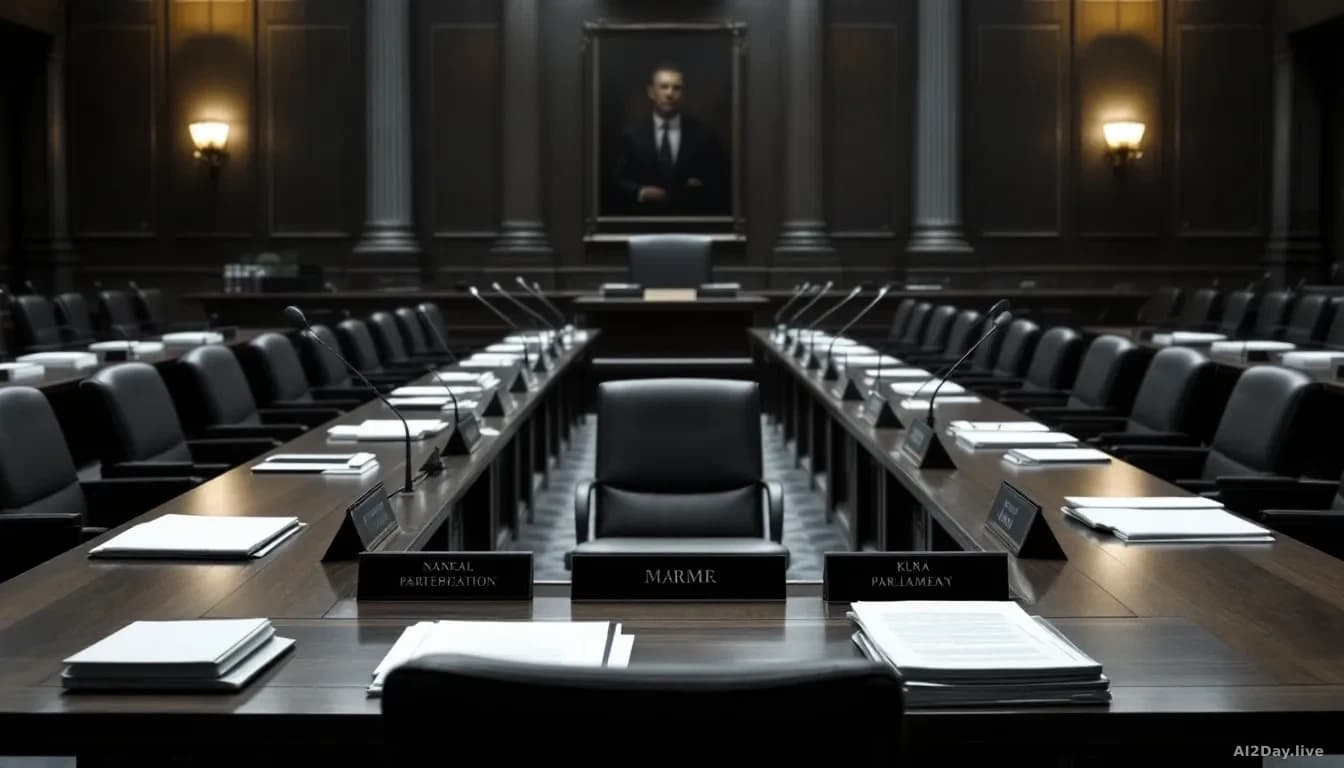
- X, the social media platform formerly known as Twitter, automatically labelled Paxton's announcement graphic as "Made with AI".
- Paxton faces Democrat James Talarico in what polls describe as a close race.
- Donald Trump has endorsed Paxton for the Texas Senate seat.
- Backlash against datacenters, the large warehouse-style buildings packed with computer servers that power AI services, is growing across both political parties.
Ken Paxton wants to talk about datacenters. The image he chose to do it with gave the game away first.
Paxton, the former Texas Attorney General running for a US Senate seat, posted what he called a "Texas first" datacenter policy plan to X this week. X added a small label to the announcement graphic: "Made with AI." The platform applies that tag automatically when its systems detect an image was generated by artificial intelligence software rather than a camera.
What is Paxton actually proposing?
The plan targets what Paxton calls the "negative impact" of datacenters, though the post offered little technical detail beyond that phrase. Datacenters are large buildings packed with thousands of computer servers, the machines that store data and run everything from streaming video to AI chatbots. They consume enormous amounts of electricity and water for cooling, which has made them politically toxic in communities where they land.
Paxton isn't alone in pushing back. Frustration with datacenter expansion has surfaced among Republican and Democratic politicians alike, making it one of the rare issues cutting across party lines. We reported on 4 August 2026 how ordinary Americans from MAGA rallies to environmental protests are furious about the AI infrastructure going up in their backyards. Residents near proposed sites have complained about noise, power grid pressure, and water draw.
Why does the AI-labelled graphic matter?
It's an awkward detail, not a scandal, but it's hard to miss. A candidate promising to manage AI's downsides announced that policy with an image an AI tool made for him. X's automatic labelling system caught it.
For ordinary voters, the label is a small but visible reminder that AI-generated images now appear routinely in political communications, and that platforms are at least trying to flag them. The Guardian first reported the labelling detail.
Paxton faces Democrat James Talarico in what is shaping up as a competitive race. Trump's endorsement gives Paxton a meaningful boost in a state where the former president remains popular, but Talarico has run a well-funded campaign.
What does this mean for voters following the race?
Texas residents should expect datacenters to stay in the news through election season. Both candidates will sharpen their positions on energy draw and who benefits when tech companies plant large facilities in the state.
For everyone else, this is a small sign of where political advertising is heading. Candidates across the country are using AI tools to produce campaign graphics quickly. Platforms are starting to label them. Whether voters care is a question November will answer. Our 11 August 2026 story on Apple's tool to certify that an iPhone photo is real, not AI-generated shows just how fast the authentication arms race is moving.
The irony here is almost too neat: a policy designed to rein in AI, promoted with an AI image, caught by an AI detection system. That loop tells you more about where campaigns are right now than any press release could.
Common questions
What is an AI-generated image label on X?
X automatically tags photos and graphics that its systems detect were created by AI software rather than taken with a camera, so viewers know the image didn't come from a real-world photograph.
Why are datacenters controversial in Texas?
Datacenters draw huge amounts of electricity and water, straining local power grids and water supplies, and residents near them often report constant low-level noise from cooling fans running around the clock.