Dentro de la Mano Robótica que Puede Recoger una Bolsa de Plástico
Locus Robotics compró una startup canadiense de agarre para resolver uno de los problemas más difíciles en la automatización de almacenes: recoger cosas blandas, flexibles o incómodas que las ventosas simplemente no pueden manejar.

Puntos clave
- Locus Robotics adquirió Nexera Robotics, una startup de Vancouver, para añadir su tecnología de agarre blando NeuraGrasp al robot móvil Array.
- Array se lanzó en marzo de 2025 con un gripper de ventosa estándar; la próxima aparición pública del robot probablemente presentará tecnología NeuraGrasp, según Locus.
- Los grippers de ventosa estándar manejan aproximadamente el 60 a 70 por ciento de los artículos de almacén bien; los grippers blandos como NeuraGrasp están diseñados para cerrar la brecha restante.
- Los ejecutivos de Locus dicen que la calidad del recogida, no la velocidad, es su prioridad principal, señalando el daño del producto y los recogidas perdidas como costos ocultos que rara vez aparecen en el marketing de competidores.
- Dos problemas siguen ralentizando a toda la industria: la inteligencia de IA que se queda atrás del hardware físico, y los sensores táctiles que se desgastan rápidamente.
Imagina a un trabajador de almacén metiendo la mano en un contenedor y sacando una bolsa de plástico floja, un artículo de tela arrugado, o un pequeño recipiente con una forma incómoda. Fácil para un humano. Genuinamente difícil para un robot.
Ese es el problema que Locus Robotics está tratando de resolver.
¿Qué compró exactamente Locus y por qué?
Locus adquirió Nexera Robotics, una empresa con sede en Vancouver, Canadá, para obtener, literalmente en sus manos, NeuraGrasp, un sistema de agarre blando que utiliza tanto succión como pellizco. Nexera había estado refinando la tecnología a través de al menos seis generaciones de productos antes del acuerdo.
Roy Belak, vicepresidente sénior de agarre robótico de Locus y exdirector ejecutivo de Nexera, le dijo a The Robot Report que las dos empresas se conocieron en MODEX, una importante feria comercial de la cadena de suministro, en 2025. El momento fue importante. Locus estaba preparando su robot Array, un robot móvil autónomo equipado con un brazo de recogida guiado por visión, para implementaciones de clientes iniciales. Array ya llevaba un suministro de aire y conexiones de energía que NeuraGrasp necesitaba, lo que hizo que encajar el nuevo gripper fuera mucho más simple de lo que podría haber sido.
"Creo que si hubiéramos perdido esa ventana por otro año, probablemente habría sido muy difícil hacer esos cambios", dijo Belak.
¿Por qué importa tanto el estilo de agarre?
Las ventosas, del tipo utilizado en la mayoría de los robots de almacén hoy en día, son rápidas y confiables. Según Belak, la succión maneja el 60 a 70 por ciento de los artículos típicos de almacén sin problemas. El problema es el otro 30 a 40 por ciento: las bolsas de plástico porosas dejan escapar aire, los artículos de tela no tienen una superficie plana para sellar, y algunos contenedores pequeños simplemente son demasiado ligeros o tienen formas demasiado extrañas.
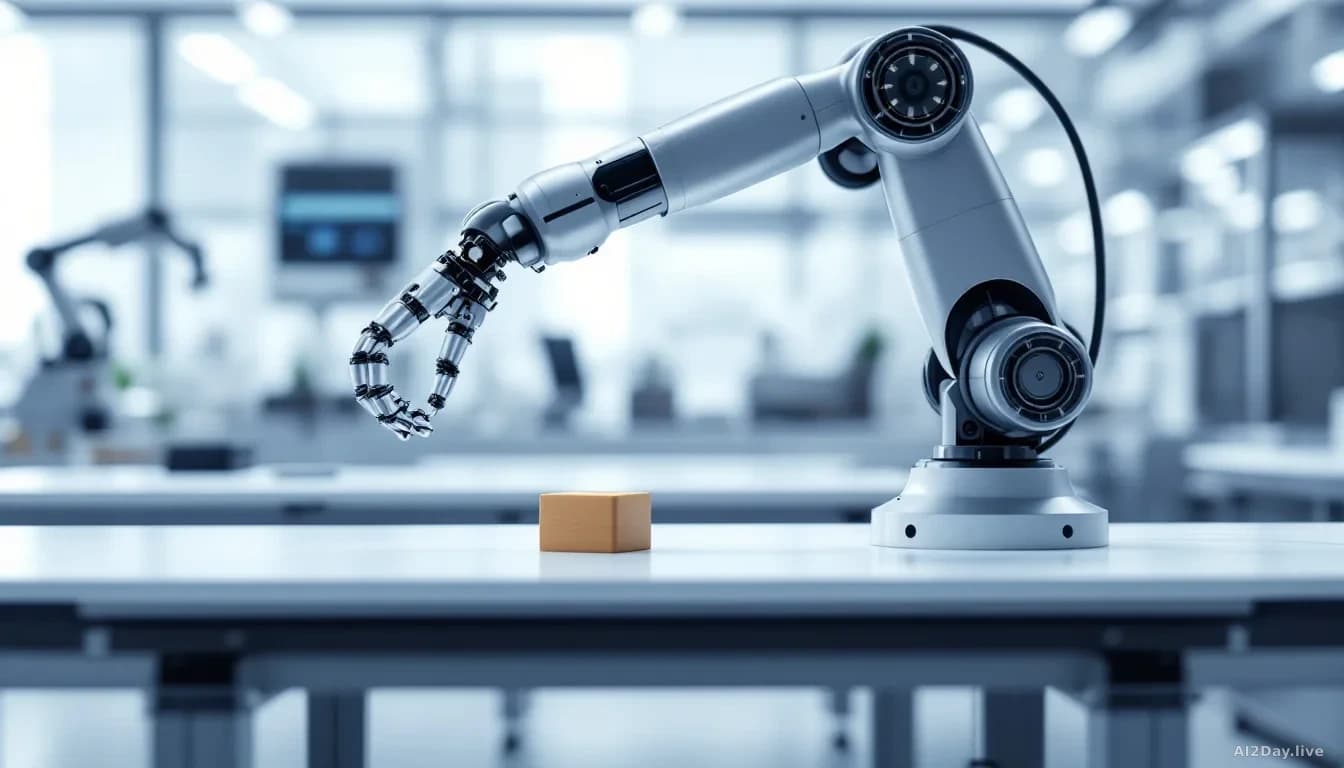
NeuraGrasp aborda esto combinando succión con un movimiento de pellizco, utilizando extremos blandos y flexibles que pueden adaptarse a formas irregulares. Piensa en la diferencia entre un desatascador de inodoro y una mano humana. Ambos pueden agarrar cosas, pero uno se adapta.
Belak es claro en que la succión no desaparecerá. "Si no está roto, no lo tiras", dijo. NeuraGrasp está pensado para extender lo que Array puede manejar, no para reemplazar un sistema que ya funciona la mayoría de las veces.
¿Deberían los operadores de almacén preocuparse por la velocidad o la calidad primero?
Calidad primero, luego velocidad. Esa es la posición declarada de Locus, y es una muy clara.
Belak argumenta que la industria se ha enfocado demasiado en cifras de recogidas por hora mientras subestima las tasas de daño, recogidas dobles (agarrar accidentalmente dos artículos) y recogidas incorrectas (agarrar el artículo equivocado). Cada uno de esos errores cuesta dinero silenciosamente, sin aparecer en una especificación de titular.
"Hay una gran diferencia entre poder hacer algo y poder hacer las mismas tareas con alta calidad", dijo.
¿Qué sigue frenando la recogida robótica?
Dos cosas, según Belak. Primero, el software de IA que le dice a una mano robótica cómo agarrar un objeto desconocido no ha seguido el ritmo del hardware físico. Segundo, los sensores táctiles, que permiten que un robot sienta si tiene un agarre seguro, tienden a degradarse rápidamente en uso del mundo real y son difíciles de replicar con datos de entrenamiento simulados.
"Hay una pieza del sistema físico que falta, que es el sentido del tacto", dijo Belak. NeuraGrasp sí incluye algún sensor táctil, y Locus dice que planea desarrollar esa capacidad más adelante.
Para las personas que trabajan o dirigen almacenes, la conclusión práctica es clara: la recogida robótica está mejorando en el manejo de artículos incómodos que previamente requerían una mano humana, pero aún no está allí en todo el rango de productos. Locus espera que Array aparezca públicamente con tecnología NeuraGrasp en su próxima aparición en una feria comercial.
Preguntas frecuentes
¿Reemplazará esta tecnología a los trabajadores de almacén?
Locus posiciona Array como una herramienta para manejar volúmenes más altos de tipos de productos, no para eliminar personal. Los robots móviles autónomos existentes de la empresa han asistido en más de 6 mil millones de recogidas junto a trabajadores humanos en lugar de reemplazarlos completamente.
¿Qué es exactamente un gripper blando?
Un gripper blando es una mano robótica construida con materiales flexibles, en lugar de metal o plástico rígido, para que pueda envolver o pellizcar objetos con formas irregulares sin aplastarlos. NeuraGrasp combina esa flexibilidad con succión para cubrir una gama más amplia de artículos que cualquiera de los enfoques por sí solos.
¿Cuándo estará NeuraGrasp disponible para los clientes de Locus?
Locus no ha dado una fecha definitiva. Belak dijo que la próxima demostración pública de Array probablemente presentará la tecnología, y las implementaciones iniciales actuales aún utilizan el gripper de succión original.