How Journalists Used Claude to Map a Decade of Deaths Along the US-Mexico Border
MIT Technology Review spent 15 months building the first comprehensive picture of migrant deaths near US border surveillance towers. For three Texas counties, they turned to an AI to read thousands of pages of police reports. What that choice reveals about both the technology and the crisis.
Key points
- Journalists used Anthropic's Claude to extract GPS coordinates from over 4,000 pages of Texas sheriff records covering migrant deaths between 2015 and 2026.
- Border Patrol estimates more than 10,000 people have died crossing the US-Mexico border since 2000, a figure it acknowledges is an undercount.
- The investigation, a collaboration between MIT Technology Review and Times of San Diego, is the first to map deaths against the locations of US Customs and Border Protection surveillance towers.
- Texas counties charged between $300 and $1,300 per public records request, and records arrived handwritten, incomplete, or not at all.
- AI2Day has followed the tension between surveillance technology and civil liberties across 10 stories since 16 July 2026.
Somewhere in south Texas, a county report has a tick-box for whether a burglar entered through a chimney. There's no box for whether the person who died was crossing the border.
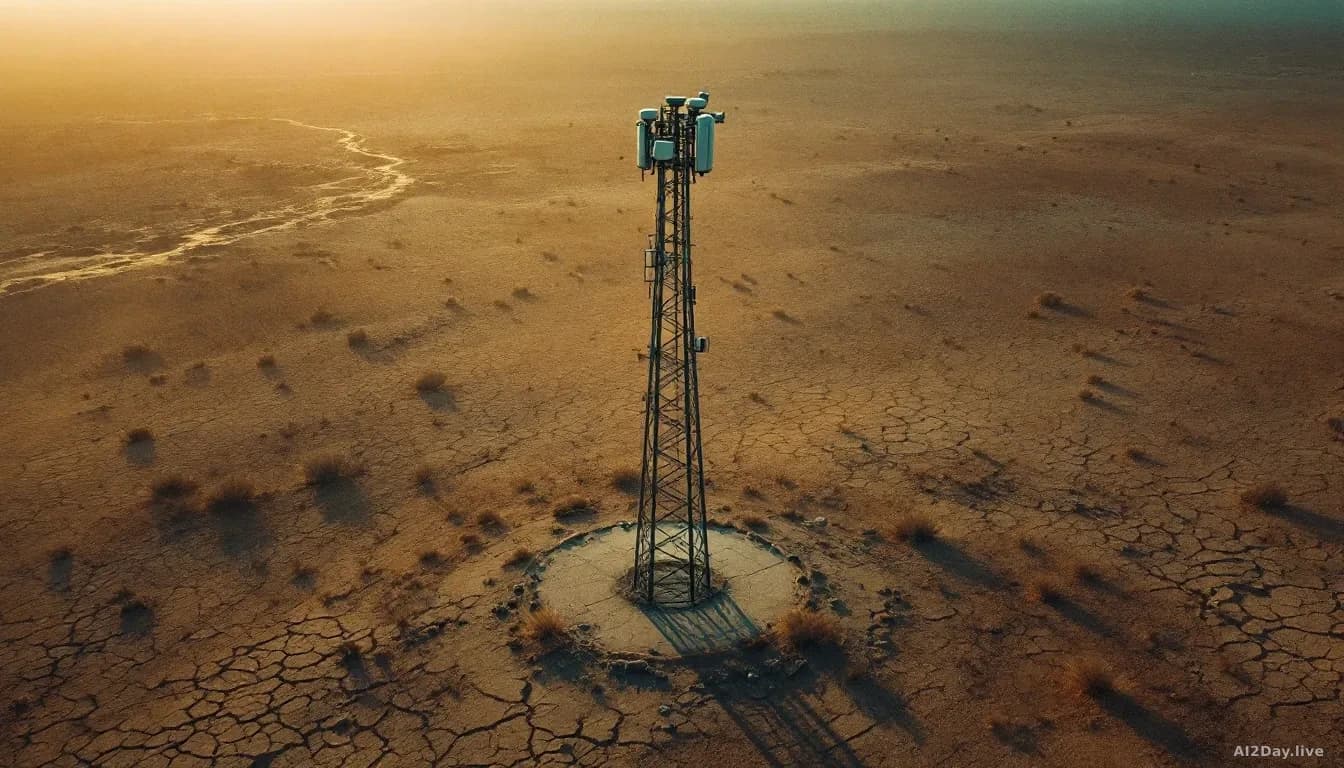
That detail, buried in 15 months of reporting by MIT Technology Review, captures the problem in miniature. The US government has spent billions on surveillance towers along the border. It hasn't built anything close to a reliable system for counting the people who die near them.
What did the journalists actually do?
The reporting team mapped more than 1,500 Texas migrant deaths against the locations of border surveillance towers, pulling records from 14 counties between July 2025 and February 2026. For three of those counties, Kenedy, Webb and Hidalgo, the document volume made hand-processing impractical.
So they used Claude, Anthropic's AI assistant, accessed through its programming interface. The task was narrow: read each police report, find the coordinates where remains were discovered, return them. Journalists then checked batches of results by hand.
This is AI doing what it does well. Reading structured text at scale, pulling a defined field, freeing humans for judgements that actually matter.
Why does the data gap matter so much?
Without reliable location data, the central question can't be answered: do surveillance towers save lives, or push migrants into deadlier terrain?
The records were inconsistent in ways that would be darkly comic if the subject weren't fatal. Counties warned that records had been lost during office moves or destroyed between sheriffs. Requests filed more than a year before publication were still unfilled at time of writing.
Texas leaves death investigations to individual counties, each with its own systems and judges. Arizona runs a centralised medical examiner's office that publishes data. That difference isn't a technical problem. It's a policy choice.
We've covered the limits of anti-surveillance clothing and how Flock Safety's camera network drew criticism in recent weeks. This investigation adds a different pressure point: the cameras record. The deaths, often, don't.
What should readers take from this?
The AI piece is real but secondary. Claude read documents. Humans decided which documents mattered, which cases to include, which counties to pursue, what the findings mean.
The harder finding is institutional. A country that can deploy solar-powered surveillance towers across hundreds of miles of desert can't, or won't, build a shared database of who dies near them. That's not a technology failure, and no better model will fix it.
Common questions
Is using AI to read legal documents reliable?
For narrow, well-defined tasks like pulling GPS coordinates from a standardised form, yes, with human checks in place. The journalists verified batches of Claude's output by hand, which is the correct approach for any high-stakes use.
Can the public access this death data?
Only partially. Arizona's Pima County medical examiner publishes records online. Texas has no equivalent system, and some counties charge fees that make large-scale research prohibitively expensive for individuals.