Robots agrícolas que pueden estacionarse solos: los tractores autónomos de Agtonomy ahora retroceden por filas estrechas de huertos sin conductor
Una startup de California ha enseñado a sus tractores autónomos a realizar giros en múltiples puntos en espacios reducidos de viñedos, y cada vehículo recopila más de dos terabytes de datos de campo por hora para mantener el sistema mejorando constantemente.
Puntos clave
- Agtonomy, con sede en South San Francisco, añadió giros autónomos completamente funcionales en múltiples puntos a su plataforma de vehículos agrícolas en 2025.
- Cada vehículo habilitado con Agtonomy procesa más de 2 terabytes de datos por hora para ayudar al sistema a aprender y mejorar.
- La plataforma ahora funciona con más de 500 implementos agrícolas diferentes, desde pulverizadores de chorro de aire hasta discos que se anclan en el terreno.
- Okanagan Specialty Fruits ahora utiliza máquinas equipadas con Agtonomy para el 100 por ciento de su recopilación de datos de cosechas, incluyendo operaciones nocturnas.
Estacionar un tractor en un espacio reducido es más difícil de lo que parece. Entre filas de árboles frutales o viñas, el espacio de giro puede ser apenas más ancho que la máquina misma. Un movimiento erróneo raya un tronco o aplasta una vid.
Hasta ahora, eso significaba que un humano siempre tenía que estar en la cabecera, la franja de terreno abierto al final de cada fila de cosecha donde los vehículos giran. Agtonomy ha cambiado eso.
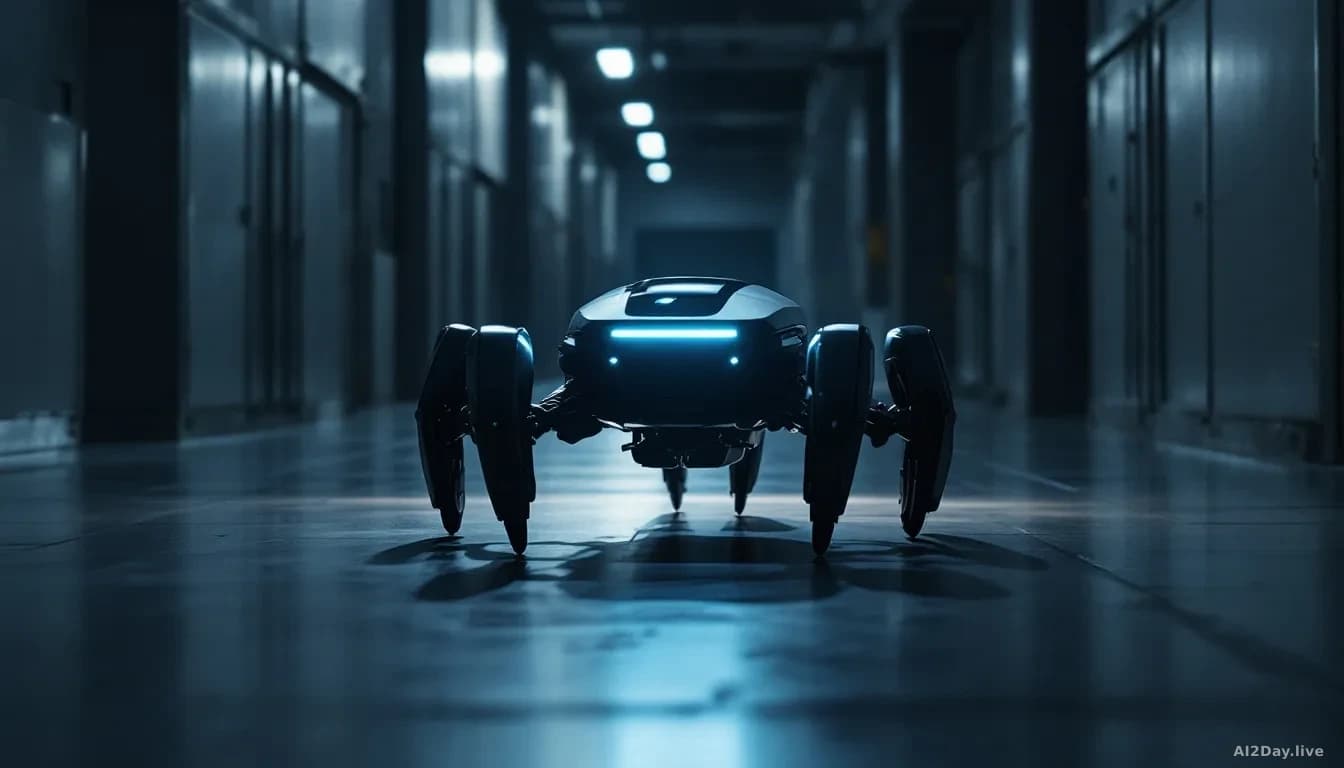
La empresa de South San Francisco desarrolla software que permite que máquinas reales actúen y tomen decisiones en el mundo físico, lo que la industria llama IA física. Su nuevo giro autónomo completamente funcional en múltiples puntos permite que los tractores ejecuten maniobras en retroceso en espacios reducidos de cabecera sin entrada del operador. La mala calidad de datos es el enemigo silencioso de exactamente este tipo de capacidad, como encontró nuestra historia del 12 de agosto sobre fallos de robots de IA, lo que hace que el pipeline de datos pasivos de Agtonomy sea la parte más digna de vigilar aquí.
¿Qué cambia realmente esto para un agricultor?
Abre tierras a las que la automatización no podía llegar antes. Si una fila era demasiado estrecha para que una máquina sin conductor girara de forma segura, un humano tenía que intervenir, lo que anulaba el propósito.
Un solo trabajador ahora puede supervisar más máquinas a la vez. Los vehículos no necesitan vigilancia al final de cada fila. Para operaciones pequeñas, donde cada hora de labor cuenta, ese cambio es significativo.
Agtonomy vende la tecnología como un kit de retrofit instalado en vehículos existentes de los socios Kubota y Bobcat. Los agricultores mantienen sus máquinas; Agtonomy añade el cerebro autónomo.
¿Adónde van todos esos datos?
Cada vehículo genera más de 2 terabytes de datos anonimizados por hora, aproximadamente el almacenamiento de 500 DVDs, capturando terreno, filas de cosechas y desempeño de tareas en diferentes granjas. Ese flujo se retroalimenta en los modelos de Agtonomy, haciendo que las futuras actualizaciones de software sean más precisas.
Joel Carter, gerente de operaciones de huertos en Okanagan Specialty Fruits en Columbia Británica, le dijo a The Robot Report que su equipo ahora ejecuta máquinas equipadas con Agtonomy para cada trabajo de recopilación de datos de cosechas, día y noche, a un ritmo consistente en cada fila. "Esa consistencia y precisión nos han ayudado a mejorar la eficiencia del combustible, reducir la mano de obra y el costo requerido para la recopilación de datos, y recopilar datos más precisos y repetibles", dijo Carter.
Las empresas de agronomía y proveedores de análisis también pueden acceder al conjunto de datos anonimizados, con consentimiento del agricultor, para construir servicios sobre él.
¿Qué sigue?
La Biblioteca de Implementos de Agtonomy ahora cubre más de 500 herramientas, estandarizando cómo los nuevos accesorios se conectan a la plataforma.
Tim Bucher, director ejecutivo, en conversación con The Robot Report, dijo que la empresa pretende llevar la plataforma más allá de la agricultura hacia cualquier entorno exterior accidentado que requiera automatización. La lógica de giro que funciona en un viñedo, según el argumento, se transfiere a sitios de construcción e infraestructura energética.
¿Deberías confiar una cosecha costosa a una máquina?
El pipeline de datos es el producto real. Cada acre conducido hace que la autonomía de la próxima temporada sea un poco más precisa, y esa mejora compuesta es lo que diferencia un kit de retrofit de una apuesta a largo plazo en tu operación. La característica de giro en múltiples puntos es el titular, pero son las operaciones nocturnas de datos en Okanagan las que muestran en qué se está convirtiendo realmente esta plataforma.