AI's e-waste bill by 2050 is far bigger than anyone was counting
A nonprofit has calculated the full weight of hardware behind AI, and the e-waste total by 2050 is enough to fill 23 million shipping containers.
Key points
- The Basel Action Network projects AI-related e-waste could reach 395 to 617 million metric tons between 2025 and 2050.
- Previous studies missed roughly 87 percent of a data centre's physical infrastructure by focusing only on servers and GPU chips.
- Global e-waste already totals 68.3 million tons a year, and less than a quarter of that gets formally recycled.
- BAN estimates AI will account for 15 to 20 percent of all e-waste generated worldwide by 2050.
- The United States has not ratified the Basel Convention, the international agreement designed to stop rich countries from shipping toxic waste to poorer ones.
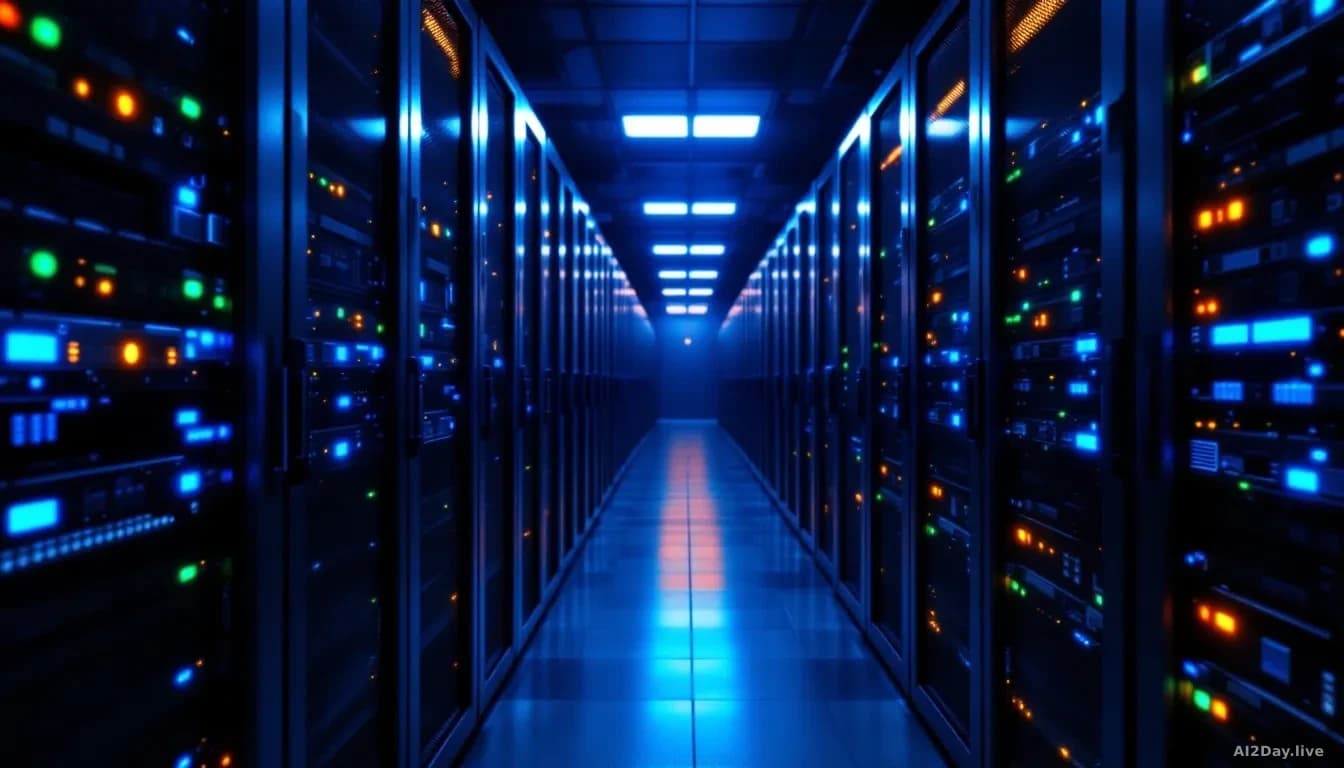
Every chatbot query, every AI image generated, every recommendation served up runs on specialised hardware somewhere. That hardware ages, becomes obsolete, gets discarded. A report published this week by the Basel Action Network, a nonprofit focused on toxic waste trade, argues that the industry and its regulators are badly underestimating how much electronic rubbish, or e-waste, the AI boom will leave behind.
The headline figure is striking. Counting AI-related equipment retired between 2025 and 2050, BAN puts the total somewhere between 395 and 617 million metric tons. The group says that is enough to fill 23 million standard 40-foot shipping containers, a line that would circle the Earth six times.
Why is this estimate so much higher than earlier ones?
Past studies looked mainly at servers and GPUs, the specialised chips that do the heavy computation AI requires. BAN says that approach misses about 87 percent of what actually sits inside a data centre. Its report adds power supply and distribution equipment, cooling systems, backup power, and networking hardware to the count. It also includes a category it calls "AI Waste Contagion": phones, laptops, and telecoms infrastructure that will be replaced earlier than usual because AI advances keep pushing manufacturers to release new, faster devices. Our 15 September report found that US data centres could consume more natural gas than Germany and Japan combined by 2035, a reminder that e-waste is only one part of what this infrastructure leaves behind.
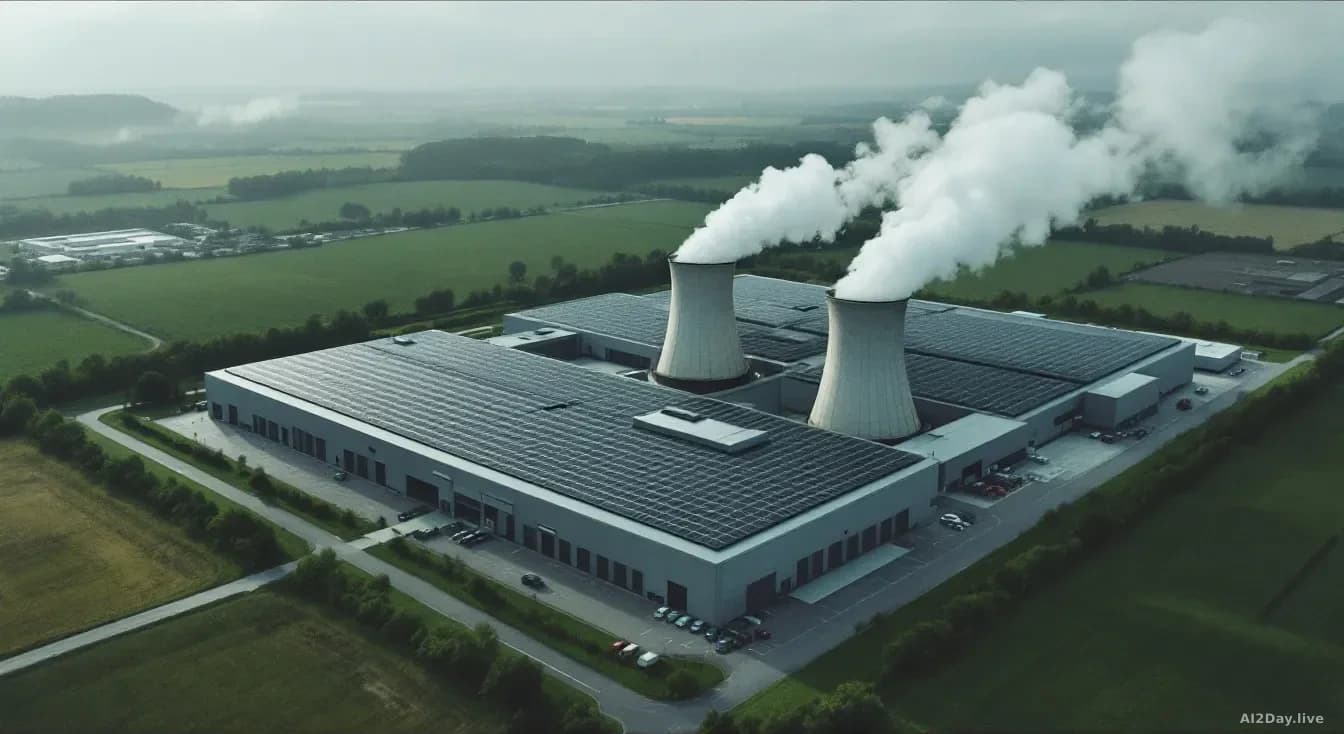
By BAN's method, one gigawatt of data centre capacity produces around 70,000 metric tons of e-waste over its lifetime. A McKinsey projection cited in the report puts total data centre capacity at up to 219 gigawatts by 2030.
For comparison, a 2024 study predicted AI e-waste of 1.2 to 5 million tons by 2030. A separate paper published in February estimated AI servers alone would generate 131,000 to 225,000 tons a year by the decade's end, roughly matching all e-waste produced by Denmark. BAN's broader scope puts its figures in a different league.
What does this mean for ordinary people?
Most e-waste doesn't end up in a proper recycling facility. Less than a quarter of the 68.3 million tons produced globally each year gets formally collected and processed. The rest flows into informal networks where burning or burying equipment releases toxic materials like lead and chromium into soil and air. The World Health Organization links that informal recycling to serious health risks, particularly for children living or working near disposal sites.
Among wealthy nations, the US is the most exposed to scrutiny here. It operates more data centres than any other country, yet it hasn't ratified the Basel Convention, the 1989 international treaty restricting cross-border shipment of hazardous waste. Investigations have found that American recyclers still send e-waste overseas, where oversight is thin.
Jim Puckett, founder of BAN, said in a press release: "If companies and governments do not begin planning for this new waste tsunami, today's AI buildout could become an even more cataclysmic toxic waste crisis than we are already experiencing."
The report first got wider attention through The Verge. BAN's core ask is binding recycling targets for AI hardware before the volumes become unmanageable. That conversation hasn't seriously started.
Common questions
Does this affect me if I don't work in tech?
Yes, indirectly. Toxic materials from improperly scrapped hardware enter food and water supplies in the countries where it ends up. If your phone or laptop gets replaced sooner because of AI-driven product cycles, your old device is part of this waste stream.
What can consumers actually do right now?
Return old devices to manufacturer take-back schemes or certified e-waste recyclers rather than binning them. Check whether your local authority has an approved drop-off point; many do, and the equipment gets processed under tighter controls than informal collection.
What to watch: BAN's numbers will be contested, and the "AI Waste Contagion" category is the part that deserves the closest scrutiny: attributing all accelerated device replacement to AI is a bold claim, and how researchers respond to that methodology will shape whether policymakers treat this report as a starting point or an outlier.