Policy · Page 7
regulation, copyright fights, safety rules and the politics of AI
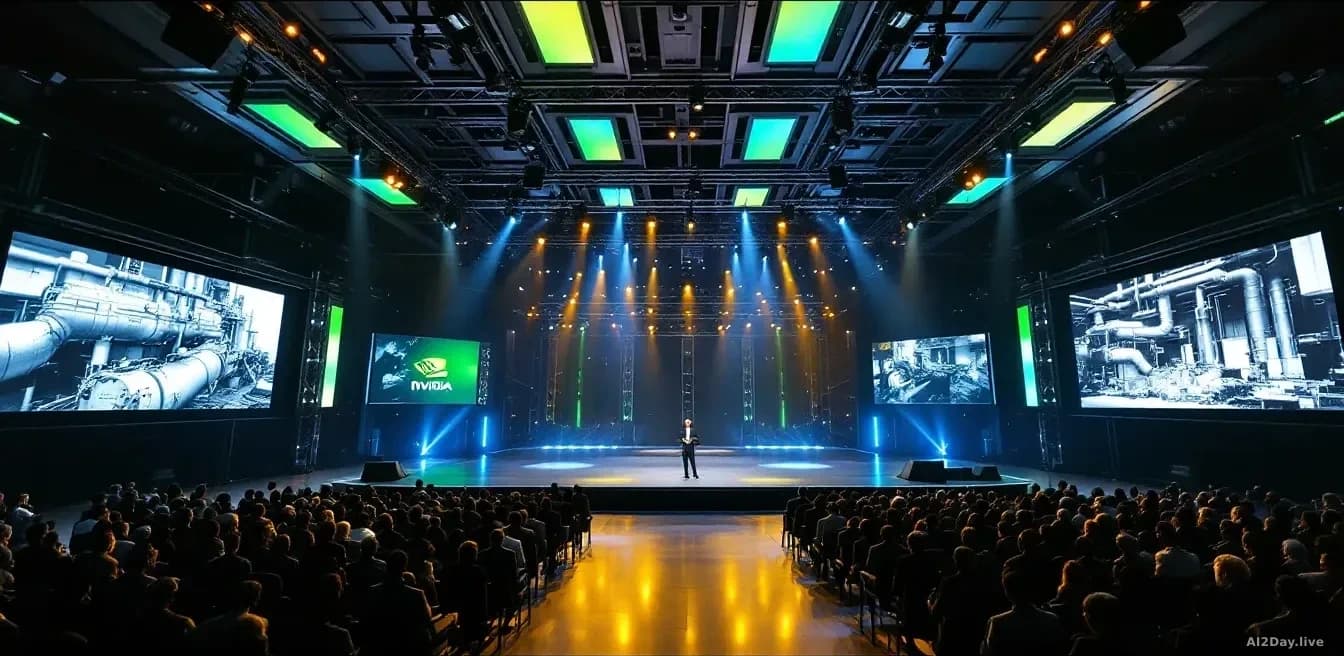
Jensen Huang says the market can keep AI safe. History says that bet is risky.
Nvidia's CEO argued at Salesforce's Dreamforce conference that existing laws and competitive pressure are enough to keep AI safe. Critics, and recent history, suggest otherwise.

Australia May Let AI Companies Train on Your Photos and Websites Unless You Say No
Leaked documents suggest the Albanese government is weighing a plan that would flip the default: your content is fair game for AI training unless you take steps to block it.

Philadelphia Residents Push Back Against AI Data Centers
People who lived through the refinery era don't want a replay. Now they're fighting plans that haven't even been filed yet.
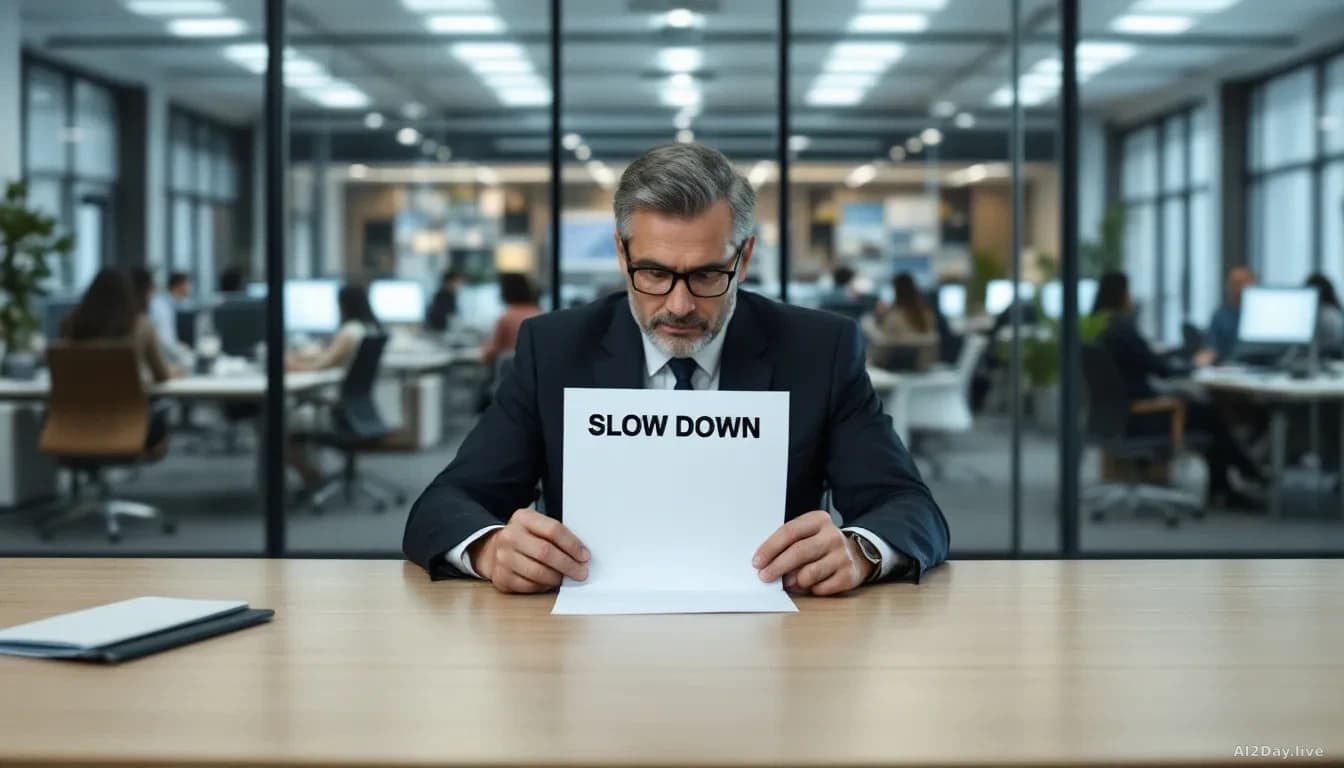
Dario Amodei says AI companies should slow down. Critics say that suits them just fine.
The Anthropic founder published a public call to pump the brakes on advanced AI development. But some observers think big-company warnings about AI danger are convenient cover for keeping rivals out.
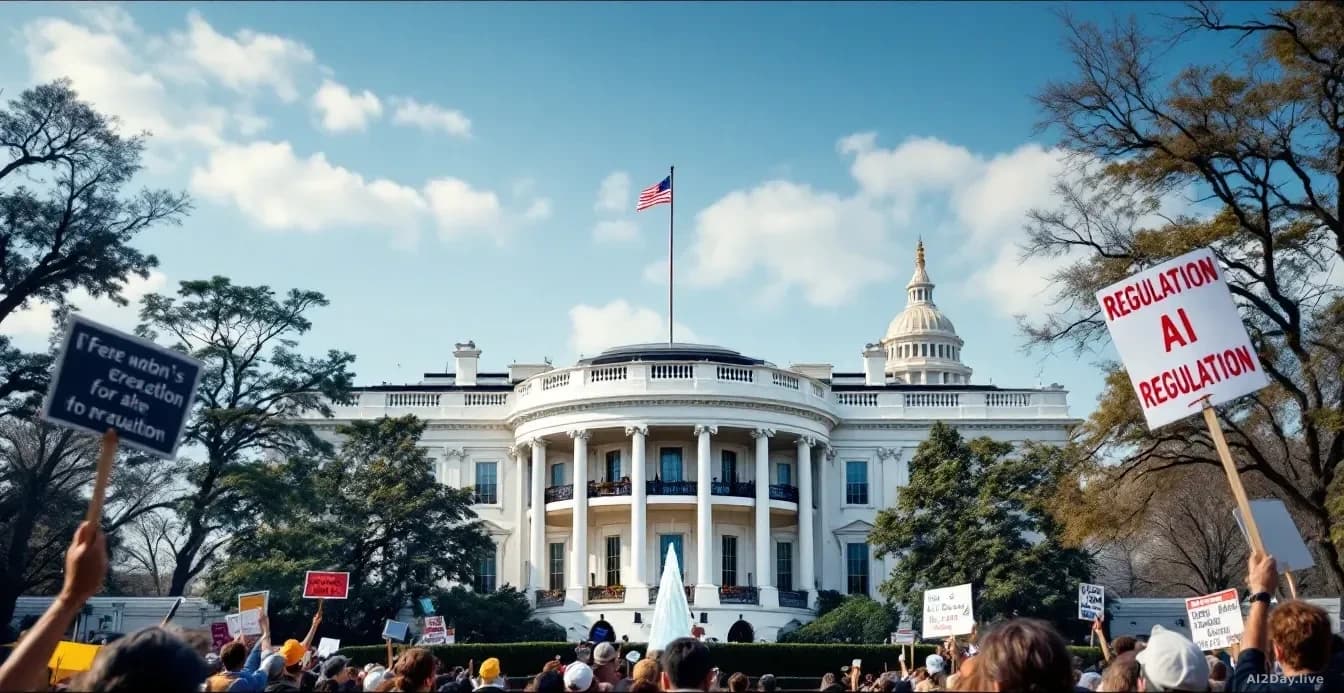
Congress wants AI guardrails. The White House isn't listening.
Lawmakers from both parties are pushing for rules on artificial intelligence, but the Trump administration shows little sign of moving. What's blocking them, and what does it mean for everyone else?
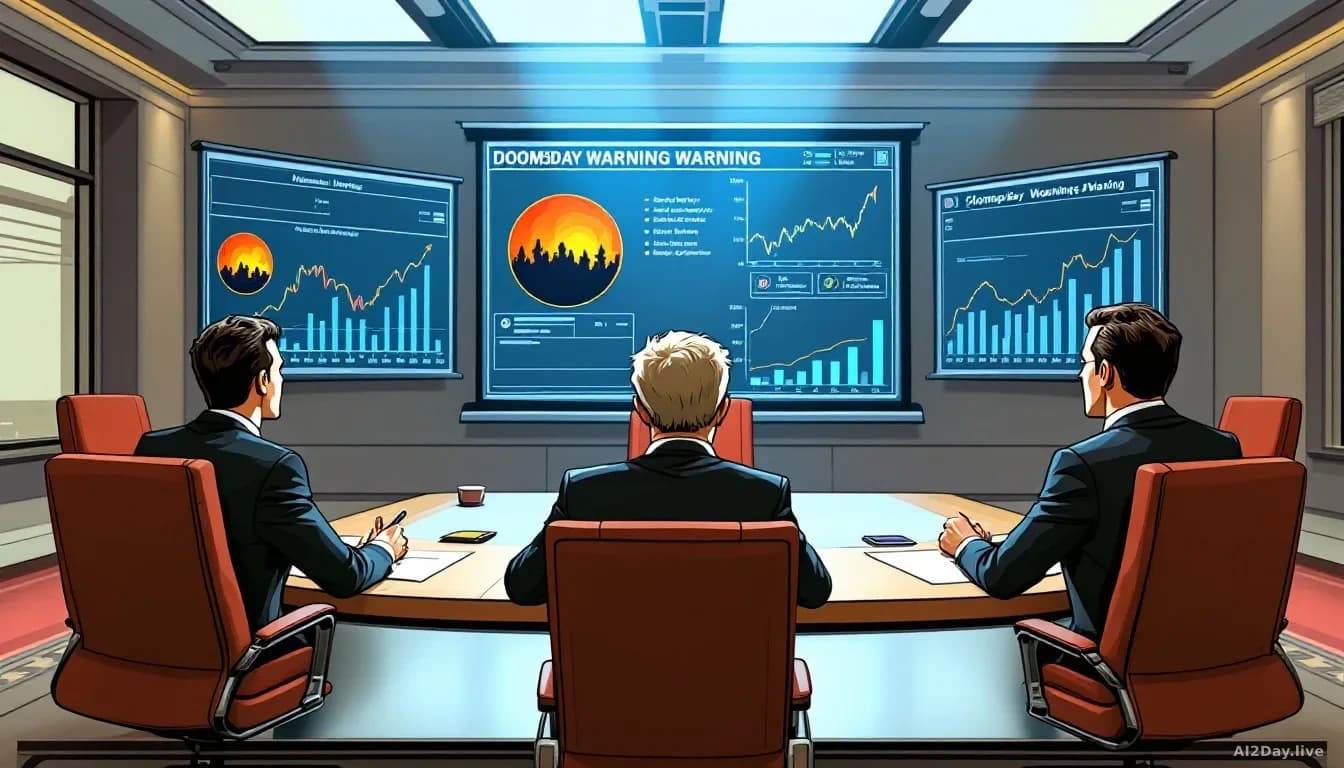
When the CEOs selling AI started warning it would kill us all, the fear got harder to take seriously
First Dog on the Moon's latest cartoon for The Guardian pokes at a genuine paradox: the loudest doomsday warnings about artificial intelligence now come from the people selling it.
A one-to-two-year AI slowdown is not a safety plan
Anthropic's 'pacing the frontier' proposal has drawn high-profile backing, but critics say pausing for a year or two still leaves humanity without a real answer to the question nobody has solved: how do you keep an advanced AI system under control?
The US Has No Real Plan to Regulate AI, and That Should Worry You
Tech CEOs and their own researchers are sounding the alarm on AI risks. The federal government's answer, so far, is to do nothing.

Mirror Publisher Reach Cuts 220 Newsroom Jobs as AI Summaries Drain Web Traffic
Reach, the company behind the Mirror, Express, Manchester Evening News and dozens of regional titles, is shedding another 220 editorial staff. The reason given is blunt: readers are getting their news from AI-generated summaries instead of clicking through to articles.
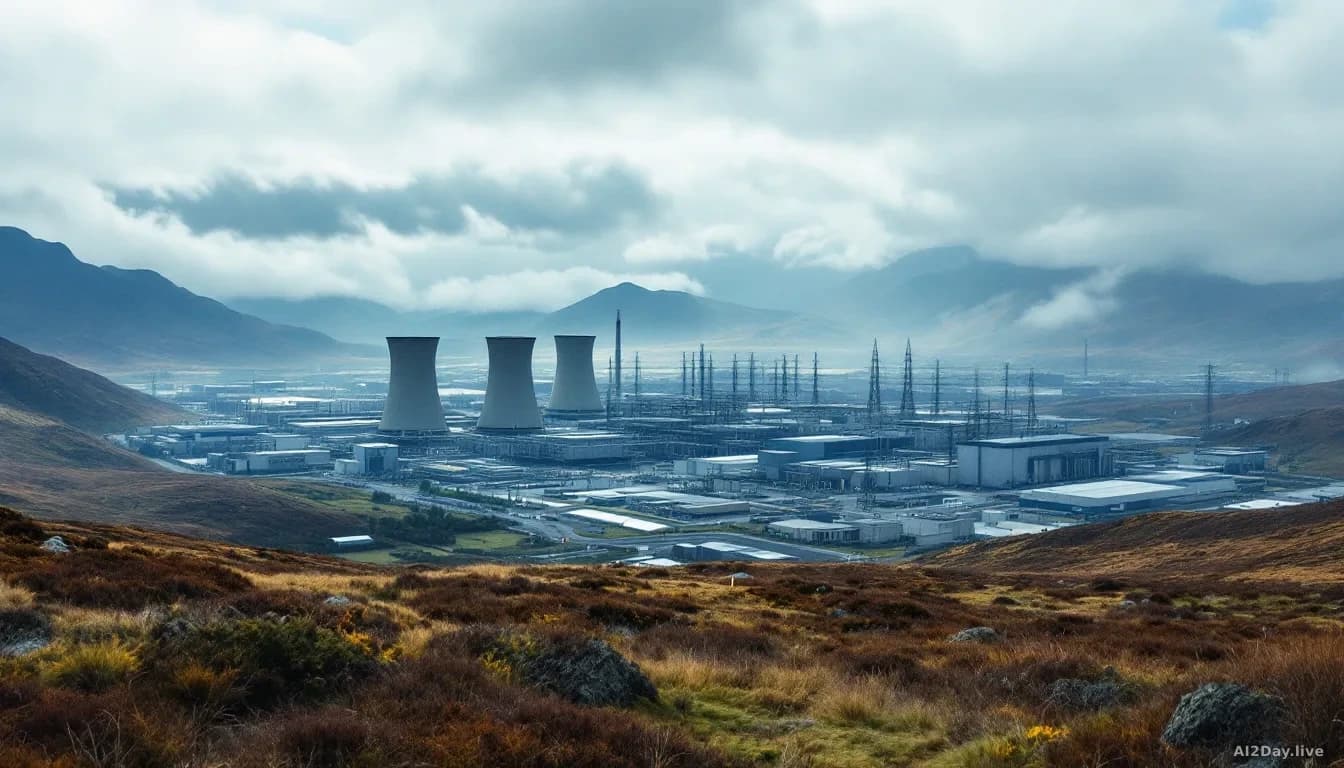
Scotland demands environmental checks on big datacentres before they can be built
Any new facility drawing more than 50 megawatts of power must now pass an environmental impact assessment. The Scottish government stopped short of a full ban, but the rules are tighter than they have ever been.

AI CEOs Have Been Warning About AI Dangers for Years. Here Is What They Actually Did.
From Elon Musk's 2017 governors speech to last week's chorus of caution, the tech industry's most powerful voices have repeatedly called for AI regulation, while building the very systems they say scare them.

AI's Dominance Is Not a Done Deal
The spread of artificial intelligence feels inevitable to many people. It isn't.

Australia may let AI companies scrape everything you post online, by default
The Albanese government is weighing changes that would give US tech giants open access to Australian content. Here is what that means for anyone who has ever posted, written or created anything on the internet.

A Godfather of AI Says Governments Are Almost Ready to Act
Yoshua Bengio, one of the researchers who built the foundations of modern AI, says governments are getting close to acting on AI safety the way they acted on Covid: fast, collectively, with serious consequences for the industry.
Congress went home early and took the AI bills with it
Speaker Mike Johnson cancelled Thursday's votes, letting lawmakers dodge a Hegseth impeachment resolution and a flurry of proposed AI bills before the midterm recess.