Trump warns datacenter opponents they will end up 'backwards and poor'
Three in four Americans say they do not want a datacenter near their home. The president says communities that block them will have only themselves to blame.

Key points
- Three-quarters of Americans, in a recent poll, said they oppose datacenters being built next to their homes.
- President Trump publicly criticized local opposition to datacenter projects across the United States.
- The backlash is playing into election campaigns ahead of November's midterm elections.
- Trump warned communities that reject datacenter proposals risk becoming "backwards and poor."
President Donald Trump has a message for any town or city thinking about blocking a new datacenter: back off, or pay the price.
Speaking publicly about the growing resistance to datacenter construction across the United States, Trump said Americans "will only have yourselves to blame" if projects are canceled. He accused opponents of wanting to "end up being backwards and poor."
What exactly is a datacenter, and why does anyone want to build one near you?
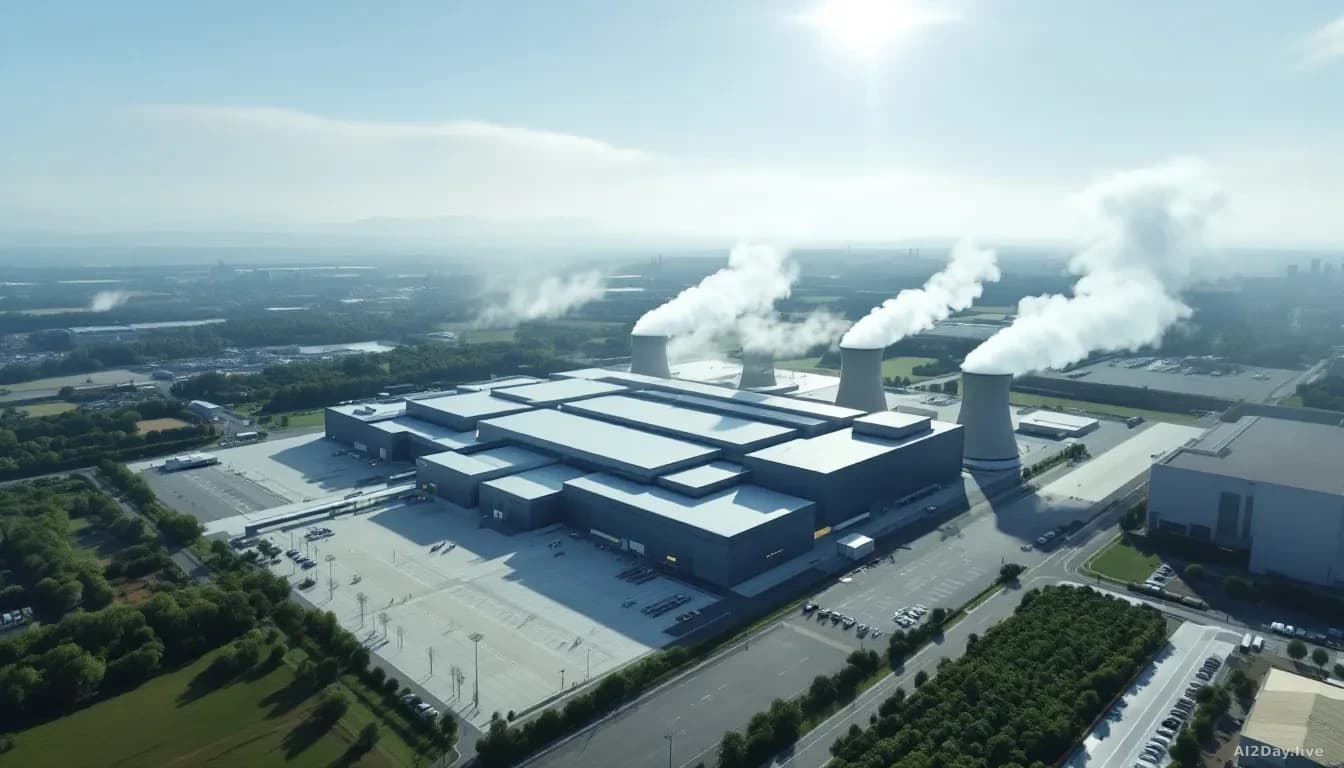
A datacenter is a large building packed with thousands of powerful computers that store data and run software, including the AI tools millions of people use every day. They are the physical backbone of the internet. AI companies and cloud providers are racing to build them, because demand for computing power has surged.
The problem is that datacenters are enormous, loud, and thirsty. A single large facility can consume as much water and electricity as a small city. That is why residents near proposed sites often push back hard.
A recent poll found that three in four Americans oppose having a datacenter built next to their homes. That number is striking because it cuts across political lines, and it helps explain why the controversy has spilled into local election campaigns ahead of November's midterms.
Why is Trump weighing in?
He has made AI infrastructure a signature economic argument. The White House has framed datacenters as job creators and as essential to keeping the United States ahead of rivals like China in the global AI competition.
By warning communities that resistance leads to economic decline, Trump is trying to reframe local environmental and quality-of-life concerns as short-sighted. Critics, as first reported by The Guardian AI, note that opposition is not about rejecting technology but about who bears the costs.
What does this mean for people living near a proposed site?
Your local objections now carry national political weight, in both directions. Supporters of AI expansion will use Trump's framing to paint opposition as anti-growth. Opponents will point to the poll numbers to argue the backlash is broad and legitimate.
If you live near a proposed facility, the most practical step is to engage with your local planning process early. Zoning decisions, noise limits, and water-use agreements are all made at the local level, and public comment periods matter.
The tension here is real and unresolved. Communities want economic growth. They also want to sleep at night and keep their water bills manageable. No presidential statement settles that trade-off.
Common questions
Do datacenters actually create many local jobs?
Do datacenters actually create many local jobs?
Construction phases employ significant numbers of workers, but once a facility is operational, permanent on-site staffing is typically small, often in the dozens rather than hundreds, because the buildings run largely on automated systems.
Can a community legally stop a datacenter from being built?
Yes. Land use, zoning, and environmental permits are decided at the local and state level. Communities have successfully delayed or blocked projects through planning boards, environmental reviews, and elected officials, though large companies often have legal and financial resources to challenge those decisions.