Nobody Wanted That Datacenter: How AI's Hunger for Land Is Uniting Unlikely Neighbours
A Google project planned for a small Indiana town drew something rarely seen in American politics right now: unanimous local opposition, from Trump voters and climate activists alike.
Key points
- A proposed 550-acre Google datacenter in Monrovia, Indiana (population 1,600) has drawn opposition from every resident canvasser Bryce Gustafson spoke to at a recent town festival.
- Gustafson, lead organiser for Citizens Action Coalition, spoke to roughly 50 residents at the event and found zero supporters of the project.
- At least six self-identified Trump voters approached him to express frustration that the president appeared to be backing large datacenter developments.
- The backlash suggests that AI infrastructure, the physical buildings full of computers that power tools like ChatGPT, is becoming a rare cross-partisan flashpoint in US politics.
Bryce Gustafson has spent more than a decade knocking on doors in Indiana. He leads Citizens Action Coalition, a consumer and environmental group, and he is used to a split room. Whatever the issue, someone always pushes back.
Not this time.
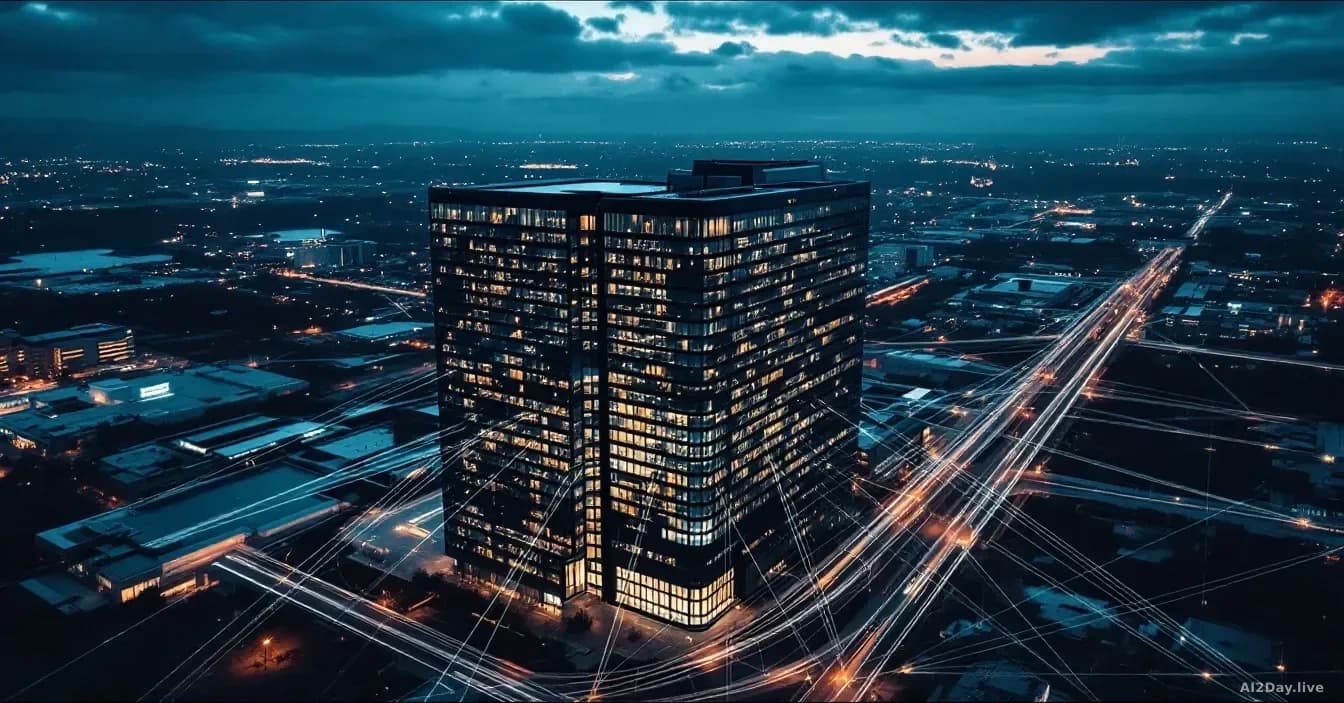
At a recent festival in Monrovia, a rural town of about 1,600 people, Gustafson was talking to residents about a planned datacenter, a vast facility full of computer servers that companies like Google build to run their AI systems. The proposed site covers 550 acres, roughly 400 American football fields of land, right on the edge of this small community.
"I had 50 people I talked to," Gustafson told The Guardian, which first reported the broader story. "Nobody wanted that datacenter in their community. And at least a half a dozen people came up to me to say, 'Hey, I voted for Trump. What the heck's he doing, supporting these things?'"
Why do datacenters cause so much local anger?
For residents, the objections are immediate and physical. Datacenters are large, loud, and thirsty. They consume enormous amounts of water for cooling and draw heavily on the local electricity grid, which can push up power bills for everyone nearby. A facility designed to serve global AI demand lands in a specific place: someone's backyard, someone's water supply, someone's road.
For a town of 1,600, a 550-acre industrial site is not background noise. It is a transformation.
What does this mean for ordinary people?
The Monrovia story is one data point, but it points at something bigger. AI companies are racing to build more datacenters across the United States, pressured by surging demand for the computing power needed to train and run AI models. That means more towns, not fewer, will face this choice in the coming years.
Local residents rarely get a formal vote on whether a facility gets built. Planning decisions often rest with a small number of officials or regulators, and companies arrive with significant legal and financial resources. That imbalance is part of what is driving the anger Gustafson describes.
The political wrinkle is striking. Opposition to large tech infrastructure has traditionally been stronger on the environmental left. Seeing Trump-aligned voters join that opposition, citing frustration with a president they supported, suggests the issue does not sort neatly along party lines.
What should residents watch for?
If a large datacenter is proposed near you, the decisions that matter most often happen early and quietly, at zoning board meetings or in planning applications most people never see. Local environmental groups like CAC are often the first to track these proposals.
Watch your electricity provider's announcements. Watch local planning agendas. And if you want to weigh in, the window is usually narrower than residents expect.