A Chinese Robot Maker Just Had One of the Biggest Tech IPOs of the Year. Here's What It Means for You.
Unitree Robotics listed on a Shanghai stock exchange and its shares jumped 460% on day one. The company sells humanoid robots for as little as $13,500. But serious questions remain about whether these machines can do real work.
Key points
- Unitree Robotics raised 6.1 billion yuan (roughly $905 million) in its initial public offering on Shanghai's STAR Market, with shares closing 460% higher on the first day of trading.
- The Hangzhou, China-based company sold 5,215 humanoid robots in 2025, up from just five units in 2023, but around 70% went to universities and research labs rather than workplaces.
- Unitree posted a profit of approximately $41 million in 2025, while its closest public rival, UBTech, lost around $104 million over the same period.
- The US Federal Communications Commission restricted imports of certain foreign-made mobile robots in July, which could block Unitree from selling future models in America.
- Agility Robotics, a US-based humanoid maker, is reportedly planning a public listing that would value it at $2.5 billion.
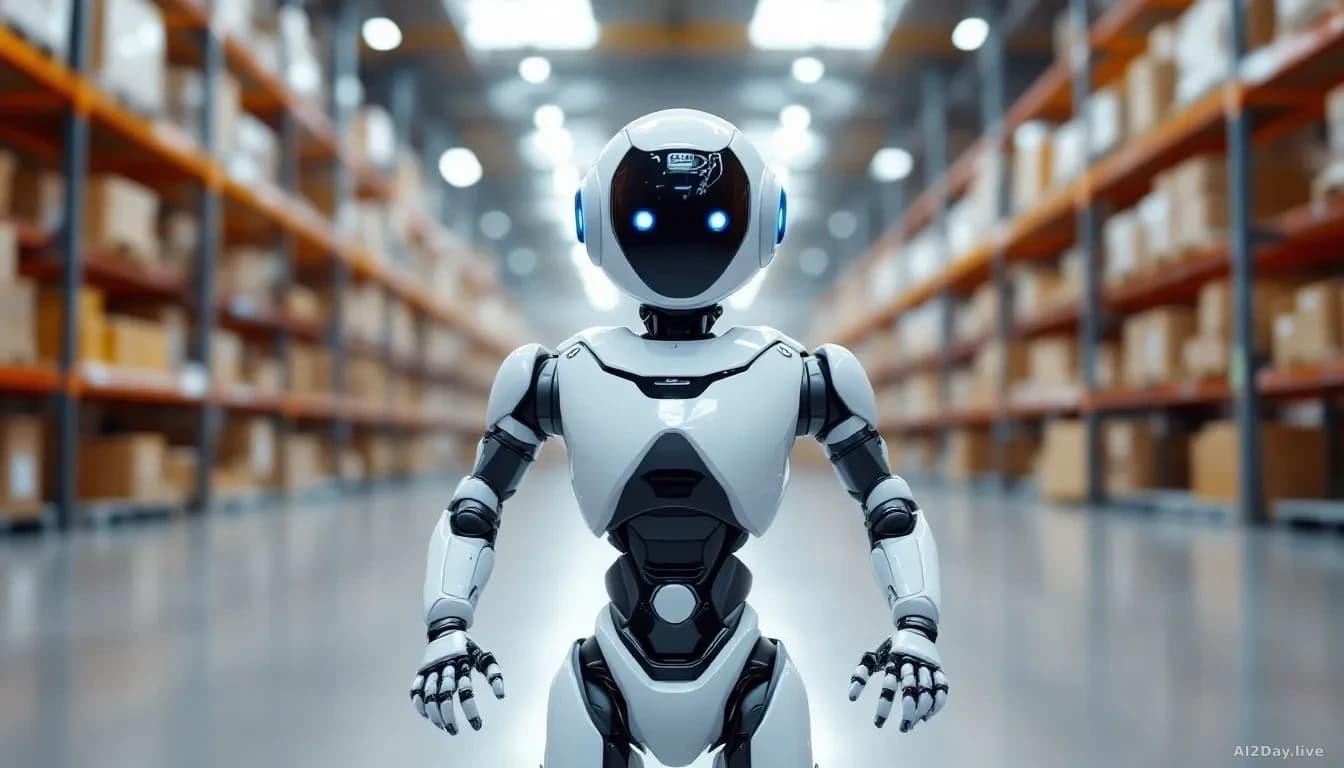
A Chinese company that builds humanoid robots, machines shaped like people that can walk, jump and carry things, just had one of the splashiest stock market debuts of the year.
Unitree Robotics listed on Shanghai's STAR Market this week. Its shares closed 460% above the offer price on day one. The company, formally registered as Yushu Technology Co., raised the equivalent of about $905 million.
You may have already seen its work. Videos of the G1 humanoid robot doing backflips and kung fu have circulated widely online. The company also just unveiled a new robot it is calling "Superman": built in three months, it can jump over six feet from a standing position and sprint at nearly 28 miles per hour.
So is Unitree actually making money?
Yes, and that sets it apart from most robotics companies right now. Unitree turned a profit of roughly $41 million in 2025, compared with a $1.6 million loss in 2023. Its nearest public competitor, UBTech, lost around $104 million last year.
Here is a quick look at how the two compare:
| Unitree | UBTech | |
|---|---|---|
| 2025 humanoid sales (units) | 5,215 | 1,079 |
| 2025 profit/loss | +$41 million | -$104 million |
| Revenue source | Robots only | Robots plus home appliances |
| Cheapest humanoid price | $13,500 (G1) | Not disclosed |
| Stock exchange | Shanghai STAR Market | Hong Kong |
Unitree's G1 humanoid starts at $13,500, a low price by industry standards. That has helped it rack up sales fast.
Should investors and workers be cautious?
Yes. The growth numbers are real, but the details matter. About 70% of Unitree's robots went to universities and research labs, not factories or warehouses. Fewer than 10% landed in genuine commercial work settings.
Gavin Kenneally, CEO of Ghost Robotics, told The Robot Report directly: "Volume makes a good IPO story. But fewer than 10% of Unitree's sales are for commercial deployments."
Nicolaus Radford, CEO of Persona AI, put it plainly: the company has not yet shown repeat business or a use case that works at real industrial scale.
On top of that, the FCC, the US agency that controls what electronic devices can enter the country, restricted imports of certain foreign-made mobile robots in July. Because the ban covers new devices, Unitree's future models could be locked out of the American market entirely.
What happens next for humanoid IPOs?
Unitree's debut will put pressure on other humanoid makers to go public. Agility Robotics, which makes a humanoid called Digit, is reportedly eyeing a listing through a special purpose acquisition company (a SPAC, which is an alternative route to a stock exchange where a shell company merges with the one going public). That deal would value Agility at $2.5 billion.
SPACs carry their own risks. Several robotics companies used the same route in 2021 and have struggled financially since.
Major players like Boston Dynamics (owned by Hyundai) and Figure AI have not announced any listing plans.
The honest takeaway: humanoid robots are real, they are selling, and real money is behind them. But most of these machines still live in labs, not on factory floors. Watch for commercial deployment numbers, not just sales totals, before deciding this industry has crossed into mainstream.