The hardware bottleneck that AI cannot fix in humanoid robots
Smarter software is only half the problem. The real challenge is squeezing motors, sensors and safety systems into a robot's wrist.
Key points
- Humanoid robots can have 30 or more joints, each requiring its own motors, sensors and control electronics that all travel with the robot.
- Moving from 12-volt to 48-volt power reduces wiring losses by a factor of 16, cutting weight and heat inside each limb.
- Higher voltage creates new risks: a braking motor can briefly spike far above its normal voltage, and the electronics must survive that without losing control.
- Functional safety, the ability to detect a fault and stop safely, must be built into each joint from the start, not bolted on later.
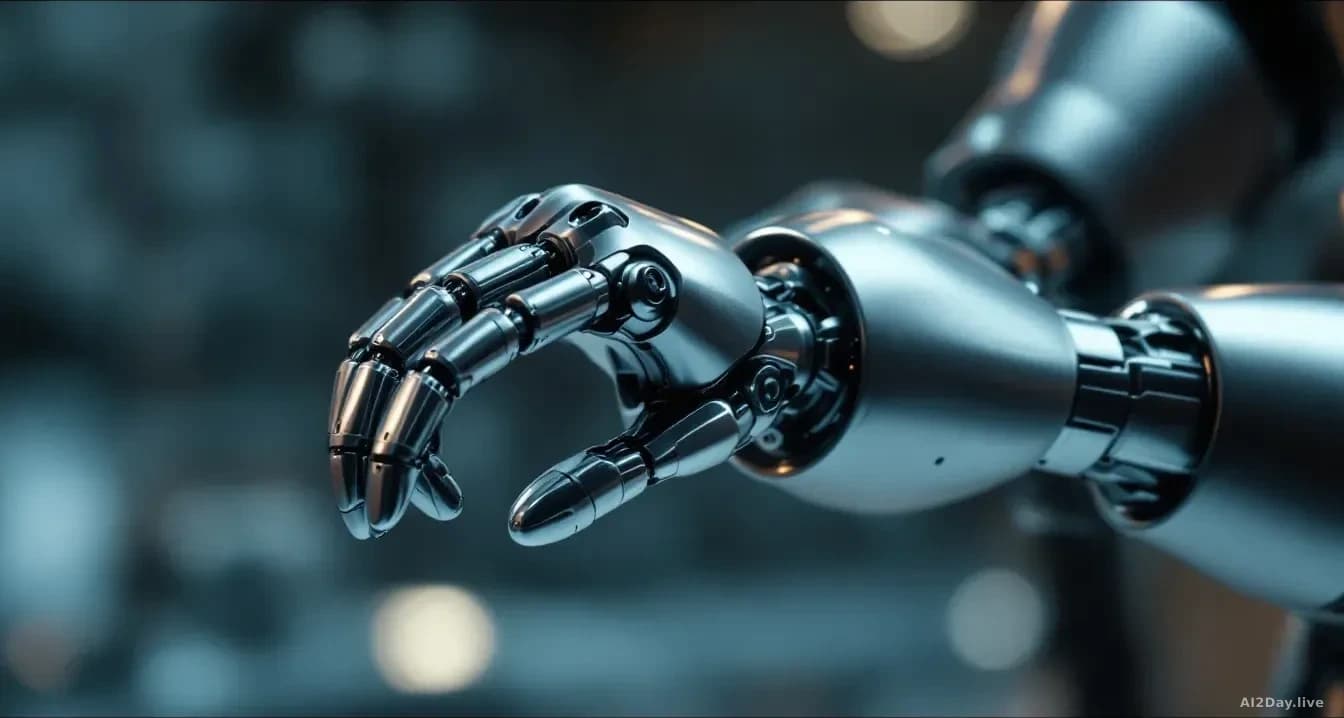
- Touch and force feedback, feeling the resistance of an object as a hand grips it, remain an unsolved frontier for humanoid design.
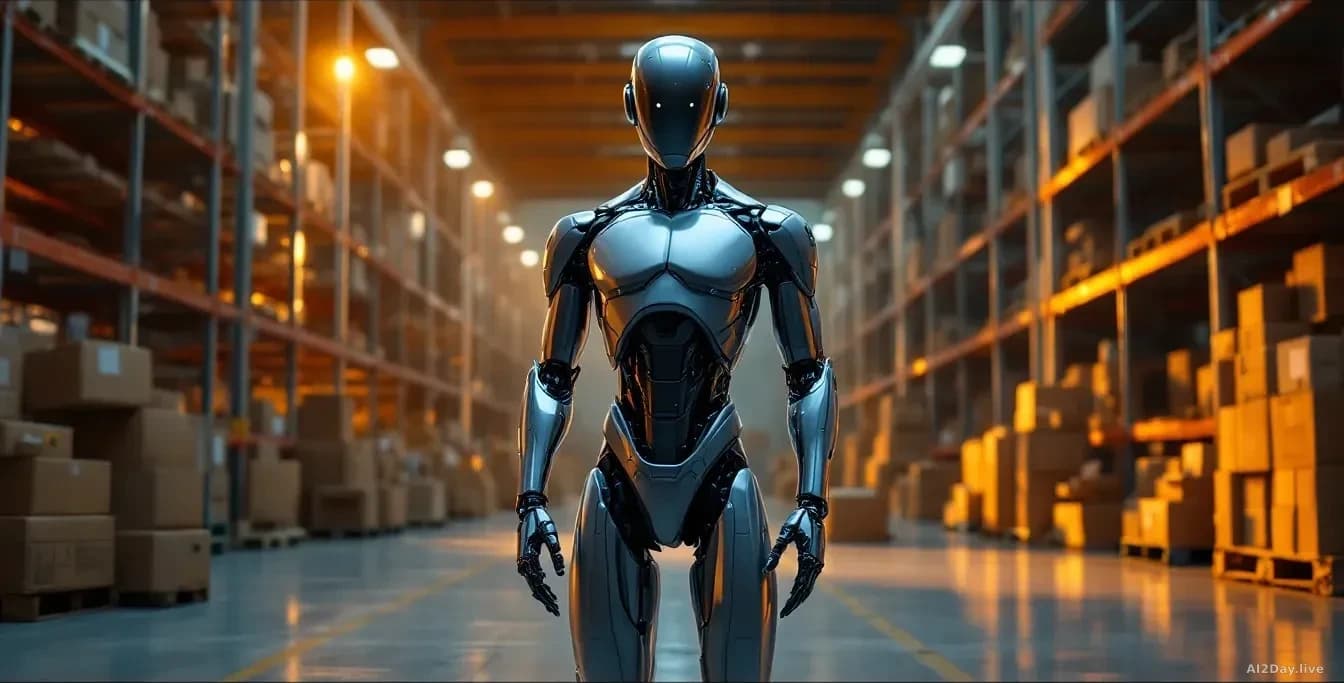
A humanoid robot that can recognise your face, understand a spoken request and decide to pour you a cup of tea still has to actually pour the tea. That last part is harder than it sounds, and no amount of smarter software makes it easier.
The Robot Report put this tension plainly in an analysis from Allegro MicroSystems managing director Andreas Friedrich: artificial intelligence handles perception and decision-making well, but the physical limits of the robot determine whether those decisions ever become real movement.
Why is the hardware problem so hard?
A factory robot arm bolted to a floor can store its power electronics in a separate cabinet nearby and run thick cables wherever needed. A humanoid has no such luxury. Every gram of electronics adds to the energy needed to move the limb carrying it. Every cubic millimetre of circuit board competes for space inside a hand or finger.
A humanoid with 30-plus joints needs each one to know its own position, measure the force it is applying, and adjust dozens of times per second. That continuous feedback loop, called closed-loop control, is what turns a general instruction like "hand over the glass" into precise, smooth movement that does not crush the glass or drop it.
Friedrich uses the cup-of-tea example deliberately. The arm cannot simply move to a fixed coordinate. It must sense joint position, monitor torque (the rotational force each motor applies), and respond to changing conditions mid-motion.
What difference does voltage make?
Higher voltage is one of the clearest wins available. Moving from 12 volts to 48 volts, for the same amount of delivered power, cuts the required electrical current to one quarter of its previous level. Thinner wires become possible, saving weight. Heat losses drop by a factor of 16, which matters enormously in a joint too small to fit a cooling fan.
| Voltage | Relative current | Wiring heat loss | Cable weight |
|---|---|---|---|
| 12 V | 4x | 16x | Heaviest |
| 24 V | 2x | 4x | Medium |
| 48 V | 1x (baseline) | 1x (baseline) | Lightest |
The catch: a motor slowing down quickly acts like a generator and produces voltage spikes well above the normal supply level. Electronics in every joint must absorb those spikes without failing or losing control of the limb.
What happens when the robot works near people?
Industrial robots manage safety by keeping humans out of their reach. A humanoid working in a home or a hospital cannot do that. Safety must live inside the control system itself, monitoring for faults and moving the limb to a safe position automatically if something goes wrong.
Friedrich draws on the automotive world as a model. Electronic steering and braking systems have solved similar problems: high power, precise control, and the requirement to fail safely. Humanoid joints need the same thinking applied from the first design sketch, not as an afterthought.
The frontier beyond all of this is touch. Humans grip a fragile object by feeling the resistance and adjusting continuously. Current humanoids mostly calculate positions and execute them. Building real tactile feedback, the sense of feel, into tight finger joints is the problem the field has not yet cracked.