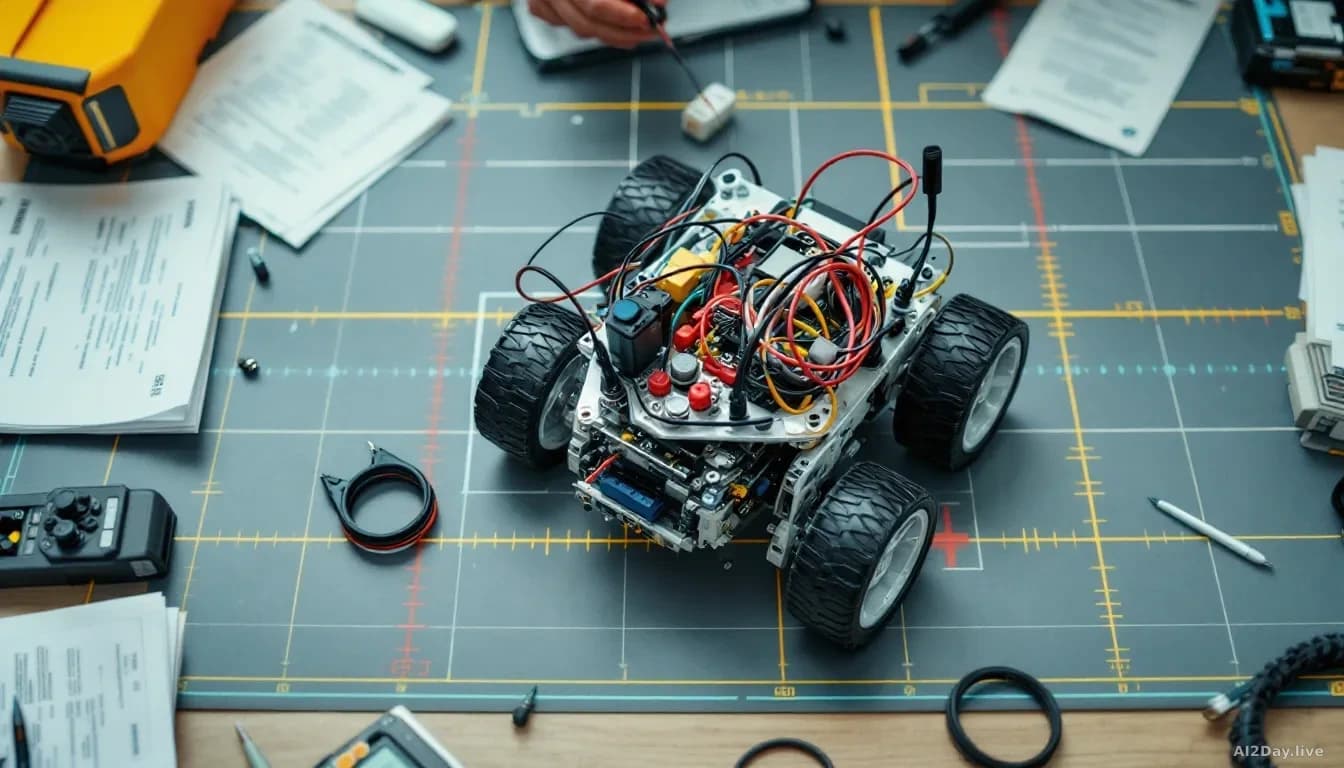
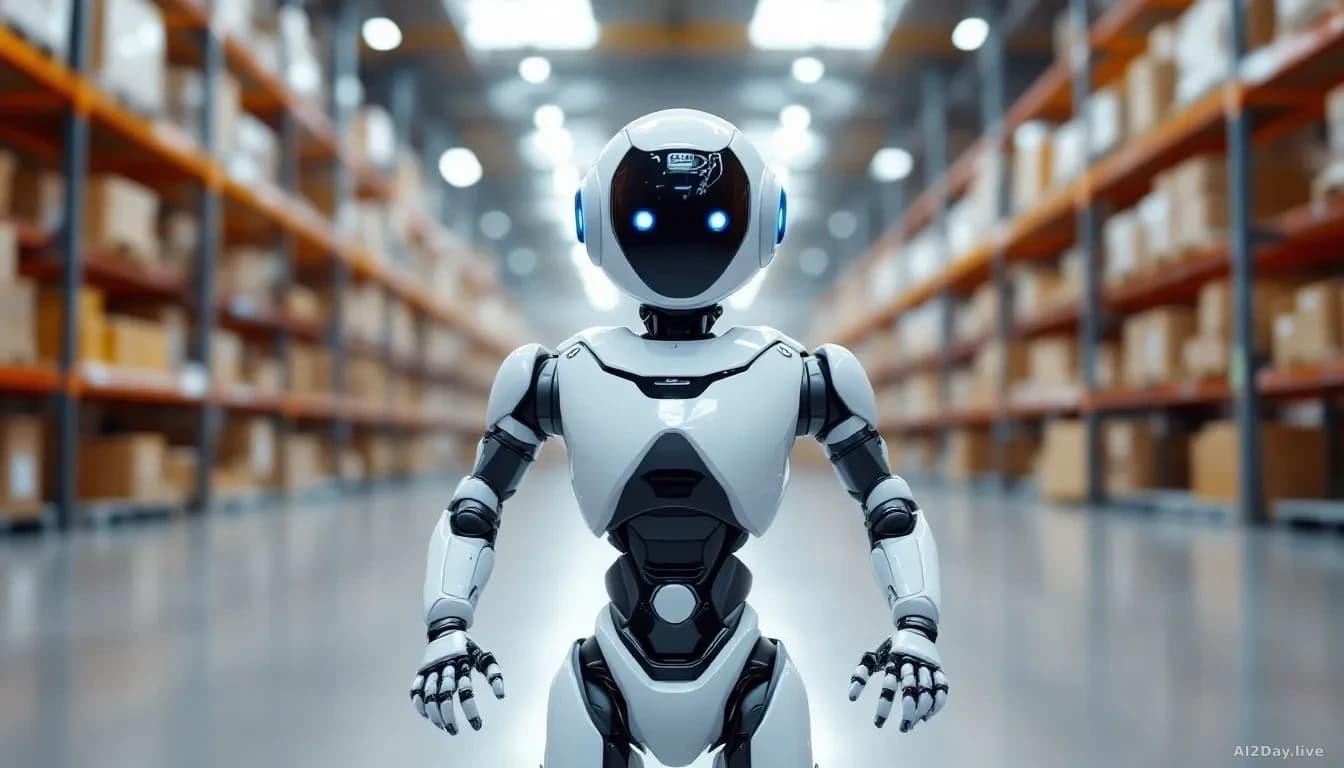
Robots are still waiting for their ChatGPT moment. Here is why.
Nvidia's Les Karpas says the biggest thing holding back general-purpose robots is not the hardware. It is data. And solving that problem is far harder than it sounds.
Key points
- Les Karpas, Nvidia Inception's Global Head of Physical AI, will speak at TechCrunch Disrupt 2026 in San Francisco from October 13 to 15, 2026.
- Karpas argues that general-purpose robots lack the internet-scale training data that made large language models, the AI behind tools like ChatGPT, so capable.
- Startups are trying to close that gap using simulated environments and synthetic data, but bridging digital training to real-world movement remains unsolved.
- Nvidia's Inception programme connects the company to startups across robotics, automotive and smart cities, giving Karpas an unusually broad view of where the field is stuck.
ChatGPT arrived in November 2022, and within weeks millions of people understood, by using it, what AI could actually do. Robotics hasn't had that moment. The machines exist, the hype exists, but the breakthrough that makes it feel real to ordinary people has not arrived.
Nvidia's Les Karpas has a specific explanation for why.
What is the actual problem?
Robots don't have enough real-world training data, and there's no shortcut that fully replaces it. Language models learned from essentially the entire written internet: books, articles, conversations, code. Robots have no equivalent. A factory arm knows its one task. A humanoid robot stumbling through a new kitchen is starting almost from scratch.
Self-driving companies like Waymo did manage to build large datasets, but only by putting fleets of vehicles on real roads for years, city by city. That approach is expensive and specific to driving. It doesn't transfer to a robot that needs to fold laundry or stock shelves.
A growing number of startups are now trying to manufacture training data artificially, running robots through simulated worlds millions of times over, or combining data from many different robot designs into a single shared model, a so-called foundation model for physical movement. Whether simulation can truly teach a robot to handle the messiness of reality is the open question. Our 9 September report on Vention's Montreal lab showed one attempt to skip simulation entirely by learning from live production lines, though whether that scales beyond controlled factory settings is unclear.
Who is Les Karpas, and why does his view matter?
Karpas runs Nvidia Inception's physical AI programme, working directly with startups trying to solve this problem. His roster spans robotics, automotive and smart cities. Before Nvidia, he held roles at Stanley Black and Decker, iRobot (the Roomba company), Cirque du Soleil and in venture capital, giving him both engineering and business experience in how physical products actually get built.
TechCrunch Disrupt 2026, held at Moscone West in San Francisco from October 13 to 15, will host Karpas on its Real World AI Stage. He'll be joined by founders from Shield AI, Colossal Biosciences, FieldAI and Foxglove. Tickets currently include up to $200 off before September 25, 2026.
What does this mean for people outside the industry?
Nothing changes today. But the data bottleneck Karpas describes is precisely what separates robots that exist in demos from robots that could genuinely appear in care homes or on surgical wards. When that gap closes, it will affect jobs and healthcare in ways worth understanding early. The more instructive question right now isn't whether humanoid robots are coming; it's whether anyone can manufacture enough trustworthy training data to make them reliable before the investment cycle runs out of patience.