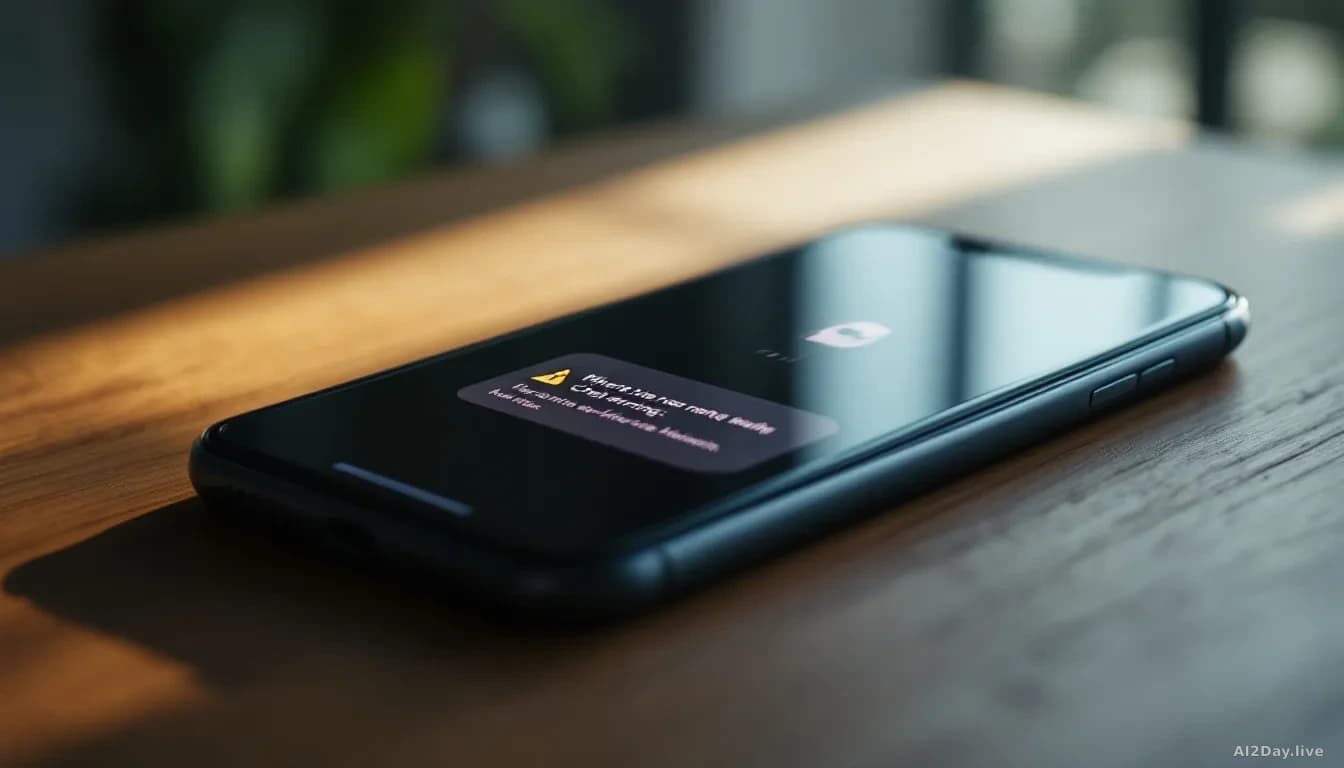
A Small Business Will Kill the Warning Light on Your Meta Smart Glasses for a Fee
Vendors selling modified Meta Ray-Ban glasses with the privacy LED disabled are easy to find online. Here is what that means if you work, shop, or perform in public.
Key points
- Hundreds of online vendors openly sell Meta Ray-Ban smart glasses modified to disable the built-in LED privacy light.
- One vendor, Ghost Metas, based in Los Angeles, confirmed a customer explicitly stated he wanted to secretly film strippers at a club.
- After the LED is disabled, bystanders have no way to tell whether the glasses are recording them.
- Meta's Ray-Ban smart glasses can capture photos, video, and audio; the blinking LED is the only visible sign they are active.
- No federal law in the United States currently bans the sale of recording devices with disabled indicator lights.
There is a small light built into Meta's Ray-Ban smart glasses, the AI-equipped eyewear that became one of the most talked-about consumer gadgets of the past two years. When the glasses take a photo, record a video, or capture audio, that light blinks. It is the only thing telling anyone nearby that a recording is happening.
Someone will disable it for you. Cheaply. And they are not hard to find.
As first reported by The Guardian, hundreds of vendors operate openly online offering to modify the glasses so the LED no longer activates. One of them, a Los Angeles-based seller who runs a service called Ghost Metas, spoke on condition of anonymity. He told a reporter that one customer was refreshingly honest about his reasons: he wanted to record women at strip clubs without being caught, and found the glasses more discreet than hiding a phone in his shirt pocket.
What exactly are these glasses?
Meta's Ray-Ban smart glasses are ordinary-looking frames fitted with cameras, microphones, and a chip that connects to Meta's AI assistant. They look almost identical to regular sunglasses. That is a large part of their appeal, and their problem.
The blinking LED is Meta's answer to the privacy question. Take it away and the glasses become a covert recording device that fits on anyone's face at a concert, a hospital ward, a school, or a locker room.
Should you be worried in public?
Yes, with caveats. The glasses are still relatively expensive and not yet everywhere. But the modification services are real, openly advertised, and reportedly well-used.
The people most at risk are those in settings where privacy expectations are highest: performers, healthcare workers, anyone in a changing room or a counselling session. The risk for most people going about daily life is lower today than the alarming framing suggests, but the direction of travel is clear.
| Factor | Detail |
|---|---|
| Device | Meta Ray-Ban smart glasses |
| Privacy feature | Blinking LED when recording |
| What vendors disable | That LED light |
| Typical customer finding | Easy online search |
| Legal status (US) | No specific federal ban |
| Vendor example | Ghost Metas, Los Angeles |
It is worth naming the survivorship bias here. The vendor quoted one genuinely alarming customer. Most buyers of modified glasses are probably curious tinkerers or people who find the blinking light annoying. That does not make the risk zero. It means we should not assume the worst about every person wearing smart glasses, while still taking the threat seriously.
What can you actually do?
Right now, you cannot reliably spot a modified pair in the wild. That is the honest answer.
What you can do: if you run a venue, a gym, a medical practice, or any space where recording would be a serious problem, post a clear no-recording policy and train staff to ask patrons to remove smart glasses or any wearable camera. Treat them the way many venues already treat phones in sensitive areas.
For lawmakers, the gap is obvious. The technology has lapped the rules.
One doable takeaway: venue owners and employers should update their recording policies now to cover wearable cameras, not just phones. Waiting for a law is waiting too long.