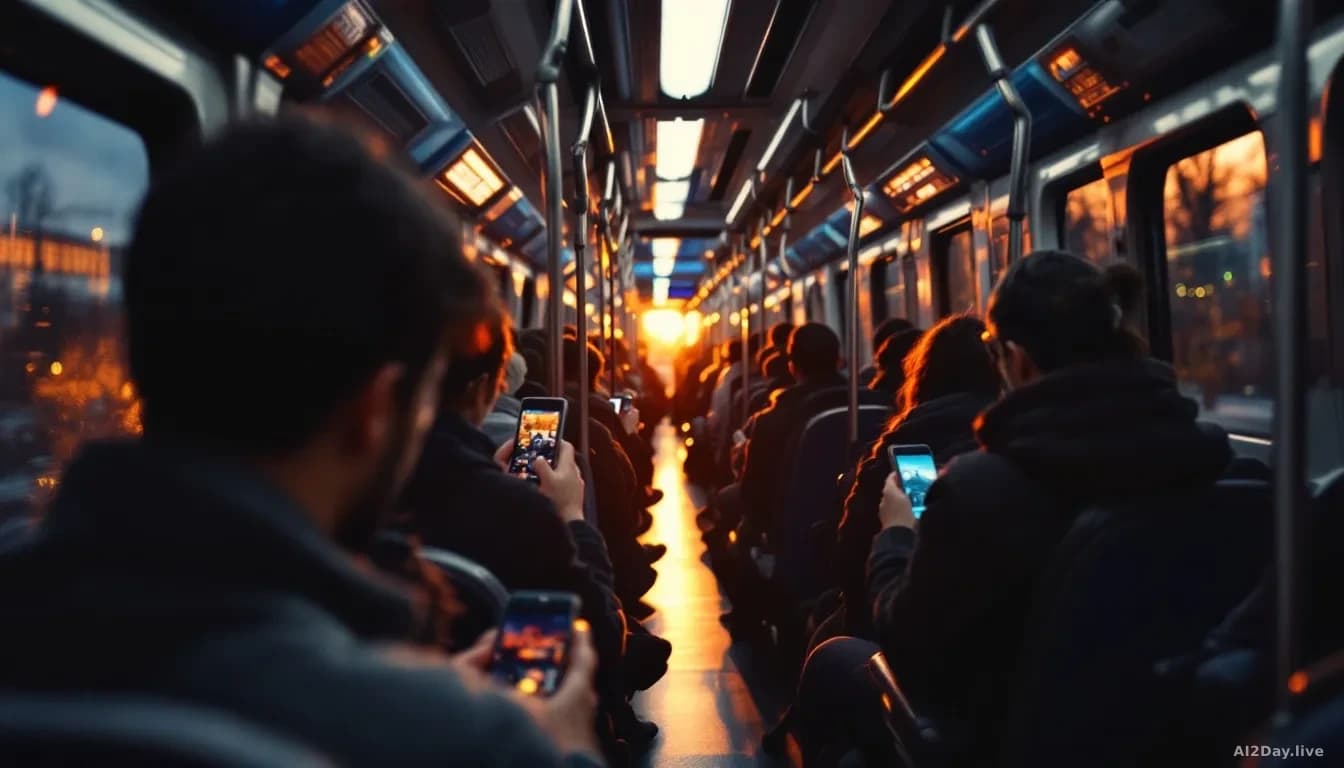
Do driverless cars make us dumber drivers? One columnist thinks yes, and he has a point
A Guardian opinion piece argues that every automation we add to the car, from automatic gearboxes to sat-nav to self-driving, quietly chips away at a human skill we never get back.

Key points
- Columnist Adrian Chiles, writing in The Guardian, argues driverless cars represent the logical, damaging end of a long trend of automotive automation.
- Automatic gearboxes, introduced decades ago, removed the need for drivers to physically feel a car's engine through the gear lever.
- Sat-nav systems let billions of people reach destinations without ever building a mental map of the route.
- Fully driverless cars, now operating commercially in parts of California and China, would remove the final layer of active human involvement in driving.
- The core worry is not safety or convenience, but cognitive cost: what happens to skills we simply stop practising?
Adrian Chiles is not worried about driverless cars crashing. He is worried about what they do to the person sitting inside.
Writing in The Guardian, Chiles traces a quiet slide that started long before anyone heard the words "autonomous vehicle." First came automatic transmission, the gearbox system that selects the right gear for you so you never have to. Your left leg and left arm, once busy coordinating clutch and gear lever to feel the engine's rhythm, became passengers before the rest of you did.
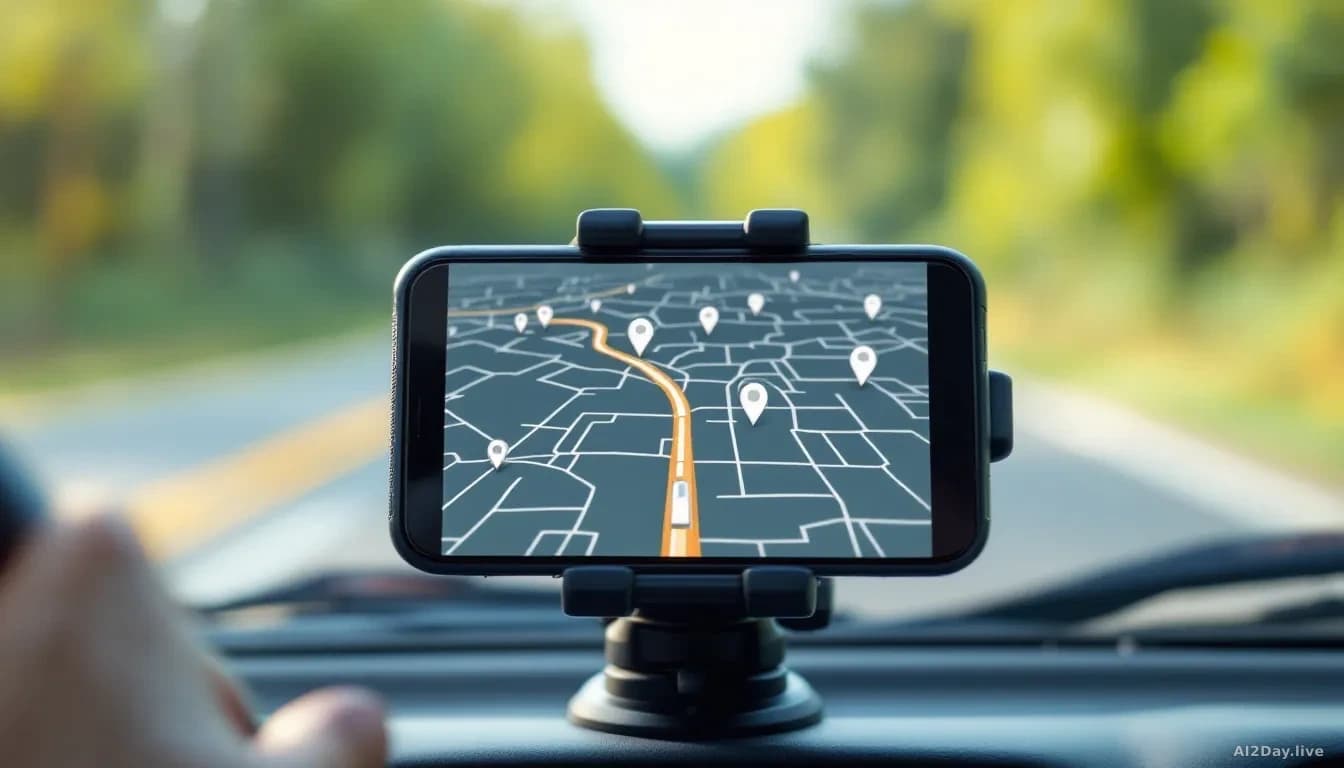
Then came sat-nav, the turn-by-turn navigation built into phones and dashboards. Before it existed, drivers built a genuine mental picture of their city: where north was, which roads connected, roughly how far. Sat-nav replaced that picture with a glowing arrow. You can now arrive somewhere you have never been, confidently, and still have no idea where it is.
So what is actually being lost?
Each automation removes a skill, and removed skills tend not to come back. A driver who learned only on an automatic gearbox cannot typically hop into a manual car and manage. A generation raised on sat-nav demonstrably struggles to navigate without it.
The worry Chiles raises is not sentimental. Cognitive scientists have a term for it: "skill fade," the measurable decline in an ability you no longer practise. Surgeons who switch to robotic-assisted tools, for instance, can lose sharpness in freehand technique over time. The same logic applies behind the wheel.
Driverless cars, vehicles that steer, accelerate and brake entirely on their own using cameras, radar, and onboard computers, are already carrying paying passengers in San Francisco and parts of China. The technology works well enough in good conditions. The automation is real.
But Chiles's question is not "does it work?" It is "what does it cost us?"
Should ordinary drivers be concerned?
Not immediately, and not in the way a road-safety warning usually lands. No one is forcing anyone into a driverless taxi tomorrow.
But the pattern he identifies is worth sitting with. Every time a new layer of automation becomes the default, the manual version quietly becomes the exception, then the quirk, then the lost art. Driving a manual gearbox is already a minority skill in many countries. Navigating by memory is already unusual.
Full self-driving would simply be the next step on a staircase that has been descending for fifty years.
Whether that is progress or loss probably depends on whether you think the skill itself had value, beyond getting you from A to B. Chiles clearly thinks it did. He may not be alone.