Australia's PM Tries to Calm State Leaders Over National AI Datacentre Law
Anthony Albanese heads into a national cabinet meeting promising that new federal controls on datacentres will work alongside state rules, not override them. Behind the scenes: power bills, planning fights, and a seven-fold rise in electricity demand.

Key points
- Australia's Prime Minister Anthony Albanese plans major AI legislation for 2025 to spread the economic benefits of artificial intelligence across the country.
- Australia's Energy Market Operator (AEMO, the body that manages the national electricity grid) forecasts datacentre power consumption will grow seven times over in coming years.
- Queensland and the Northern Territory have already pushed back against proposed federal controls on datacentre development.
- Albanese told national cabinet that new federal approval rules will complement, not override, existing state planning laws.
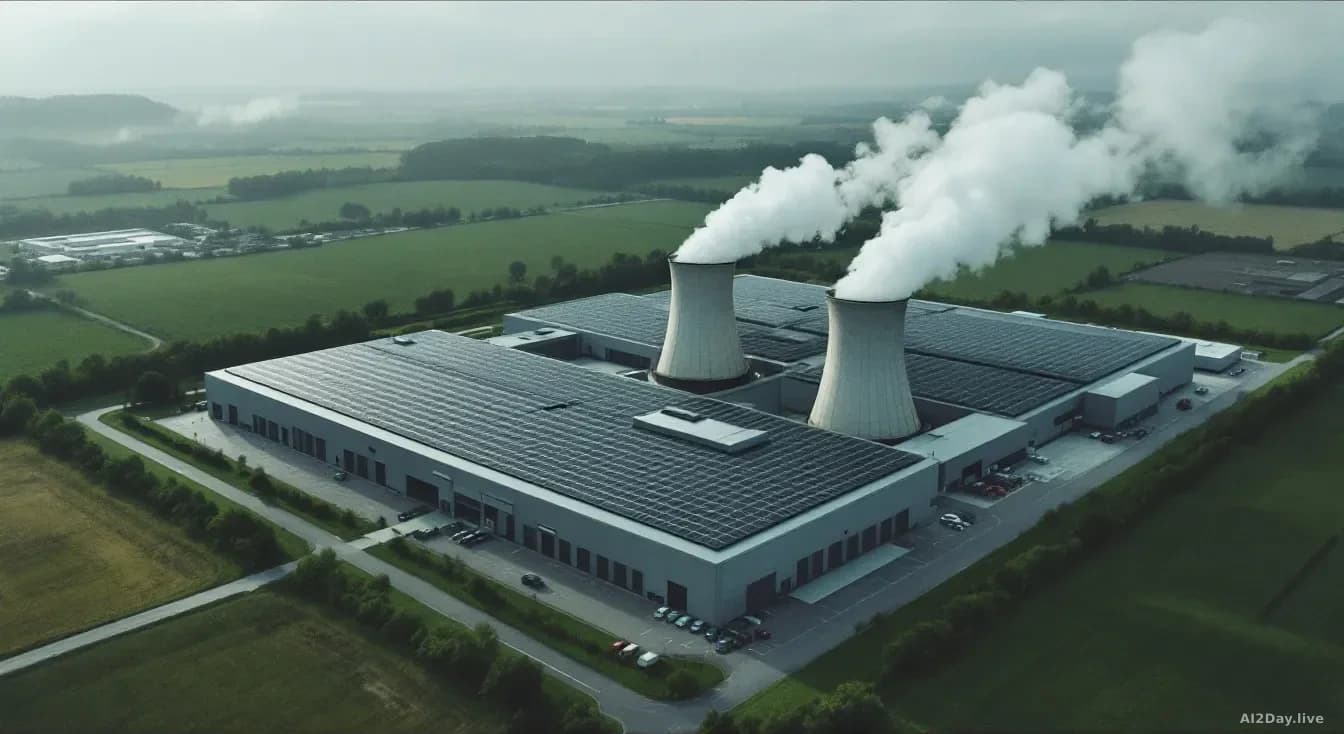
Anthony Albanese walked into Wednesday's national cabinet meeting with a problem that sounds dry on paper but hits right at home: who gets to decide where giant datacentres, the warehouse-sized buildings full of computers that power artificial intelligence, get built, and who pays the electricity bill?
The meeting brought together Australia's prime minister and all state and territory premiers. According to reporting first flagged by The Guardian, Albanese promised he would introduce significant new legislation next year to make sure the economic gains from AI are spread widely, not just concentrated in a few places.
Why are state leaders unhappy?
Conservative governments in Queensland and the Northern Territory have grown openly uneasy about federal oversight of datacentre approvals. They worry Canberra could cut across their own planning rules, slowing projects or stripping revenue.
Albanese's pitch was essentially: we will not compete, we will coordinate. New federal laws, he said, are designed to sit alongside state rules, filling gaps rather than taking over.
What does this have to do with power?
A lot. AEMO, the body that keeps the national electricity grid running, projects that datacentres will use seven times as much power in the near future as they do today. That is a significant strain on a grid already under pressure from the shift away from coal.
Datacentres run around the clock. They need cooling, backup power, and stable supply. One large facility can use as much electricity as a small city.
For ordinary households, the concern is straightforward: more demand on the grid can push prices up and complicate Australia's clean energy transition. Getting the rules right early matters.
What happens next?
Albanese has flagged legislation for next year, though no bill text is public yet and nothing has passed. The national cabinet meeting is a forum for negotiation, not a law-making body, so states still hold real power here.
Watch for whether Queensland and the Northern Territory soften their stance after Wednesday's talks. If they stay resistant, the federal government's path to any national framework gets significantly harder.
Common questions
What is a datacentre, exactly?
A datacentre is a large building packed with computer servers, the machines that store data and run software, including the AI tools people use every day. Companies like banks, streaming services, and AI developers all rely on them.
Does this affect me if I'm not in tech?
Potentially yes. Datacentres drive up local electricity demand, affect where jobs and investment go, and shape how quickly AI services reach regional areas. The planning rules being debated now will influence all of that.